

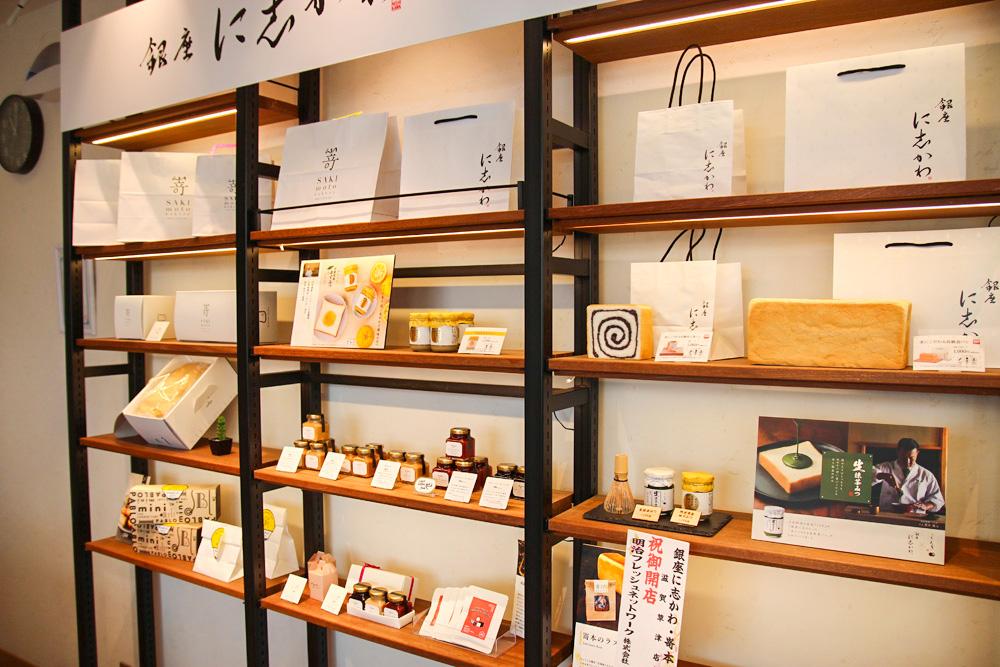
Japanese bakery innovation is transforming the global dessert industry through mochi, fusion pastries, and artisan baking trends during 2026.
Bakeries across Asia, Europe, and North America are expanding Japanese-inspired dessert menus as consumer demand accelerates.
Industry experts believe texture-based desserts and authentic bakery experiences are driving the latest global food movement.
Tokyo, Japan (Parliament Politics Magazine) Japanese bakery innovation is rapidly influencing the international dessert industry as mochi-inspired pastries, artisan baking concepts, and fusion sweets continue gaining popularity across global markets during 2026.
From boutique bakeries in Tokyo to specialty dessert shops in Europe and North America, Japanese-inspired products are increasingly becoming part of mainstream food culture. Industry analysts say the growth reflects changing consumer preferences toward lighter desserts, unique textures, and visually engaging culinary experiences.
The rise of modern Japanese baking techniques has created strong demand for products blending traditional recipes with contemporary presentation and global flavor profiles.
One food consultant stated,
“Consumers are increasingly attracted to bakery products that combine craftsmanship, cultural authenticity, and social media appeal.”
Mochi Products Continue Expanding Internationally
The rapid growth of Japanese bakery innovation is closely tied to the worldwide popularity of mochi-based desserts and rice flour pastries.
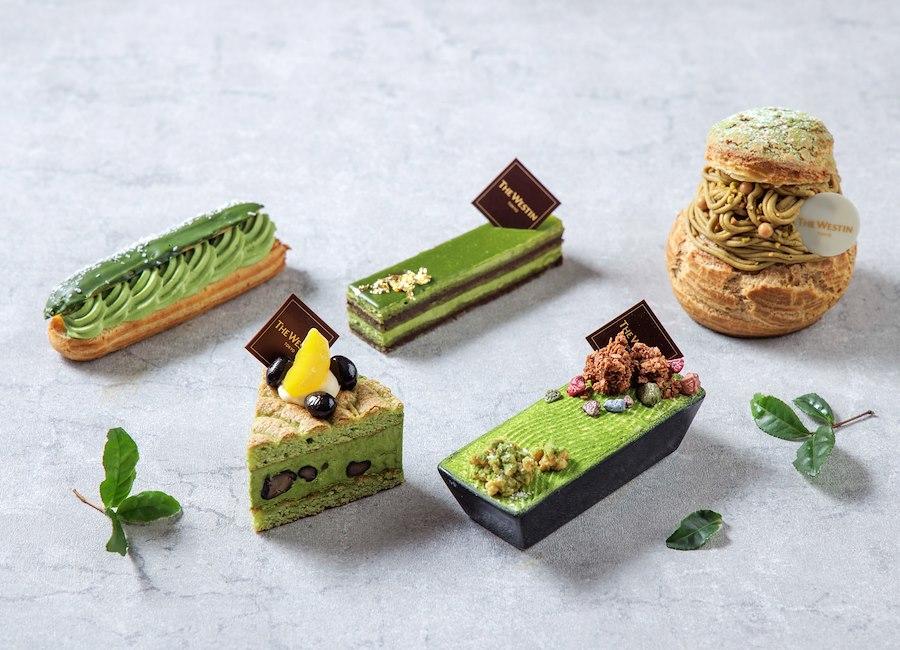
Traditional Japanese sweets once limited to specialty cultural markets are now appearing in grocery stores, cafes, and bakery chains worldwide. Mochi donuts, cream-filled rice cakes, matcha pastries, and mochi ice cream products are among the fastest-growing dessert categories attracting younger consumers.
Bakery owners say customers increasingly seek desserts offering lighter textures and more visually distinctive presentation than conventional cakes or pastries.
The expanding dessert movement has encouraged bakeries to experiment with:
- Matcha cream pastries
- Strawberry mochi desserts
- Mochi croissants
- Japanese cheesecakes
- Rice flour bakery products
- Asian-inspired artisan breads
Industry observers believe these products appeal strongly to consumers searching for premium handcrafted experiences.
Social Media Accelerates Bakery Trends
The growing influence of short-form video platforms and food photography has significantly accelerated the visibility of Japanese bakery innovation worldwide.
Videos featuring handcrafted pastries, chewy mochi textures, and colorful dessert preparation methods routinely attract millions of online views. Bakery owners increasingly design products intended not only for taste but also for visual engagement across digital platforms.
Food marketers say social media has become one of the most powerful drivers of modern dessert trends because visually unique products spread rapidly online.
One bakery strategist explained,
“Customers now discover bakery products through social media before ever visiting a physical store.”
The combination of cultural storytelling and visually appealing presentation has helped Japanese-inspired bakery concepts stand out in crowded food markets.Younger Consumers Drive Demand for Artisan Baking
The rise of Japanese bakery innovation also reflects shifting consumer attitudes toward artisan food experiences and specialty desserts.
Younger demographics increasingly prioritize:
- Handcrafted food preparation
- Authentic cultural recipes
- Premium ingredients
- Limited-edition products
- Personalized culinary experiences
Bakery operators say customers are often willing to pay higher prices for specialty products perceived as unique, authentic, or visually memorable.
The trend has helped independent bakeries compete more effectively against large commercial chains by focusing on craftsmanship and product originality.
Industry analysts believe premium bakery concepts may continue growing as consumers increasingly seek experiential dining and specialty food purchases.
History of Japanese Baking Traditions
The development of Japanese bakery innovation has roots in both traditional Japanese culinary culture and international baking influences introduced over many decades.
Japanese bakeries historically adapted European bread-making techniques while incorporating local ingredients and flavor preferences. Over time, this created a unique bakery culture combining soft breads, delicate pastries, rice flour products, and visually refined desserts.
Traditional Japanese sweets such as mochi and wagashi remained culturally significant for generations before newer bakery entrepreneurs began modernizing them for global audiences.
Food historians note that Japanese bakery culture became particularly influential because it balanced artistic presentation with careful ingredient preparation and texture-focused recipes.
Today’s bakery trends continue building upon those traditions while introducing contemporary flavors and modern branding strategies.
International Retailers Embrace Japanese-Inspired Desserts
Retailers and food chains worldwide are increasingly investing in Japanese-inspired bakery concepts as demand continues growing across multiple markets.
The expanding popularity of Japanese bakery innovation has encouraged supermarkets, cafes, and dessert franchises to introduce:
- Matcha desserts
- Japanese-style cheesecakes
- Mochi snack products
- Fusion pastry menus
- Asian-inspired bakery sections
Retail analysts believe texture-focused desserts represent one of the fastest-growing categories in premium food retail during 2026.
Many businesses now view Japanese bakery trends as long-term opportunities rather than temporary food fads.
A culinary researcher stated,
“Japanese bakery products succeed because they deliver both visual elegance and distinctive eating experiences.”
Independent Bakeries Benefit From Global Interest
Independent bakery owners are among the biggest beneficiaries of the rising popularity surrounding Japanese bakery innovation.
Small businesses specializing in handcrafted pastries and mochi desserts have gained visibility through online ordering platforms, food influencers, and digital marketing campaigns.
Industry observers say the bakery sector increasingly rewards authenticity and originality over mass-produced products.
Consumers continue seeking bakery experiences connected to craftsmanship, family traditions, and cultural storytelling.
The growing demand has also increased opportunities for:
- Specialty bakery franchises
- Food delivery partnerships
- Frozen dessert distribution
- International bakery collaborations
Analysts believe Japanese-inspired dessert concepts may continue expanding throughout urban food markets over the next several years.
Bakery Industry Faces Growing Competition
Despite strong growth, the bakery sector also faces rising competition as more businesses attempt to capitalize on Asian-inspired dessert demand.
The expansion of Japanese bakery innovation has encouraged rapid product launches across multiple food categories. However, some analysts warn that oversaturation could create challenges for businesses lacking originality or authentic product quality.
Industry experts believe long-term success will depend on:
- Product consistency
- Ingredient quality
- Brand identity
- Authentic presentation
- Customer experience
As global food trends evolve, bakery operators may need to continually innovate to maintain customer attention.
The continued rise of Japanese bakery innovation demonstrates how cultural foods, artisan craftsmanship, and social media visibility are reshaping global dessert markets during 2026.
From mochi pastries to fusion desserts, Japanese-inspired bakery products have become increasingly influential across international food industries.
Consumers worldwide continue embracing visually engaging, texture-focused desserts that combine authenticity with modern culinary creativity.
As bakery entrepreneurs expand these concepts into mainstream retail environments, Japanese-inspired baking may remain one of the strongest global dessert trends for years to come.
Japanese Bakery Innovation Market Trends 2026
- Industry: Bakery & Dessert Retail
- Trend Focus: Japanese-inspired artisan desserts
- Location: Tokyo, Japan
- Publication Year: 2026
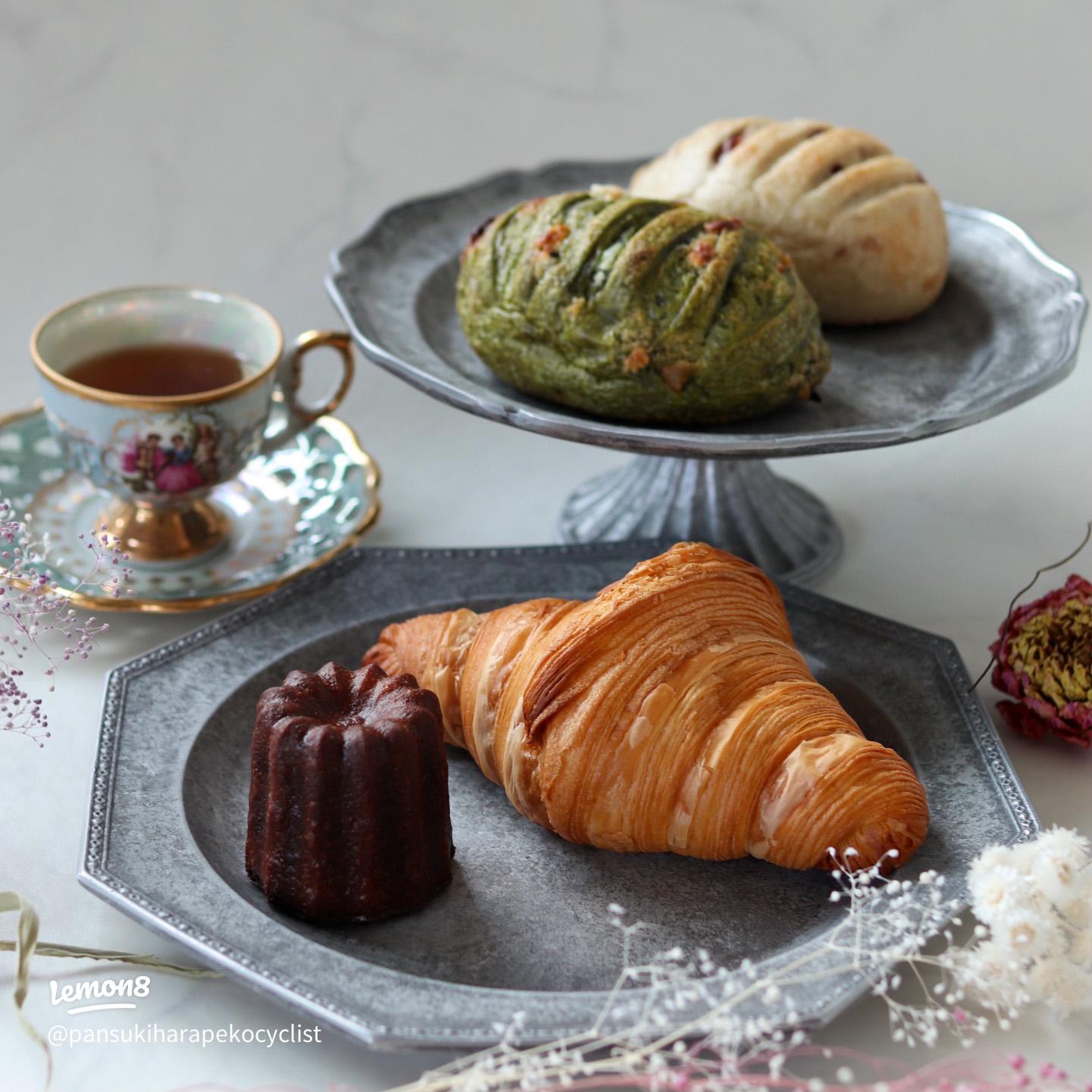
- Popular Products: Mochi donuts, matcha pastries, Japanese cheesecake
- Growth Driver: Social media food trends
- Consumer Preference: Texture-focused desserts
- Business Trend: Artisan bakery expansion
- Market Outlook: Strong global demand growth
- Cultural Influence: Traditional Japanese sweets and baking methods