

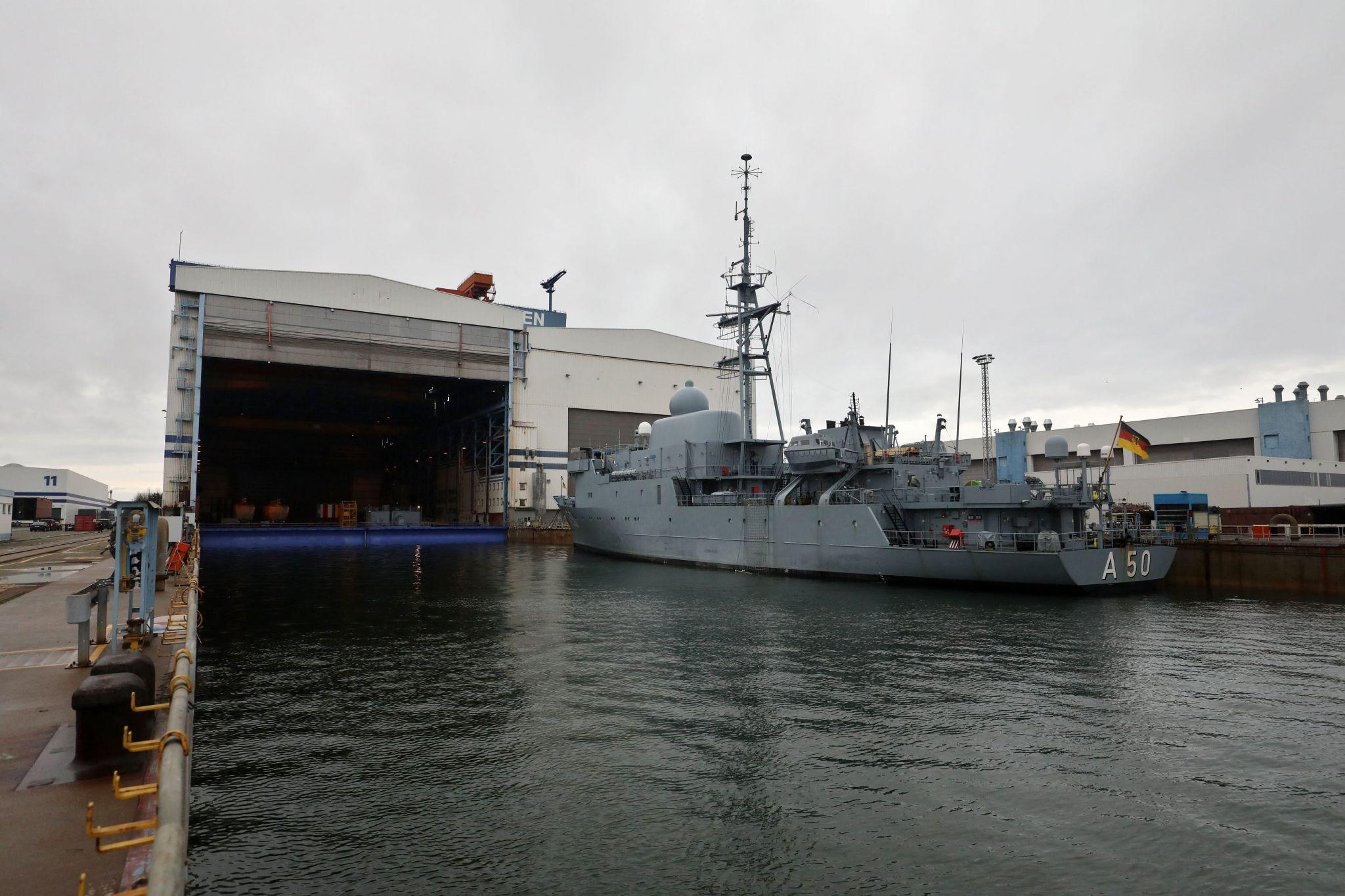
Germany’s defense industry is facing growing tensions after TKMS challenged Rheinmetall’s planned expansion into naval shipbuilding.
The dispute over GNYK highlights rising concerns about Europe’s military production capacity and workforce shortages.
Industry leaders warn that financial investment alone may not solve long-term naval manufacturing challenges in 2026.
KIEL, Germany (Parliament Politics Magazine) Germany defense industry leaders are facing growing tensions after Thyssenkrupp Marine Systems (TKMS) publicly challenged Rheinmetall’s ambitions to expand deeper into naval shipbuilding through a potential acquisition of German Naval Yards Kiel (GNYK). The dispute has quickly become one of the most discussed developments inside Europe’s military manufacturing sector as governments continue increasing defense spending amid global instability.
The latest comments from TKMS leadership highlighted deeper concerns about whether Europe can rapidly rebuild its naval industrial capacity despite billions in new military investments.
“Money alone does not build ships,” said TKMS CEO Oliver Burkhard during discussions surrounding Rheinmetall’s interest in GNYK. The statement immediately gained attention across the Germany defense industry because it reflected growing fears that financial investment alone cannot solve labor shortages, engineering limitations, and production bottlenecks.
Germany Defense Industry
- Location: Kiel, Germany
- Date: May 11, 2026
- Main Companies: TKMS, Rheinmetall, GNYK
- Sector: Naval Defense Manufacturing
- Core Issue: Shipyard acquisition tensions
- Strategic Concern: Skilled labor shortages
- European Impact: NATO naval expansion pressure
- Industry Focus: Military shipbuilding capacity
- Key Quote: “Money alone does not build ships.”
- Market Trend: Rising European defense spending
Rheinmetall Expands Beyond Traditional Weapons Manufacturing
Rheinmetall has become one of Europe’s fastest-growing military companies during the past several years. The company traditionally focused on armored vehicles, ammunition systems, and battlefield technology, but it is now aggressively exploring naval opportunities as European governments prioritize maritime defense.
The possible acquisition of German Naval Yards Kiel would significantly strengthen Rheinmetall’s role inside the Germany defense industry while expanding its long-term influence over naval production.
Industry analysts believe the company wants to position itself ahead of expected military contracts linked to NATO naval modernization programs.
“Europe is entering a period where industrial defense capacity will define strategic strength,”
one European defense analyst said.
“Companies capable of scaling quickly will have enormous influence over future military planning.”
TKMS Warns Naval Production Requires Specialized Skills
Thyssenkrupp Marine Systems remains one of Europe’s most experienced submarine and naval system manufacturers. The company has spent decades developing highly specialized engineering capabilities that many executives believe cannot be replicated quickly.
The Germany defense industry has struggled with workforce shortages for years, especially in heavy industrial sectors like shipbuilding. Skilled welders, marine engineers, propulsion experts, and cybersecurity specialists remain in limited supply across Europe.
TKMS leadership warned that simply acquiring shipyards may not immediately solve production limitations.
“Shipbuilding is not just about facilities or capital,”
another industry executive said during discussions surrounding the growing dispute.
“It requires decades of technical knowledge, supplier coordination, and workforce development.”
The comments highlighted broader fears that Europe’s defense expansion goals could face delays if governments underestimate industrial complexity.
History of Germany’s Naval Manufacturing Sector
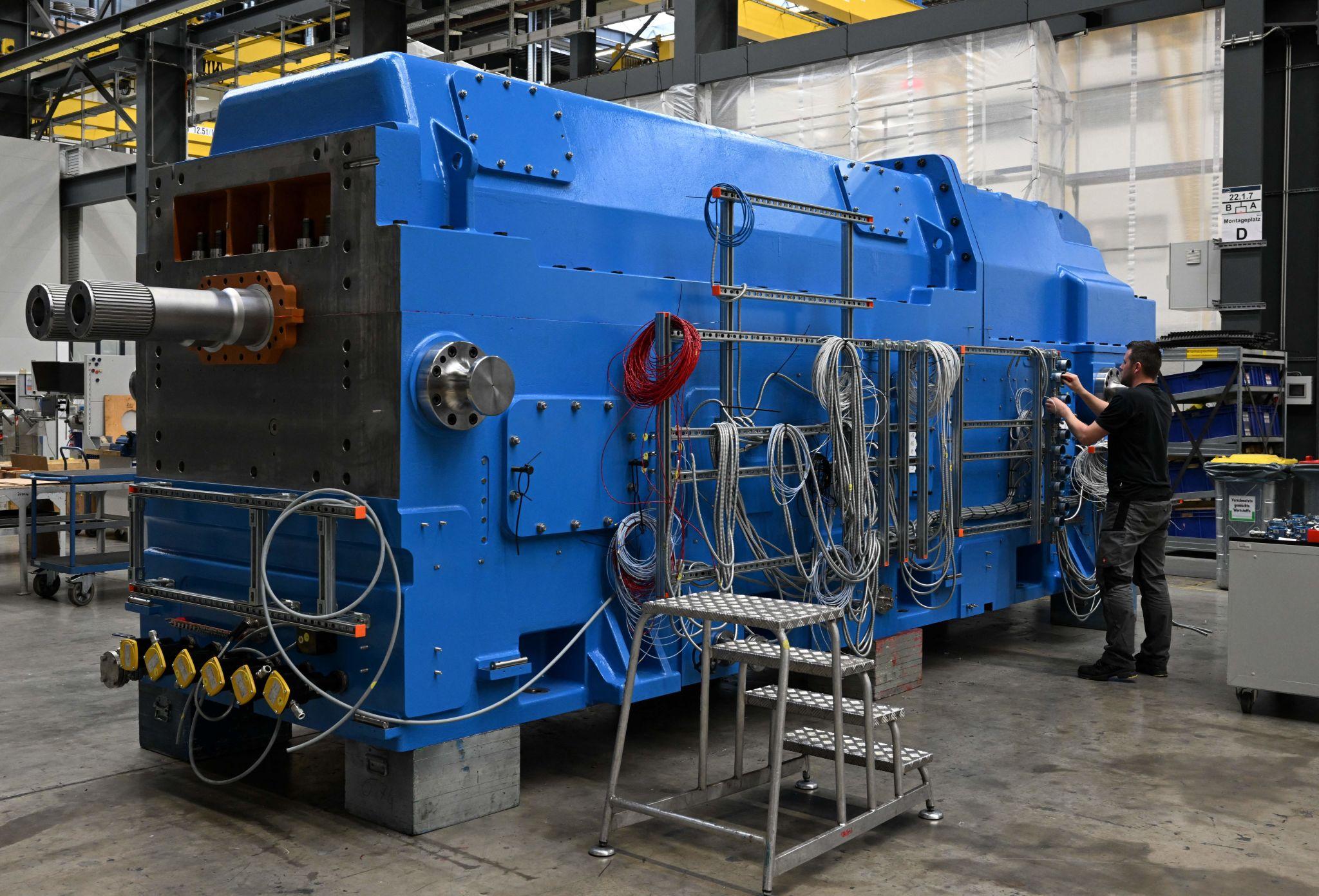
Germany has maintained a long maritime manufacturing tradition dating back more than a century. Shipyards in Kiel became internationally recognized for naval engineering expertise during both the industrial expansion era and modern European rebuilding efforts after World War II.
Over time, the Germany defense industry evolved into one of Europe’s most advanced military manufacturing sectors, especially in submarine technology and precision engineering.
However, globalization, budget reductions, and outsourcing pressures weakened several shipbuilding operations during the past two decades. Many European governments reduced naval investment following the Cold War, leaving parts of the industry vulnerable to workforce losses and reduced infrastructure development.
The current wave of geopolitical instability has now forced Europe to rapidly reconsider military production capacity.
Europe’s Defense Spending Boom Reshapes Competition
The Germany defense industry is benefiting from one of the largest increases in European military spending in decades. NATO members continue expanding defense budgets following rising geopolitical tensions involving Eastern Europe, Middle East instability, and concerns about maritime trade security.
Naval defense has become particularly important because European governments increasingly view shipping routes, underwater communication cables, and energy transport corridors as strategic assets requiring stronger protection.
As a result, competition between major defense contractors has intensified.
Rheinmetall’s possible expansion into shipbuilding reflects broader consolidation efforts taking place throughout Europe’s defense sector. Companies are racing to secure industrial assets capable of supporting future military demand.
Still, analysts caution that scaling naval production remains difficult due to long construction timelines and complex engineering requirements.
GNYK Holds Strategic Importance for Future Expansion
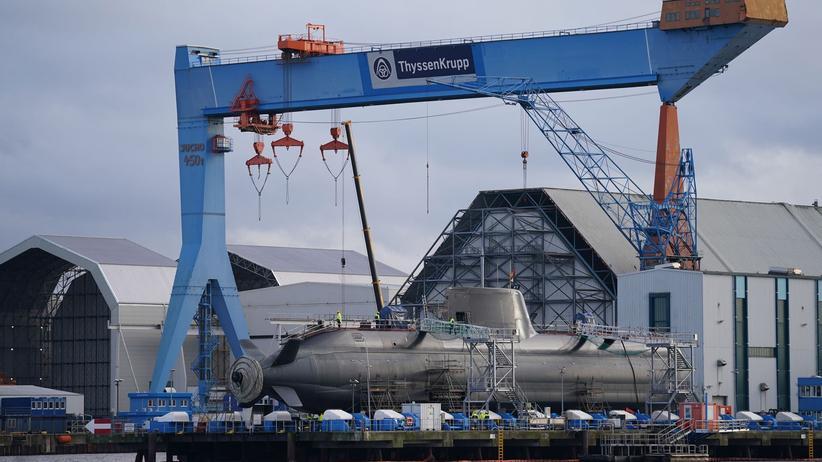
Located in Kiel, German Naval Yards Kiel occupies an important position within the Germany defense industry despite operational and financial challenges in recent years.
Its infrastructure, location, and access to maritime supply chains make the shipyard strategically valuable for any company seeking naval expansion.
Germany’s growing focus on maritime defense has increased the importance of facilities capable of building or supporting military vessels.
“The future of European security will heavily depend on industrial readiness,”
another defense consultant stated.
“Shipyards are becoming strategic assets again.”
The comments reflect how geopolitical uncertainty is reshaping industrial priorities throughout Europe.
Investors Closely Watch Defense Sector Rivalries
Financial markets have closely monitored developments involving TKMS and Rheinmetall because the Germany defense industry has become one of Europe’s strongest-performing sectors during the current geopolitical climate.
Investors continue pouring capital into military manufacturers as governments sign larger procurement agreements.
However, naval shipbuilding carries unique risks compared to other defense industries. Warship projects often involve long timelines, technical complications, and cost overruns.
Some investors view acquisitions like GNYK as opportunities for long-term growth, while others remain cautious about integration challenges.
The growing disagreement between TKMS and Rheinmetall therefore represents more than a business dispute. It reflects larger questions about how Europe plans to rebuild military manufacturing capacity during an increasingly unstable global environment.
Europe Faces Industrial Pressure Beyond Military Spending
The Germany defense industry now stands at the center of Europe’s broader strategic planning. Political leaders increasingly recognize that defense budgets alone may not guarantee military readiness if industrial capacity cannot keep pace.
Workforce shortages, aging infrastructure, and supplier limitations continue challenging manufacturers across the continent.
The latest controversy surrounding GNYK highlights how rapidly Europe’s defense landscape is changing during 2026.
As governments push for stronger military readiness, defense companies are competing not only for contracts but also for control over strategic industrial assets capable of supporting long-term production goals.
Germany Defense Industry Outlook and Key Takeaway
The Germany defense industry is experiencing a major transformation as Rheinmetall seeks deeper naval expansion while TKMS warns that shipbuilding expertise cannot be built through investment alone. The growing dispute surrounding GNYK reflects wider European concerns about defense readiness, workforce shortages, and industrial modernization during a period of rising geopolitical uncertainty.