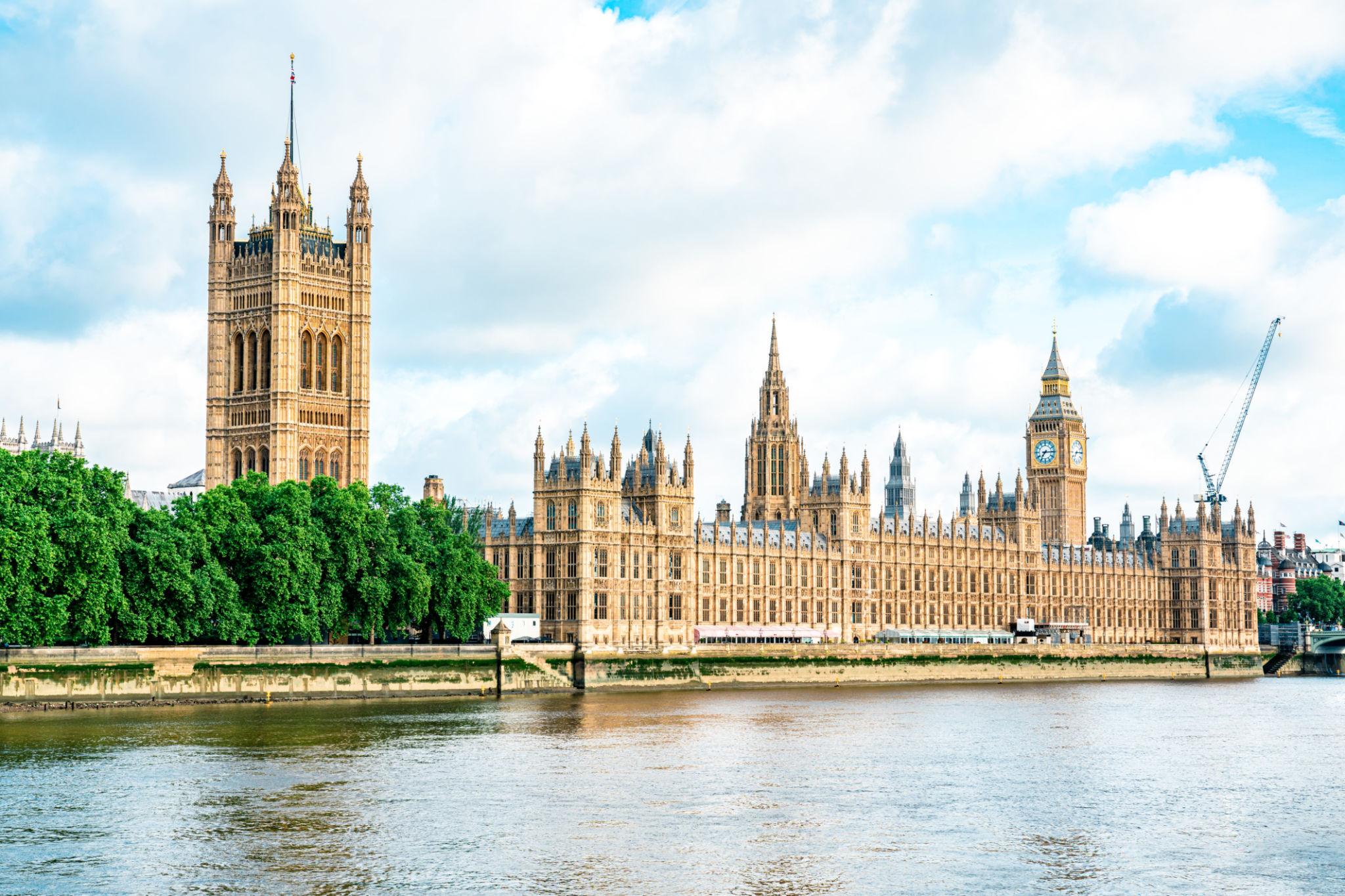
Labour Party tensions intensified in London after a senior MP withdrew from a leadership challenge while still urging Keir Starmer to step down by September.
The political dispute has increased pressure on the prime minister amid concerns over polling and party unity.
Analysts say the controversy could shape the direction of British politics heading into late 2026.
LONDON, United Kingdom (Parliament Politics Magazine) UK Parliament news dominated British political headlines after a Labour MP abandoned plans for a direct leadership challenge while still publicly demanding Prime Minister Keir Starmer leave office by September. The development intensified pressure within Westminster and exposed widening divisions inside the governing Labour Party.
The announcement came during a period of growing political frustration among some Labour members who believe the government has struggled to maintain voter enthusiasm and political momentum. While the formal challenge was withdrawn, calls for leadership change have continued to fuel debate across Parliament and the British media landscape.
Political analysts say the decision highlights the fragile balance Labour leaders now face between maintaining stability and addressing internal dissatisfaction.
“This is no longer just internal frustration,”
one political commentator said.
“It has become a visible debate about the future direction of the government.”
The latest UK Parliament news also triggered renewed scrutiny over Labour’s electoral strategy, economic messaging, and long-term leadership plans heading into the second half of 2026.
| Category | Details |
|---|---|
| Country | United Kingdom |
| Political Party | Labour Party |
| Prime Minister | Keir Starmer |
| Main Issue | Leadership pressure |
| Timeline Mentioned | September 2026 |
| Political Focus | Party unity and voter confidence |
| Location | Westminster, London |
| Key Topic | Labour internal divisions |
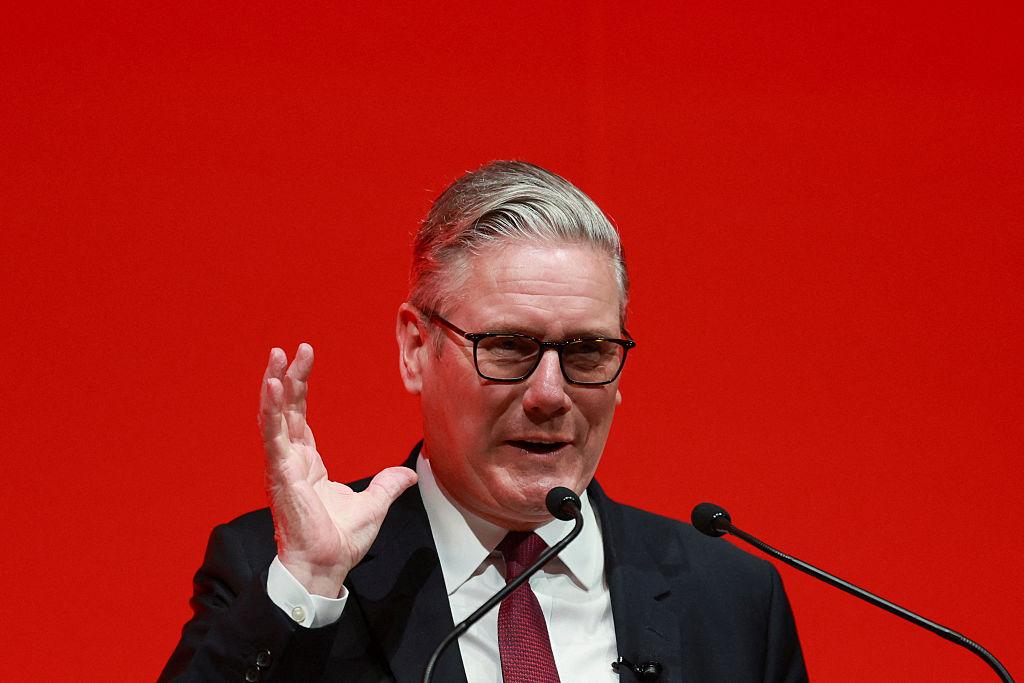
Westminster Debate Intensifies Over Labour Leadership
The latest UK Parliament news quickly became one of the most discussed political stories inside Westminster. Even though the leadership challenge was abandoned, the public request for Starmer to resign by September significantly increased speculation about the government’s internal stability.
Several Labour MPs reportedly remain concerned about declining enthusiasm among portions of the electorate. Rising economic pressures, public spending debates, immigration issues, and national infrastructure concerns have continued shaping political discussion across Britain.
Supporters of Starmer argue leadership instability could weaken Labour’s ability to govern effectively during a challenging economic period. Critics inside the party, however, believe a leadership reset may eventually become necessary to rebuild confidence.
The controversy has created a difficult environment for Labour ministers attempting to focus public attention on policy initiatives rather than internal disagreements.
“Political unity matters during uncertain economic conditions,”
a Westminster observer stated.
“Voters often punish governments that appear distracted by internal conflict.”
The growing leadership debate has therefore become a major component of ongoing UK Parliament news coverage across the United Kingdom.
Keir Starmer Faces Questions Over Political Direction
Prime Minister Keir Starmer continues facing mounting political scrutiny as debate intensifies about Labour’s future strategy. While no formal leadership contest currently exists, public discussion surrounding his position has created continuing uncertainty.
Some Labour members reportedly believe the government’s messaging has become overly cautious and lacks a strong political identity capable of energizing voters nationwide. Others argue the party needs continuity and discipline rather than another disruptive leadership transition.
The internal debate reflects broader ideological divisions within Labour regarding economic policy, taxation, immigration, public services, and the role of government in addressing Britain’s long-term challenges.
Recent UK Parliament news coverage has focused heavily on whether Labour can restore stronger party unity before autumn parliamentary sessions begin.
Analysts warn that prolonged leadership speculation can often become politically damaging regardless of whether an actual leadership contest materializes.
Opposition Parties Monitor Labour Instability
Britain’s opposition parties have closely monitored the Labour leadership controversy as they attempt to capitalize on signs of government instability.
Conservative politicians criticized Labour for appearing increasingly distracted by internal political tensions instead of focusing on national priorities. Smaller political parties also argued that public trust in Westminster institutions weakens whenever governing parties become consumed by leadership disputes.
Meanwhile, Labour officials attempted to downplay speculation by emphasizing that the government remains focused on economic growth, public investment, and national security priorities.
Still, the latest UK Parliament news has reinforced perceptions that Labour faces growing internal pressure at a politically sensitive moment.
“Leadership uncertainty creates vulnerability,”
another political analyst explained.
“Even rumors of instability can reshape voter perceptions.”
History of Labour Leadership Challenges in Modern British Politics
Labour leadership tensions are not new within British politics. Over several decades, the party has repeatedly experienced periods of internal disagreement tied to electoral strategy, ideological identity, and public approval ratings.
From leadership battles during the late twentieth century to more recent disputes over Brexit and economic policy, Labour has frequently struggled to balance competing political factions. Historically, leadership contests inside the party have often emerged during periods of declining public support or major national political transitions.
Political historians note that Labour’s internal divisions have sometimes weakened electoral performance while also occasionally producing significant ideological shifts.
The current UK Parliament news surrounding Keir Starmer therefore reflects a broader historical pattern of leadership debates shaping the future direction of the Labour Party.
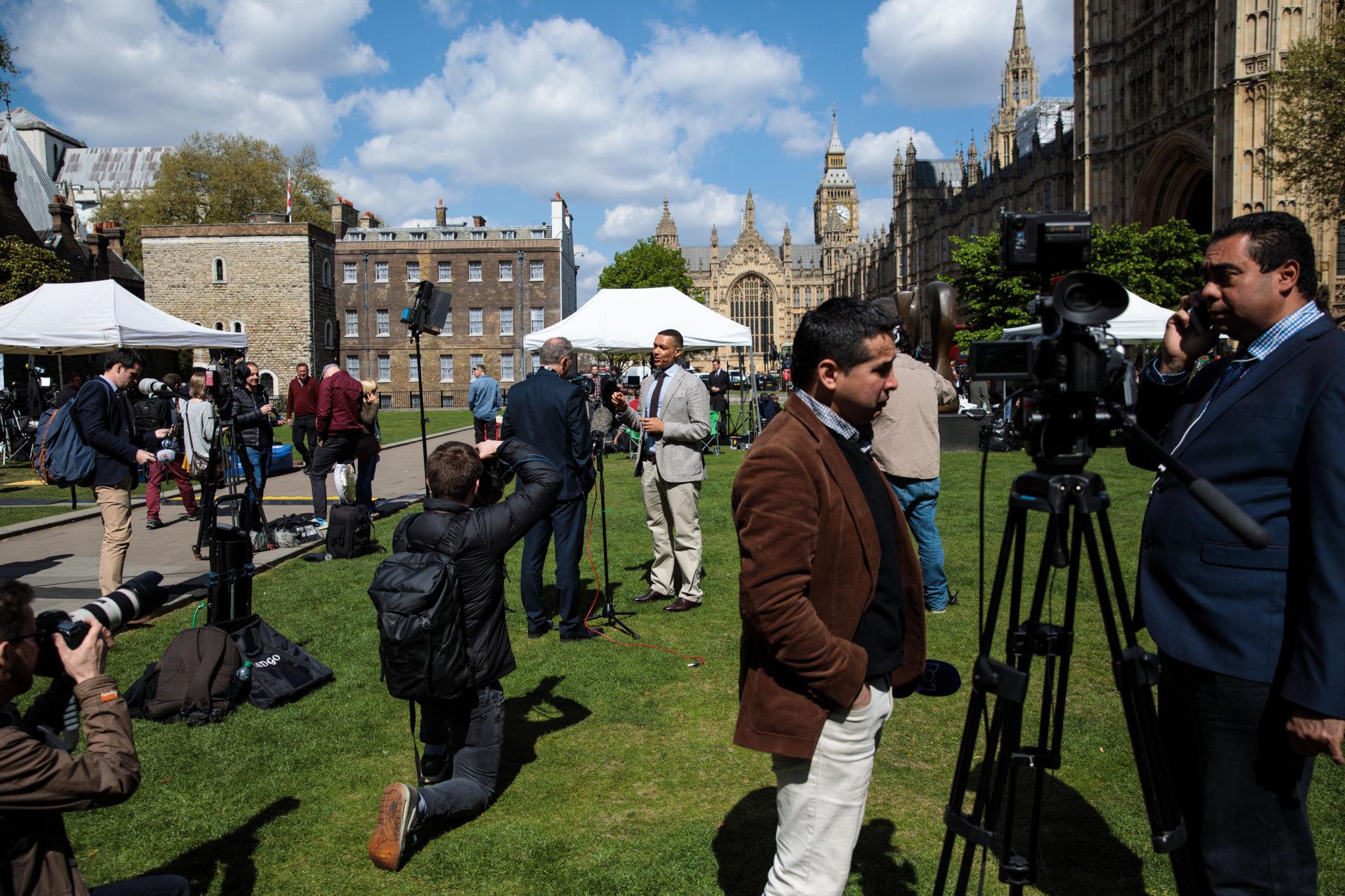
Economic Concerns Continue Shaping Political Pressure
Economic conditions remain one of the largest factors driving political frustration inside Westminster. British households continue facing concerns surrounding inflation, housing affordability, energy costs, and public service funding.
Some Labour MPs reportedly fear the government has not communicated a sufficiently aggressive economic strategy capable of reassuring voters facing financial pressure.
The debate surrounding leadership therefore extends beyond personalities and increasingly centers on economic credibility and public trust.
Business leaders and investors are also closely watching developments inside Parliament because political instability can affect market confidence and long-term investment decisions.
Recent UK Parliament news coverage has highlighted growing concerns about whether continued political divisions could overshadow important economic policy debates later this year.
September Timeline Creates Political Countdown
The demand for Starmer to resign by September has effectively established an unofficial political deadline that may dominate Westminster discussions throughout the summer.
Political strategists believe the timing could influence party conference planning, legislative priorities, and internal Labour negotiations over future political direction.
Some analysts expect Labour leadership to attempt restoring stability through cabinet adjustments, messaging changes, or policy announcements designed to rebuild party confidence.
Others warn that further public criticism from Labour MPs could deepen divisions if polling numbers weaken during the coming months.
The unfolding UK Parliament news story may therefore continue evolving into one of Britain’s defining political narratives of 2026.
Public Trust Becomes Central Political Issue
Public confidence now sits at the center of the broader political debate surrounding Labour’s future. Voters often view leadership disputes as signs of governmental weakness, particularly during periods of economic uncertainty.
Political experts say Labour’s ability to project competence and stability over the coming months may significantly influence future election prospects.
At the same time, some Labour members argue internal accountability remains necessary to preserve credibility and address growing voter concerns before political dissatisfaction deepens further.
The situation highlights how modern British politics increasingly depends not only on policy decisions but also on perceptions of leadership strength and party discipline.
The latest UK Parliament news has therefore become both a political and public relations challenge for the Labour government.
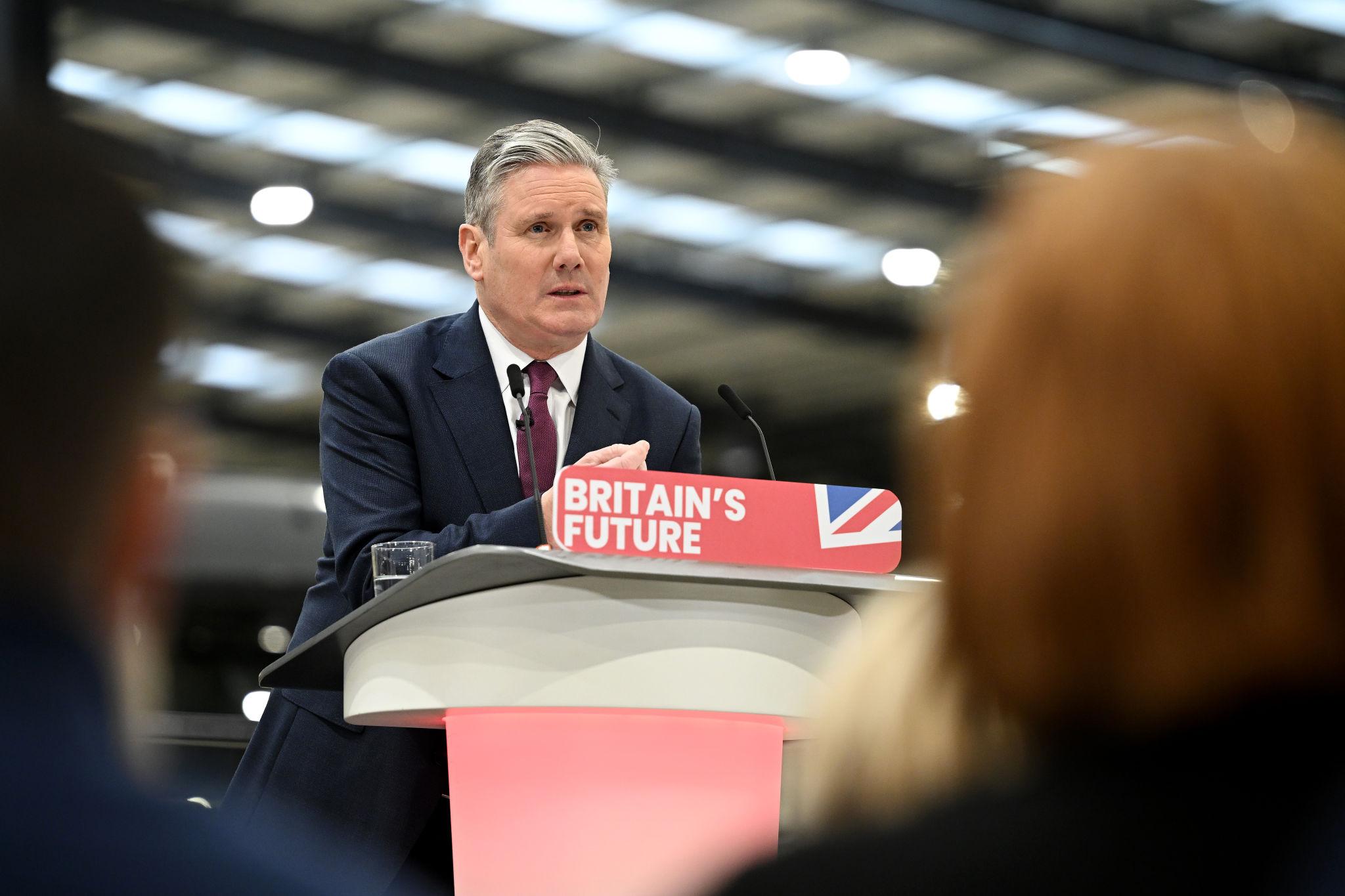
Labour’s internal divisions have moved firmly into public view following renewed calls for Keir Starmer to resign by September despite the withdrawal of a direct leadership challenge. The controversy has intensified political pressure inside Westminster and raised broader questions about the future direction of Britain’s governing party.
As Labour attempts to balance governance responsibilities with growing internal frustration, the coming months may determine whether the government can restore unity and political momentum before further instability emerges.
For now, the latest UK Parliament news reflects a government navigating one of its most politically sensitive moments of 2026.