
UK currency pressure intensified after sterling weakened amid growing political uncertainty and investor concerns across Britain.
Financial markets in London are closely watching government stability, inflation trends, and economic policy developments in 2026.
Analysts warn prolonged uncertainty could place additional strain on the British pound and investor confidence.
LONDON, United Kingdom (Parliament Politics Magazine) UK currency pressure continued building across financial markets as the British pound weakened amid rising political uncertainty, economic concerns, and cautious investor sentiment surrounding the future direction of the Labour government. Currency traders and financial analysts are closely monitoring developments inside Westminster as sterling faces renewed volatility during a sensitive period for Britain’s economy.
The growing UK currency pressure situation reflects mounting anxiety among investors regarding leadership stability, inflation risks, government spending priorities, and slowing economic growth forecasts. Financial experts say recent political developments involving Prime Minister Keir Starmer have added additional uncertainty to already fragile market conditions.
Market analysts noted that global investors remain highly sensitive to political instability in Britain because London continues serving as one of the world’s most important financial centers.
“Currency markets react quickly when political confidence weakens,”
one London-based financial strategist said.
“Investors want stability, predictability, and clear economic direction.”
| Category | Current Situation |
|---|---|
| Main Issue | Sterling weakness and market volatility |
| Focus Topic | Political uncertainty and economic pressure |
| Currency Impact | British pound under investor scrutiny |
| Government Concern | Leadership stability and economic confidence |
| Key Financial Hub | London |
| Market Sentiment | Cautious and volatile |
| Major Risk | Long-term investor uncertainty |
| Global Attention | International markets monitoring Britain closely |
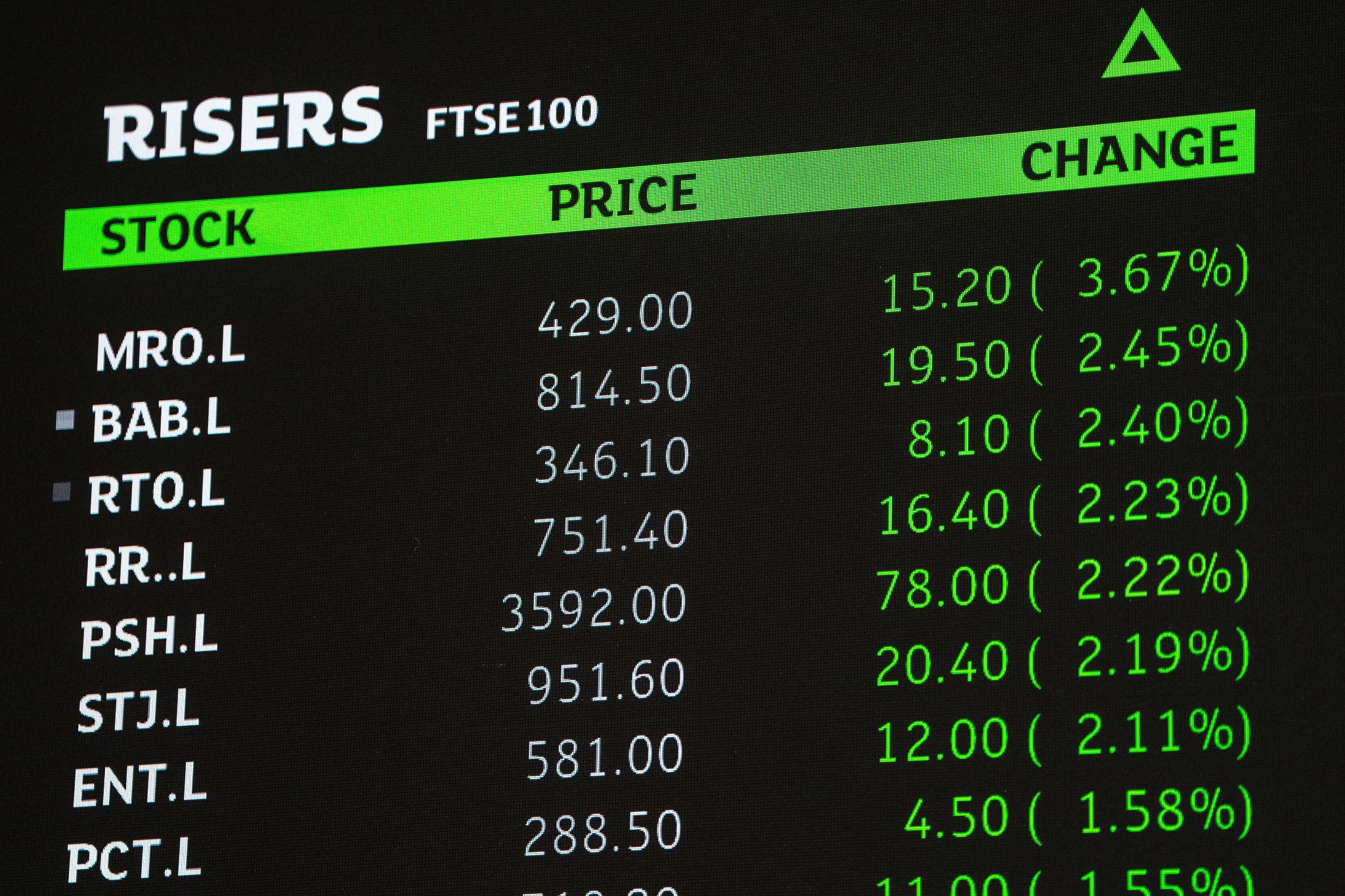
Sterling Weakens as Investor Concerns Grow
The British pound experienced additional downward movement during trading sessions as investors responded cautiously to developments unfolding inside Westminster.
The latest UK currency pressure developments reflect broader concerns about Britain’s political and economic outlook. Financial traders are increasingly evaluating how leadership instability and policy uncertainty could affect future economic growth and fiscal management.
Currency markets often respond rapidly to political uncertainty because investor confidence plays a major role in exchange rate stability. Analysts believe the recent weakening of sterling highlights growing caution among global investors.
Several banking institutions reported increased volatility in foreign exchange markets tied to political headlines emerging from London throughout the week.
Financial experts also warned that prolonged uncertainty could affect Britain’s borrowing costs, investment flows, and international market confidence moving forward.
Political Instability Adds to Market Volatility
Political tensions inside the Labour government have become one of the main factors influencing current market sentiment.
The ongoing UK currency pressure debate intensified after reports suggested cabinet ministers were increasingly divided over leadership strategy and long-term political planning. Investors are closely watching whether Prime Minister Keir Starmer can maintain internal party unity during a difficult economic period.
While government officials continue publicly supporting the administration’s policies, leaks from Westminster continue fueling speculation about possible leadership challenges and cabinet disagreements.
Political analysts say markets generally react negatively when uncertainty emerges regarding leadership continuity or government stability.
“Markets can tolerate difficult policies,”
one economist explained.
“What markets dislike most is uncertainty about who is actually in control.”
The Labour government has attempted to reassure investors by emphasizing fiscal responsibility and long-term economic planning, though concerns remain elevated.
Inflation and Growth Concerns Continue Affecting Britain
Economic conditions remain one of the biggest drivers behind the current UK currency pressure situation. Britain continues facing challenges related to inflation, weak economic growth, rising public service costs, and consumer spending concerns.
Several economists warned that Britain’s economy remains vulnerable to both domestic political instability and broader global financial pressures.
The Bank of England also continues facing difficult decisions regarding interest rates as policymakers attempt to balance inflation control with economic growth support.
Businesses across multiple industries have expressed concern regarding ongoing uncertainty surrounding taxation, energy costs, and government spending priorities.
Retailers, manufacturers, and financial institutions are particularly sensitive to currency volatility because fluctuations in sterling can directly affect imports, exports, and operational costs.
Analysts say the combination of economic uncertainty and political instability has increased caution across financial markets.
London Financial Markets Closely Monitor Westminster
London’s financial district remains highly focused on developments inside Westminster as traders and investors evaluate potential long-term risks.
The broader UK currency pressure discussion now extends beyond short-term currency fluctuations and includes concerns about Britain’s overall economic direction heading into future election cycles.
Investment firms and international banks are reportedly increasing monitoring of British political developments because of the UK’s importance in global finance.
Several market analysts noted that investor sentiment toward Britain could improve quickly if political stability strengthens and economic confidence returns.
However, ongoing speculation surrounding government leadership continues contributing to market volatility.
“Confidence is one of the most valuable assets in financial markets,”
a senior investment analyst stated.
“Political clarity often stabilizes currencies faster than economic announcements.”
Historical Currency Crises in British Politics
Britain has experienced multiple periods throughout modern history where political instability directly affected financial markets and sterling performance.
The current UK currency pressure situation mirrors previous moments where leadership uncertainty and economic concerns combined to weaken investor confidence.
Political historians point to events including Brexit negotiations, financial crises, and past leadership transitions where sterling experienced major volatility linked to political developments.
Currency analysts say markets historically respond strongly whenever uncertainty emerges regarding Britain’s fiscal strategy, government leadership, or economic outlook.
This historical pattern explains why current political debates inside Westminster continue receiving such close attention from international investors.
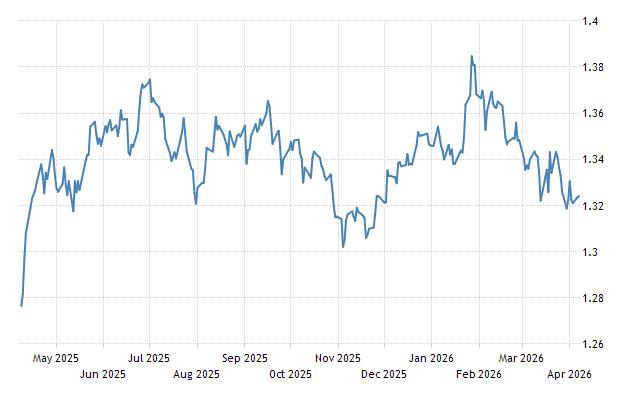
Global Markets Watch Britain’s Stability
International financial institutions and global investors remain highly focused on Britain due to the country’s significant influence within global banking and currency markets.
The growing UK currency pressure situation has attracted attention from central banks, multinational corporations, and investment funds across Europe, North America, and Asia.
London continues operating as one of the world’s leading financial capitals, meaning political instability in Britain often influences broader market sentiment internationally.
Financial experts say international investors are particularly interested in whether Britain can maintain economic stability despite growing political tensions.
Despite recent volatility, analysts note Britain continues maintaining strong financial infrastructure and significant international investment appeal.
Government Faces Pressure to Restore Confidence
Government leaders now face increasing pressure to reassure both the public and financial markets regarding Britain’s long-term economic direction.
The broader UK currency pressure debate highlights how closely connected political leadership and economic confidence have become during 2026.
Several economists believe restoring investor confidence will require:
- Greater political stability
- Clearer fiscal planning
- Consistent economic messaging
- Reduced leadership speculation
Labour officials continue emphasizing that economic reforms require time to deliver measurable results. However, critics argue ongoing political divisions are weakening public confidence and market stability.
Political commentators believe the next several weeks could prove crucial in determining whether sterling stabilizes or faces continued pressure.
Economic Outlook Remains Uncertain
The future direction of Britain’s economy and currency markets will likely depend heavily on political developments emerging from Westminster over the coming months.
The ongoing UK currency pressure situation represents more than temporary market volatility. It reflects deeper concerns regarding Britain’s political stability, investor confidence, and economic resilience during a period of global uncertainty.
Financial institutions continue monitoring possible developments including:
- Cabinet reshuffling discussions
- Fiscal policy adjustments
- Interest rate decisions
- Election-related political tensions
Analysts say sterling’s future performance may depend largely on how quickly Britain’s government can reduce uncertainty and restore confidence.
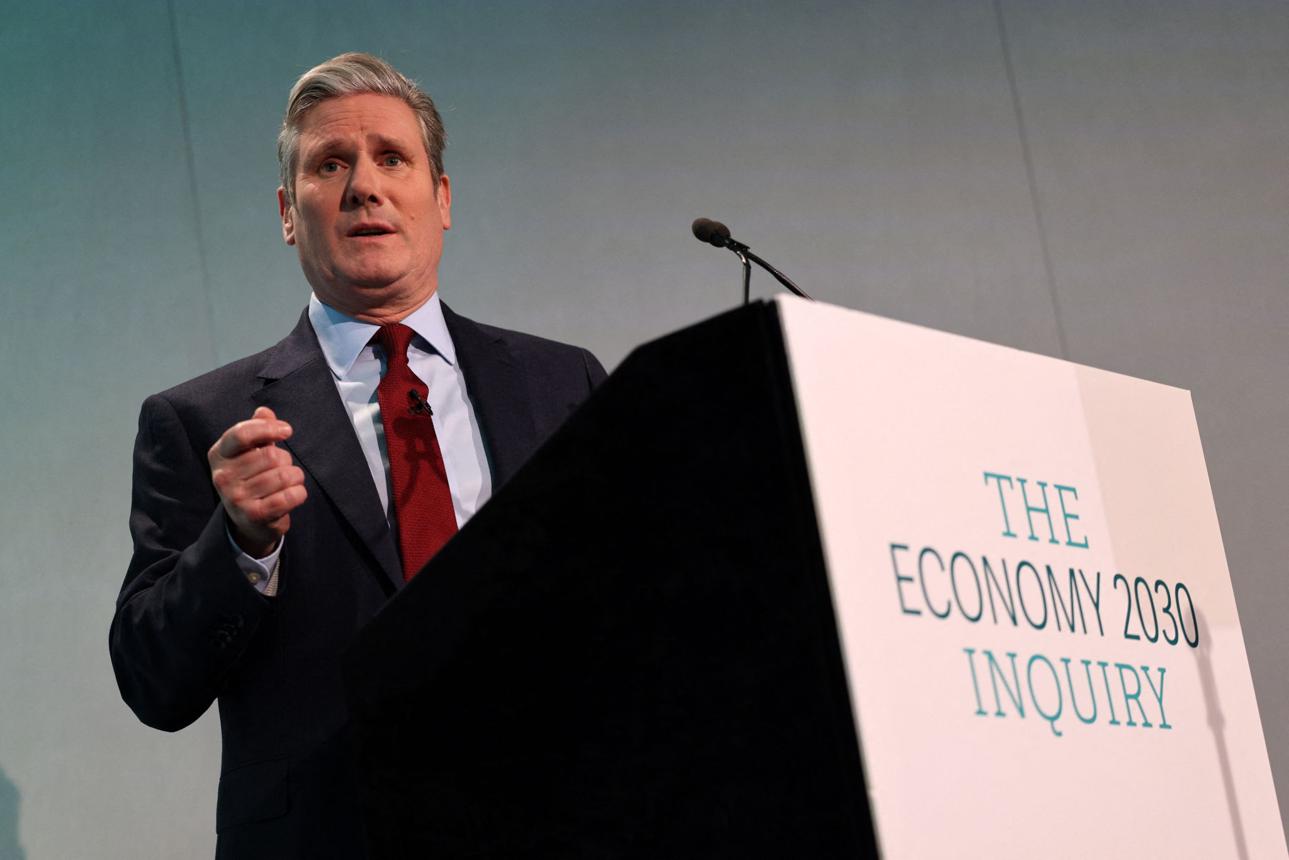
Britain’s financial markets remain under pressure as investors react to political uncertainty, economic challenges, and growing concerns surrounding government stability in 2026.
The expanding UK currency pressure debate highlights the close relationship between political leadership and investor confidence in modern financial markets. As sterling weakens and volatility continues, attention remains focused on Westminster and the Labour government’s ability to stabilize both political and economic conditions.
The coming months may ultimately determine whether Britain restores financial confidence or faces a prolonged period of economic and political uncertainty.