

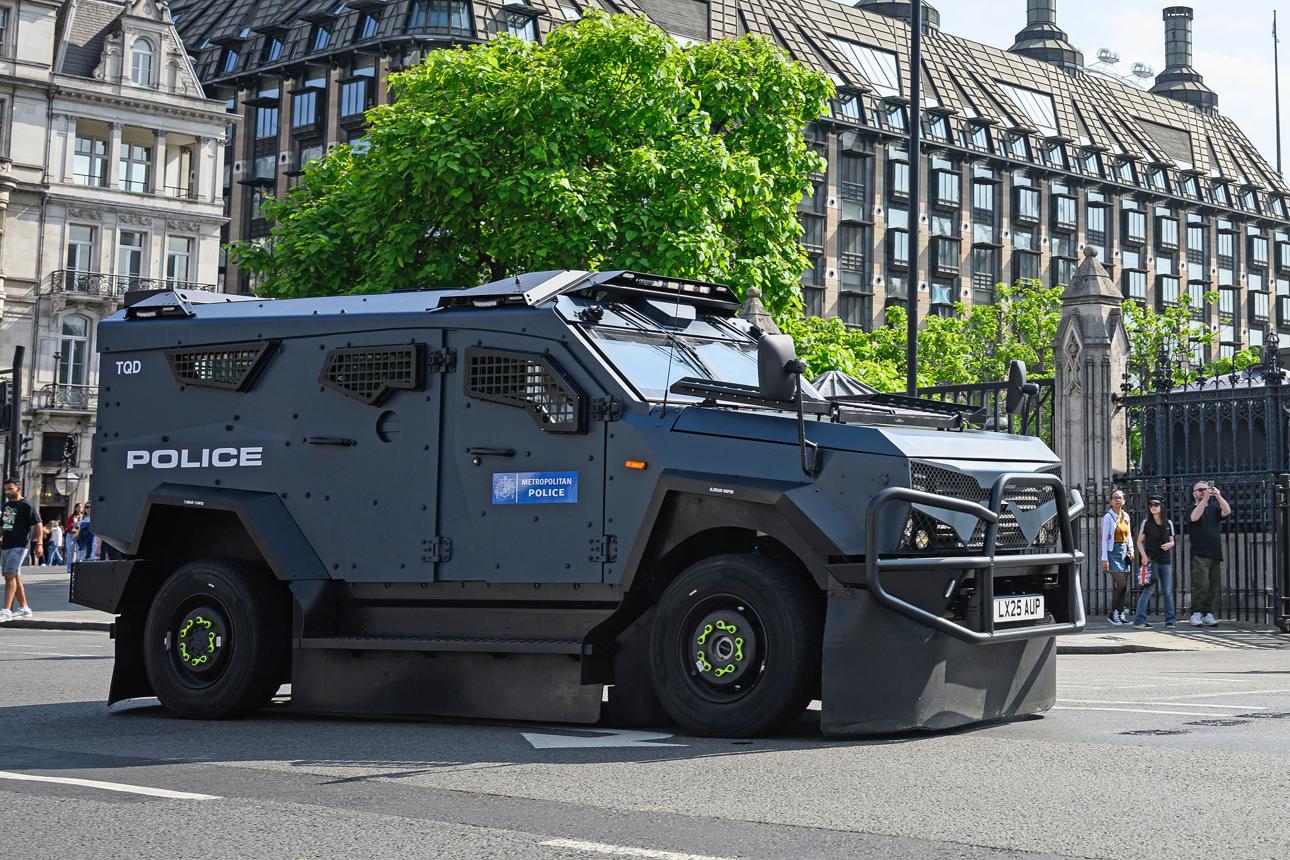
LONDON, United Kingdom (Parliament Politics Magazine) UK authorities increased security operations across London amid growing extremism concerns in 2026.
Officials say counterterrorism monitoring and public safety measures remain a top national priority.
Experts warn online radicalization and geopolitical tensions continue influencing UK security risks.
UK counterterrorism update discussions are dominating security and political conversations across Britain as London authorities continue strengthening protective measures amid growing concerns surrounding extremism, antisemitic incidents, and online radicalization. British intelligence agencies and police forces have increased monitoring operations throughout the capital while public attention remains focused on the evolving threat landscape facing the United Kingdom in 2026.
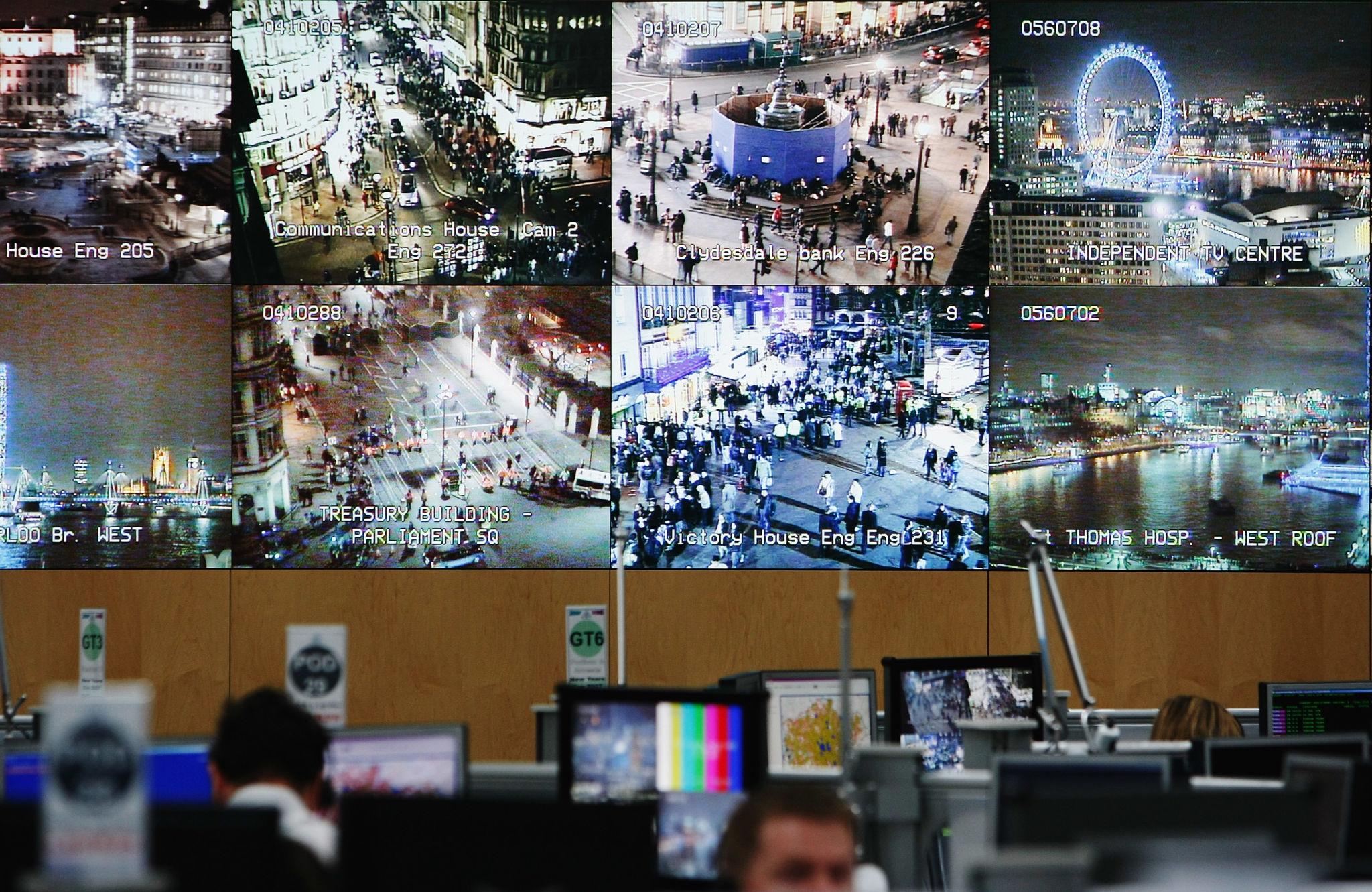
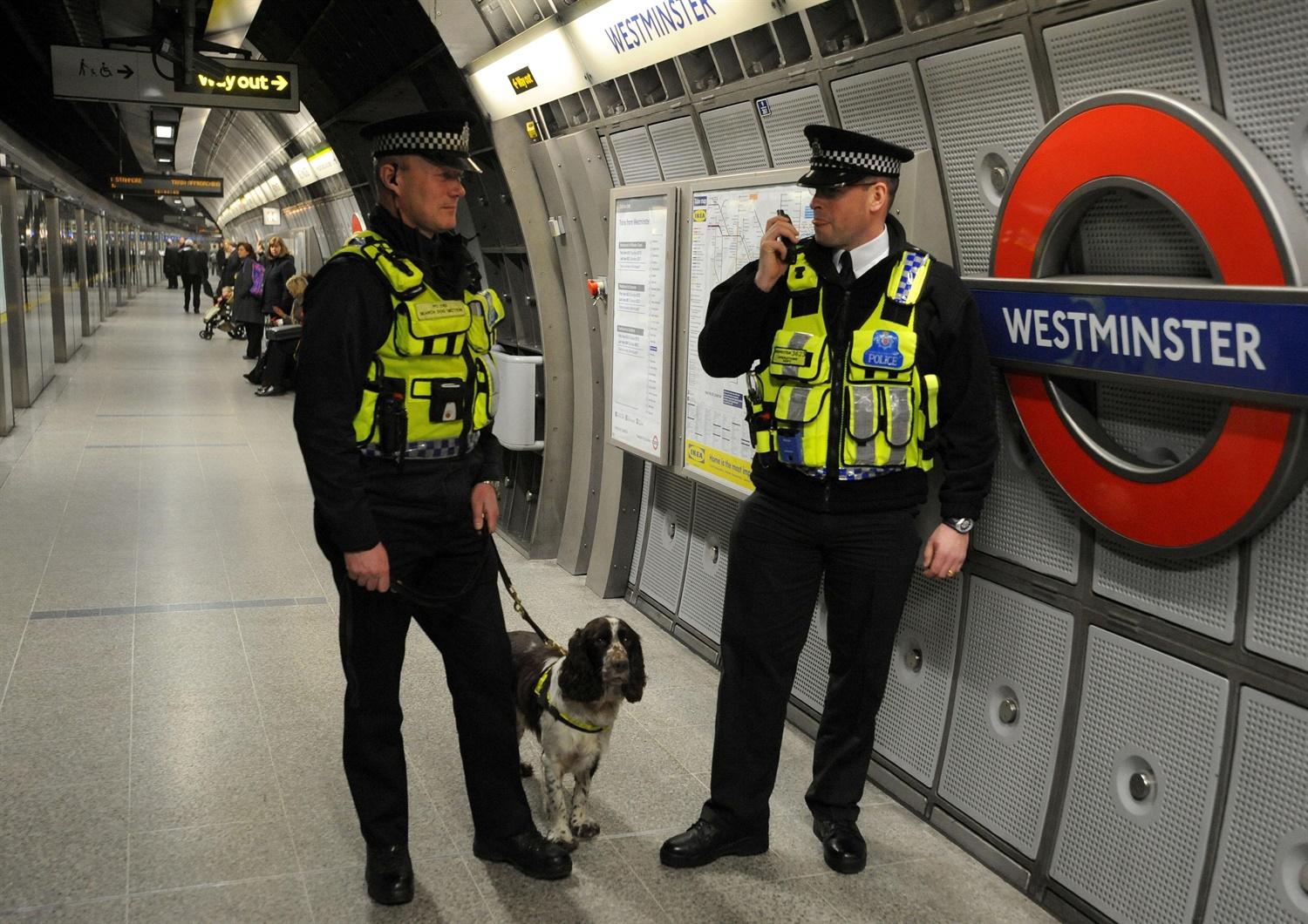
Officials say London continues to remain one of Europe’s highest-profile security environments because of its financial influence, international visibility, and political significance. Increased police patrols, expanded intelligence coordination, and heightened surveillance measures have become more visible across transportation hubs, government buildings, tourist districts, and religious institutions.
Security experts believe the current environment reflects broader global instability, where geopolitical conflicts, digital misinformation, and ideological extremism increasingly overlap.
“Protecting public safety now requires both strong intelligence operations and stronger community cooperation,”
a UK security analyst said.
Data Snapshot: UK Security and Extremism Trends 2026
| Security Indicator | 2026 Observation |
|---|---|
| Increased Police Patrols | Expanded across London transit and tourism zones |
| Online Extremism Monitoring | Elevated nationwide |
| Religious Institution Security | Increased protection measures |
| Counterterrorism Operations | Active intelligence coordination |
| Public Concern Levels | Rising according to UK surveys |
| Digital Radicalization Risks | Growing focus for investigators |
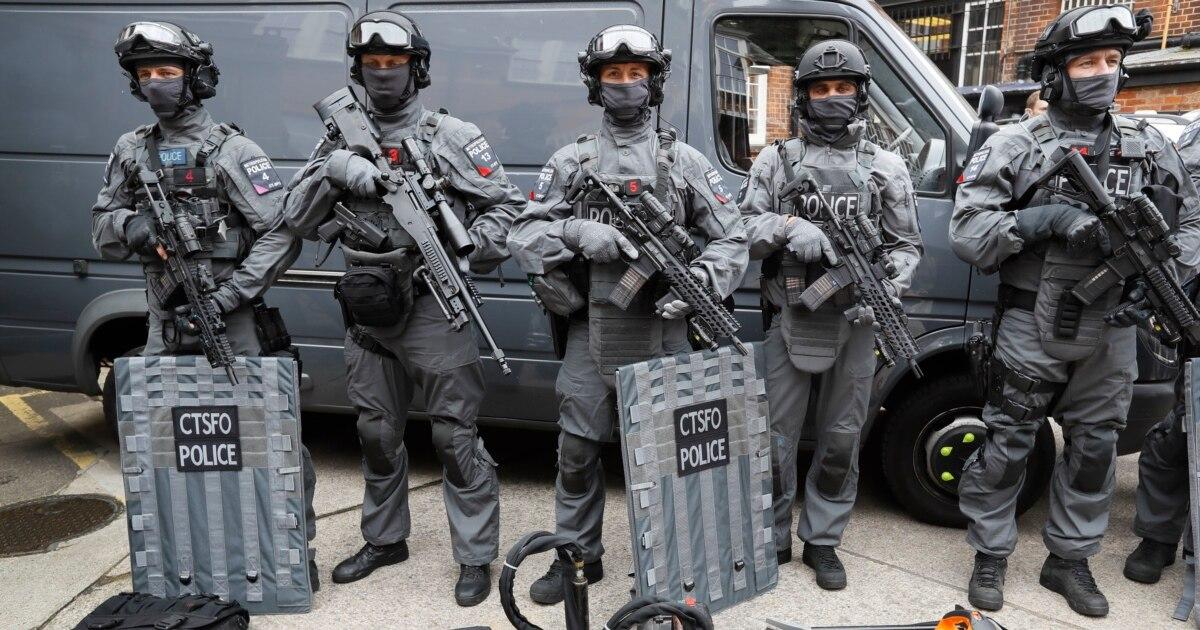
London Security Presence Expands Across Key Areas
The latest UK counterterrorism update reflects increased law enforcement visibility throughout central London and surrounding boroughs. Metropolitan Police units have intensified patrols in areas considered high-risk or strategically important.
Authorities continue coordinating closely with intelligence services to monitor suspicious activities, extremist messaging, and individuals believed to pose potential risks to public safety. Transportation systems, airports, stadiums, entertainment districts, and diplomatic locations remain priority areas for preventive security efforts.
Officials emphasize that most operations are precautionary and designed to prevent incidents before they occur. Public awareness campaigns encouraging residents to report suspicious activity have also expanded throughout 2026.
Business leaders and tourism officials say maintaining visible security measures is important for preserving confidence in London’s safety and economic stability.
Online Radicalization Becomes a Central Security Challenge
Digital extremism remains one of the biggest concerns highlighted in the current UK counterterrorism update. Security analysts warn that social media platforms, encrypted communication channels, and anonymous online forums continue accelerating the spread of extremist ideologies.
Authorities say modern radicalization often occurs online rather than through traditional organized groups. Investigators continue monitoring networks that promote violence, hate speech, antisemitism, and politically motivated extremism.
Experts believe younger internet users remain particularly vulnerable to manipulation through emotionally charged propaganda and conspiracy-driven content.
Technology companies continue facing pressure from lawmakers and security agencies to remove dangerous content faster and improve moderation systems.
“The internet has transformed how extremist narratives spread across borders,”
one British counter-extremism researcher stated.
Jewish Communities Voice Growing Concerns
Religious organizations and advocacy groups across London continue raising concerns regarding increased antisemitic incidents and hostile rhetoric. Community leaders say many Jewish residents remain worried about rising tensions connected to international conflicts and domestic extremism.
Security around synagogues, schools, and cultural institutions has noticeably increased in several areas of London. Additional surveillance systems and police coordination programs have also expanded.
The latest UK counterterrorism update has reinforced concerns about how hate crimes and extremist narratives can influence broader social tensions within the UK.
Several organizations are calling for stronger enforcement against hate-related crimes and improved educational efforts focused on combating extremism and misinformation.
Community advocates warn that fear and division can create long-term social damage if not addressed responsibly.
Political Pressure Mounts on UK Leadership
The ongoing UK counterterrorism update has intensified political debate surrounding national security policies, immigration controls, digital regulation, and policing strategies.
Government leaders face growing pressure to strengthen counterterrorism capabilities while also protecting civil liberties and avoiding policies that unfairly target communities.
Some lawmakers support expanded surveillance authorities and tougher enforcement measures. Others warn that political polarization and inflammatory rhetoric may unintentionally contribute to further social instability.
The debate has become increasingly visible across British media as public concern surrounding security risks continues rising during 2026.
Experts note that maintaining balance between safety and democratic freedoms remains one of the biggest challenges facing Western governments today.
History of Counterterrorism Challenges in the United Kingdom
The United Kingdom has faced multiple waves of terrorism-related threats over several decades, shaping the country’s modern security infrastructure and intelligence operations.
From historical IRA bombings to more recent extremist attacks connected to global radicalization networks, British authorities have repeatedly adapted security policies in response to evolving risks.
The latest UK counterterrorism update reflects how threats have changed significantly during the digital era, where online recruitment and decentralized extremist movements now play a major role.
| Period | Major Security Concern | Government Response |
|---|---|---|
| 1970s–1990s | IRA terrorism campaigns | Expanded intelligence operations |
| Early 2000s | International extremist threats | Increased airport and transit security |
| 2010s | Lone-wolf radicalization | Enhanced digital monitoring |
| 2020s | Online extremism and hate networks | AI-assisted surveillance and cyber investigations |
Businesses and Tourism Leaders Monitor Security Climate
London’s business community continues closely monitoring developments connected to the latest UK counterterrorism update. Tourism leaders say visible police presence provides reassurance, but prolonged concerns surrounding extremism can still influence public perception.
The UK economy relies heavily on tourism, international investment, and consumer confidence. Any sustained perception of instability may affect travel decisions, hospitality spending, and retail activity.
Hotels, transportation providers, entertainment venues, and financial districts continue reviewing emergency preparedness strategies and security coordination procedures.
Experts say major global cities increasingly face pressure to balance openness, accessibility, and public safety in a rapidly changing threat environment.
Community Leaders Push for Prevention and Unity
Religious leaders, educators, and local organizations across London continue emphasizing the importance of prevention, education, and social cohesion.
Many experts believe addressing extremism requires more than law enforcement alone. Youth programs, mental health resources, anti-hate initiatives, and interfaith cooperation efforts have become increasingly important parts of prevention strategies.
The latest UK counterterrorism update also highlights concerns about misinformation, social isolation, and political polarization contributing to radicalization risks.
Several civic organizations are encouraging respectful public dialogue and responsible media coverage to reduce fear-driven divisions.
“Communities become safer when trust is stronger than fear,”
a London civic advocate said during a recent public safety discussion.
Authorities Continue Preparing for Future Risks
British intelligence agencies continue treating London as one of Europe’s highest-priority security environments. The current UK counterterrorism update indicates authorities expect extremist threats and online radicalization challenges to remain ongoing concerns during the coming years.
Security officials say cooperation between intelligence services, law enforcement agencies, technology companies, and local communities will remain critical for preventing future incidents.
Authorities also continue encouraging public vigilance while emphasizing that social unity and calm decision-making remain essential for long-term national stability.
The broader challenge facing Britain reflects concerns seen throughout Europe and other Western nations attempting to manage rising digital extremism and geopolitical uncertainty.
At the same time, community leaders warn that preventing division, fear, and hate-driven rhetoric remains equally important for preserving long-term social stability. As London navigates rising security concerns, the balance between safety, freedom, and unity will likely remain one of the defining challenges facing the United Kingdom in the years ahead.