
The South Korea tech industry is facing major pressure from AI expansion, labor negotiations, and rising semiconductor competition in 2026.
Samsung Electronics and other technology giants are navigating workforce demands while global markets depend on stable chip production.
Analysts say the South Korea tech industry could play a decisive role in the future of artificial intelligence and global technology leadership.
SEOUL, South Korea (Parliament Politics Magazine) The South Korea tech industry is entering a critical period as major companies confront rising labor demands, artificial intelligence expansion, semiconductor competition, and growing global economic uncertainty.
Technology leaders, investors, and policymakers are closely monitoring developments across South Korea’s electronics and semiconductor sectors, which remain central to worldwide supply chains tied to smartphones, AI systems, cloud computing, and consumer technology.
The renewed labor negotiations involving Samsung Electronics have drawn additional attention to the broader challenges facing the South Korea tech industry during a period of rapid transformation in global technology markets.
Industry analysts believe the coming months may determine how effectively South Korea maintains its position as one of the world’s leading technology powers.
“The technology race is no longer only about innovation,”
one Seoul-based market strategist said.
“It is also about workforce stability, supply chains, and national economic resilience.”
| Category | Details |
|---|---|
| Industry | Technology & Semiconductors |
| Country | South Korea |
| Major Companies | Samsung, SK Hynix, LG |
| Key Issue | Labor & AI Expansion |
| Economic Importance | Global Semiconductor Supply |
| Year | 2026 |
| Main Location | Seoul |
| Global Relevance | AI & Chip Manufacturing |
Semiconductor Competition Intensifies Globally
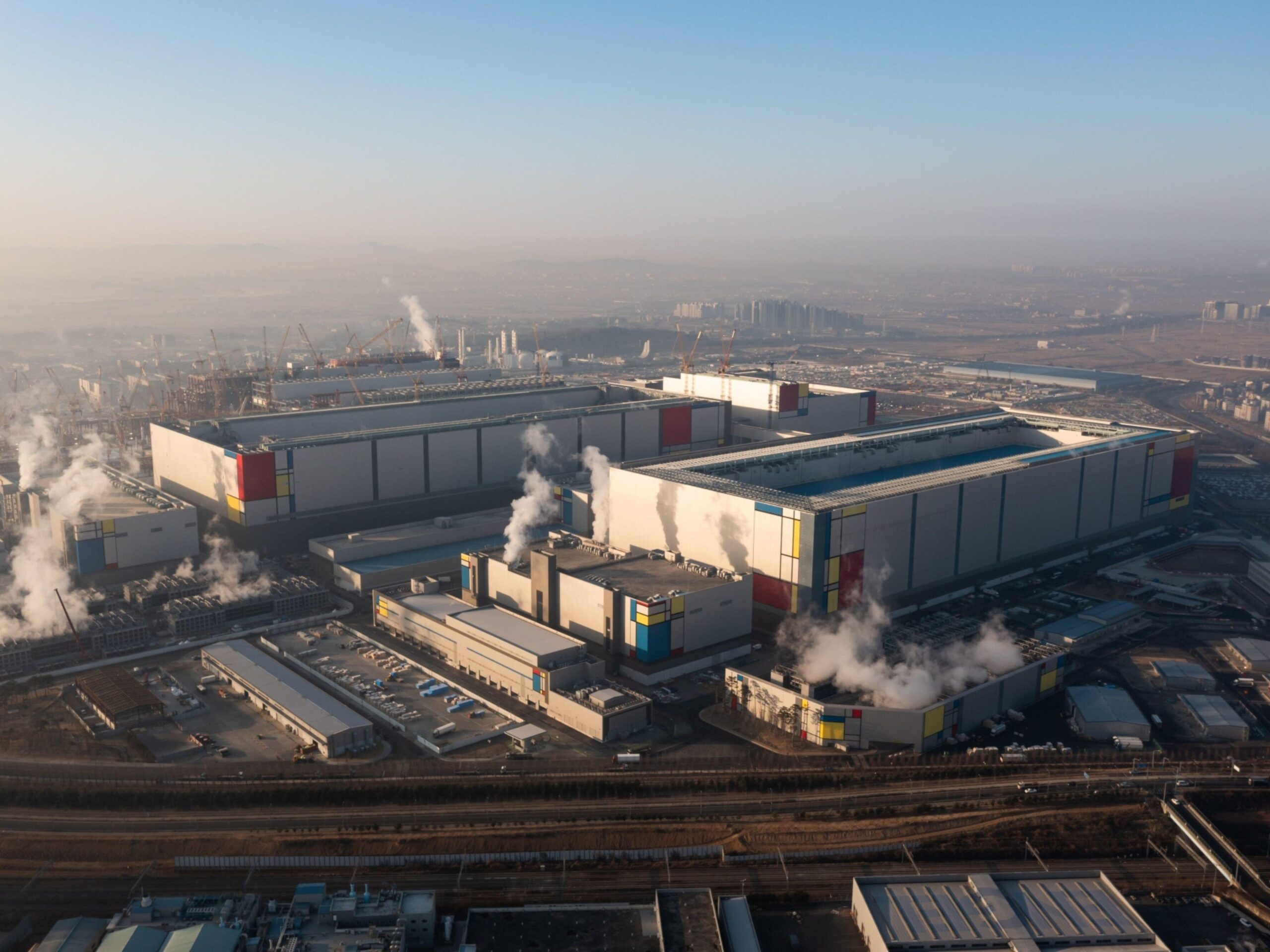
The South Korea tech industry continues playing a dominant role in semiconductor manufacturing, especially in memory chip production used in artificial intelligence servers, smartphones, and data centers.
South Korean firms including Samsung Electronics and SK Hynix remain among the world’s most important semiconductor suppliers. However, competition is rapidly increasing as governments worldwide invest heavily in domestic chip production.
The United States, China, Japan, and European nations are all attempting to reduce dependence on foreign semiconductor manufacturing by funding local facilities and technology research.
Analysts say the South Korea tech industry now faces pressure from multiple directions:
- Artificial intelligence chip demand
- Global semiconductor subsidies
- Supply chain restructuring
- Rising labor costs
- Geopolitical trade tensions
- Manufacturing competition from China and Taiwan
As AI infrastructure expands worldwide, demand for advanced semiconductors is expected to remain strong throughout 2026 and beyond.
Samsung Labor Talks Reflect Broader Industry Challenges
Labor negotiations at Samsung Electronics have become one of the most closely watched developments affecting the South Korea tech industry this year.
Workers are reportedly seeking higher wages, improved benefits, and stronger workplace protections amid rising inflation and increasing productivity expectations.
Technology companies globally are facing similar labor pressures as employees demand compensation structures that reflect corporate profitability and economic conditions.
The labor discussions are especially important because Samsung Electronics plays a major role in global semiconductor production and electronics manufacturing.
Any prolonged disruptions inside the South Korea tech industry could potentially affect international supply chains tied to smartphones, AI servers, and consumer electronics.
Several analysts believe workforce relations are becoming just as important as technological innovation inside major corporations.
“The companies that manage labor stability effectively may gain long-term advantages during the AI era,”
one labor economist explained.

Artificial Intelligence Boom Creates New Opportunities
Artificial intelligence is rapidly becoming one of the most important drivers of growth for the South Korea tech industry.
The expansion of AI-powered systems is increasing demand for semiconductors, cloud computing infrastructure, advanced memory chips, and high-performance processors.
South Korean technology firms are investing aggressively in AI-related manufacturing and research as governments worldwide compete for leadership in artificial intelligence development.
Industry observers say the South Korea tech industry is well positioned to benefit from the AI boom due to its existing semiconductor expertise and manufacturing infrastructure.
Major opportunities include:
- AI server memory production
- Advanced chip packaging
- Data center infrastructure
- Robotics development
- Consumer AI electronics
- Smart manufacturing systems
Technology companies are also expanding partnerships with global AI firms seeking reliable semiconductor supply chains.
The growing importance of AI may therefore strengthen South Korea’s influence within the global technology economy.
Global Markets Depend on South Korean Technology
The South Korea tech industry remains deeply integrated into international financial markets and manufacturing systems.
Semiconductors produced by South Korean companies are used in:
- Smartphones
- Artificial intelligence systems
- Electric vehicles
- Consumer electronics
- Medical devices
- Telecommunications equipment
Because of this global dependence, economic developments inside South Korea’s technology sector often influence investor sentiment worldwide.
Analysts say stable semiconductor production remains essential as AI competition intensifies between the United States, China, and Europe.
The South Korea tech industry therefore carries strategic importance extending far beyond domestic economic growth.
Some economists believe semiconductor manufacturing has become one of the most geopolitically important industries in the modern global economy.
South Korea Faces Pressure From China and Taiwan
Regional competition continues intensifying as neighboring economies invest heavily in semiconductor and electronics manufacturing.
Taiwan remains a dominant force in advanced chip fabrication through companies such as TSMC, while China continues investing billions into domestic semiconductor independence.
The South Korea tech industry must therefore balance innovation, labor stability, pricing competition, and geopolitical uncertainty simultaneously.
Some experts warn that future technology leadership may depend not only on manufacturing scale but also on access to skilled labor and reliable global partnerships.
Government officials in Seoul continue emphasizing research investment and workforce development to maintain competitiveness.
At the same time, international trade tensions continue creating uncertainty across global technology markets.
Historical Perspective on South Korea’s Technology Growth
Historical Cycles of the South Korea Tech Industry
| Era | Major Development | Economic Impact |
|---|---|---|
| 1980s | Electronics Manufacturing Expansion | Export-driven growth |
| 1990s | Semiconductor Leadership Emerges | Global market influence |
| 2000s | Smartphone Revolution | Consumer technology dominance |
| 2020s | AI & Advanced Chips | Strategic global technology power |
Economic historians often point to South Korea as one of the most successful examples of rapid industrial modernization during the late twentieth century.
The South Korea tech industry transformed from a manufacturing-focused economy into one of the world’s leading centers for semiconductors, smartphones, displays, and advanced electronics.
Experts now believe artificial intelligence may represent the next defining chapter in the country’s technology evolution.
Investors Closely Monitoring Industry Stability
Financial markets are paying close attention to developments across the South Korea tech industry because semiconductor production remains critical to the global economy.
Stable labor agreements, reliable production schedules, and continued AI investment are viewed as essential for maintaining investor confidence.
Technology stocks connected to semiconductors and artificial intelligence have experienced significant volatility as markets react to changing economic conditions and geopolitical developments.
Some analysts believe the South Korea tech industry could experience long-term growth if AI infrastructure demand continues accelerating globally.
Others warn that labor disputes, supply chain disruptions, and international competition could create additional risks in coming years.
“Semiconductors are becoming the foundation of modern economic power,”
one global investment strategist said.
Government Support Remains Critical
South Korean officials continue supporting the technology sector through research funding, manufacturing incentives, and workforce development initiatives.
Governments worldwide increasingly view semiconductor production as a national security issue due to its importance in defense systems, communications, and artificial intelligence infrastructure.
The South Korea tech industry therefore remains central not only to economic policy but also to broader geopolitical strategy.
Industry experts expect government involvement in technology development to increase further as global AI competition intensifies.