

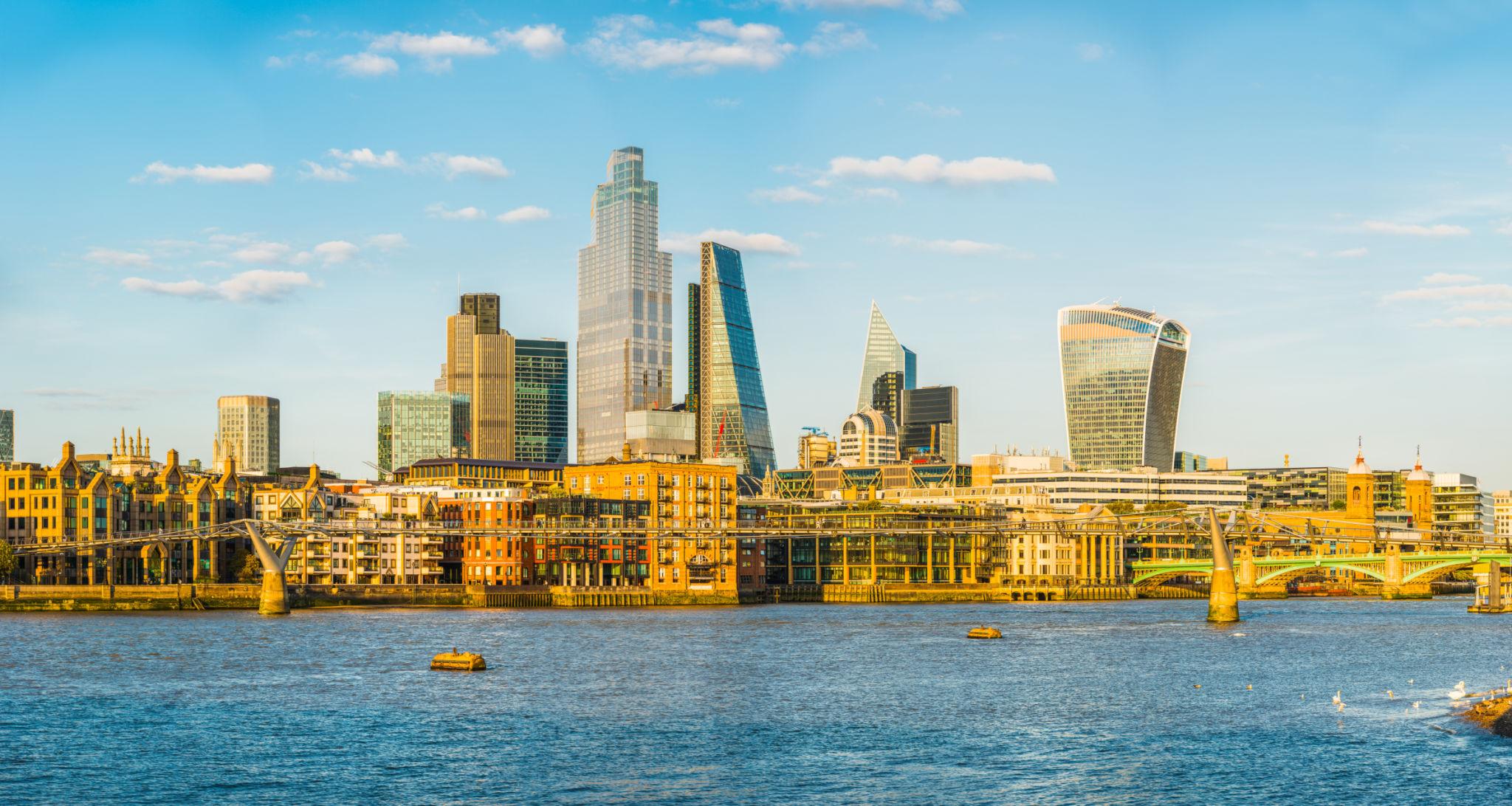
The UK economy showed fresh signs of slowing as employment growth weakened and consumer confidence declined.
Investors reacted cautiously as fears increased over future economic expansion and business activity.
Analysts say slowing demand and weaker labor conditions could influence Bank of England policy decisions.
LONDON, United Kingdom (Parliament Politics Magazine) UK economic slowdown concerns intensified after fresh economic data pointed toward weakening labor conditions, slower business activity, and reduced consumer confidence across the country. Investors and analysts are closely watching developments as Britain faces growing pressure from higher borrowing costs, softer retail demand, and slowing investment activity.
Financial markets reacted cautiously after recent reports suggested the British economy may be losing momentum faster than expected. Economists believe the combination of weaker hiring trends and declining spending could create additional challenges for businesses and households throughout the remainder of 2026.
The latest figures have renewed debate about whether the Bank of England will continue tightening monetary policy or begin taking a more cautious approach to support economic stability.
UK Market Data Snapshot
| Economic Indicator | Latest Trend | Market Impact |
|---|---|---|
| Employment Growth | Slowing | Reduced investor confidence |
| Consumer Spending | Weakening | Retail sector pressure |
| Inflation Outlook | Moderating | Rate hike expectations easing |
| Business Investment | Declining | Slower economic activity |
| FTSE Market Reaction | Volatile Gains | Cautious investor sentiment |
Investors React as Economic Growth Loses Momentum
The latest market session reflected growing uncertainty surrounding the British economy. Analysts reported that weaker employment growth and slower consumer spending fueled concerns about future expansion.
The UK economic slowdown narrative gained attention after multiple sectors reported declining activity levels. Retail businesses, hospitality companies, and manufacturing firms all indicated softer demand conditions during recent trading updates.
Market strategists said investors are becoming increasingly cautious as signs of slower growth continue appearing across several industries.
One London-based economist stated:
“The current economic environment suggests the UK is entering a period of slower expansion, and markets are adjusting expectations accordingly.”
The statement highlighted rising concern among investors regarding the sustainability of economic growth under continued financial pressure.
Weak Labor Market Data Adds Pressure on Policymakers
Employment data released this week showed signs that hiring demand may be cooling across Britain. Businesses facing rising operational expenses and borrowing costs appear to be slowing recruitment efforts.
The UK economic slowdown became a major topic in financial markets after labor market indicators pointed toward reduced business confidence.
Analysts believe weaker job growth may eventually ease inflation pressure, which could influence future interest rate decisions by the Bank of England.
However, slower hiring activity also raises concerns about household income growth and long-term consumer spending strength.
Several economists warned that labor market weakness could become more visible later in the year if economic conditions continue deteriorating.
Another financial analyst said:
“Employment trends often act as an early warning signal for broader economic weakness.”
The labor market remains one of the most closely watched indicators because it directly affects inflation, consumer spending, and corporate profitability.
Consumer Spending Slows Across Key Retail Sectors
Retail businesses across the United Kingdom are reporting reduced consumer activity as households continue adjusting to higher living costs.
The UK economic slowdown has affected spending patterns in sectors ranging from hospitality to luxury retail and consumer electronics.
Higher mortgage payments, elevated energy bills, and tighter credit conditions have contributed to weaker purchasing behavior among consumers.
Many retailers are responding by offering discounts and promotional campaigns to maintain sales activity during a challenging economic period.
Despite these efforts, several analysts believe consumer confidence could remain fragile if inflation pressures continue impacting household finances.
Financial Markets Monitor Bank of England Strategy
The Bank of England remains at the center of investor attention as markets attempt to predict future monetary policy decisions.
The UK economic slowdown has complicated the central bank’s challenge of balancing inflation control with economic stability.
For much of the past year, policymakers focused on controlling inflation through higher interest rates. However, weaker economic data may increase pressure for a more cautious strategy moving forward.
Investors are now debating whether future rate increases could further weaken economic activity.
Financial markets continue reacting strongly to every inflation report, labor market release, and policy statement from central bank officials.
One market strategist explained:
“Investors want clarity on whether policymakers believe inflation remains the bigger risk than slowing economic growth.”
This uncertainty has contributed to increased volatility across financial markets during recent trading sessions.
Historical Cycles of Economic Slowdowns in Britain
Britain has experienced several economic slowdowns over the past decades, often triggered by inflation pressure, financial instability, or global economic disruptions.
The current UK economic slowdown shares similarities with previous periods where rising borrowing costs and weakening consumer demand created economic challenges.
Economists note that each slowdown has differed in severity, but rising borrowing costs and declining confidence often remain common factors.
Business Investment Activity Shows Signs of Weakness
Corporate investment activity has also slowed as businesses delay expansion plans and reduce spending on new projects.
The UK economic slowdown is affecting both domestic firms and international investors seeking growth opportunities within Britain.
Companies are becoming more cautious due to uncertainty surrounding consumer demand, interest rates, and global economic conditions.
Several sectors, including construction and manufacturing, reported weaker order volumes and slower capital spending during the latest quarter.
Analysts believe business investment trends will remain critical in determining whether economic growth stabilizes later in 2026.
Global Economic Risks Continue Influencing Britain
International economic conditions are also contributing to uncertainty surrounding the British economy.
The UK economic slowdown is unfolding at a time when global growth remains uneven and geopolitical tensions continue affecting trade and investment flows.
Energy markets, inflation pressures, and international borrowing costs remain major concerns for policymakers worldwide.
European markets have also shown signs of slowing activity, increasing fears that broader economic weakness could spread across multiple regions.
Financial analysts say Britain’s export-focused industries could face additional pressure if global demand weakens further.
Analysts Divided Over Future Economic Outlook
Economists remain divided regarding the long-term outlook for Britain’s economy.
Some believe slowing inflation could eventually support recovery by reducing pressure on consumers and businesses.
Others argue the UK economic slowdown may become more severe if higher borrowing costs continue restricting spending and investment activity.
Despite the uncertainty, many investors remain hopeful that inflation trends will improve enough to stabilize financial conditions later in the year.
The coming months are expected to be crucial as policymakers, businesses, and consumers adapt to changing economic conditions.