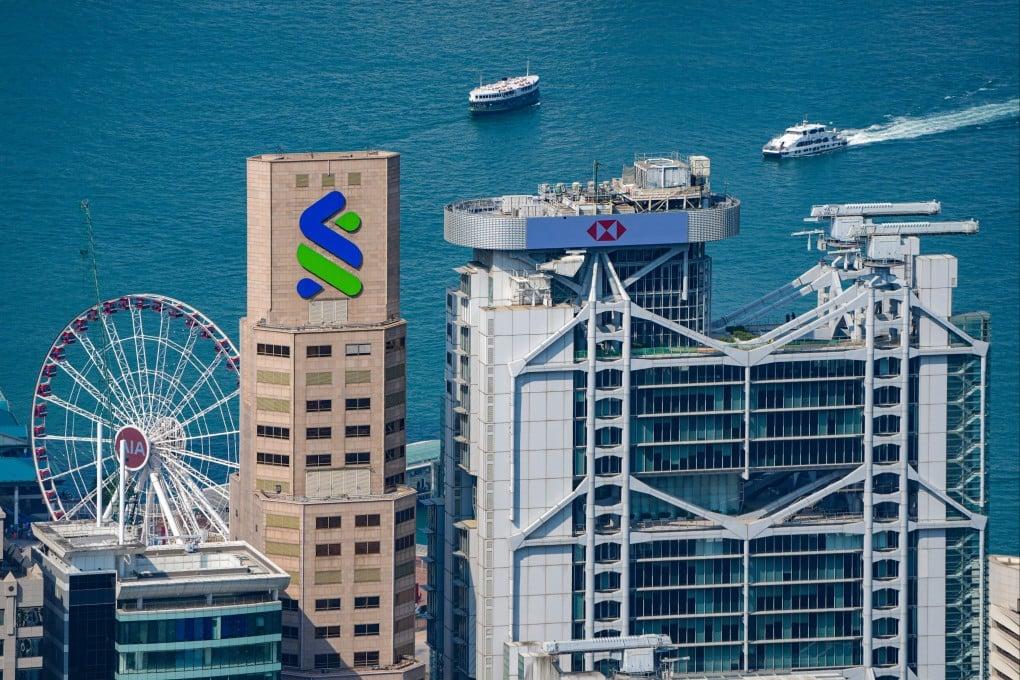
- Standard Chartered plans to eliminate more than 7,000 jobs by 2030 as AI automation expands across banking operations.
- The bank says artificial intelligence will improve efficiency, reduce manual tasks, and support long-term profitability goals.
- Analysts warn that AI job cuts could reshape the global banking workforce over the next decade.
StanChart Accelerates Automation as AI Reshapes Global Banking
HONG KONG (Parliament Politics Magazine) AI job cuts are rapidly transforming the global financial sector after Standard Chartered announced plans to eliminate more than 7,000 positions over the next four years while expanding its investment in artificial intelligence and automation technologies. The London-based lender said the restructuring initiative is designed to improve profitability, streamline operations, and modernize the bank’s global infrastructure as competition intensifies across international banking markets.
The decision marks one of the largest workforce restructuring plans announced by a major international bank this year. Executives stated that the move reflects broader changes taking place throughout the financial industry as institutions increasingly rely on digital systems, machine learning, and automation to replace repetitive administrative work.
The banking giant confirmed that many corporate and back-office functions will gradually transition toward AI-powered platforms capable of handling tasks traditionally managed by human employees.
“It’s not cost-cutting. It’s replacing in some cases lower-value human capital with the financial capital and the investment capital we’re putting in,”
Standard Chartered CEO Bill Winters said during a media briefing.
AI Job Cuts in Banking Sector
| Category | Details |
|---|---|
| Company | Standard Chartered |
| Announcement Date | May 19, 2026 |
| Headquarters | London, United Kingdom |
| Planned Job Cuts | Over 7,000 |
| Timeline | Through 2030 |
| Main Driver | Artificial Intelligence & Automation |
| Most Affected Areas | Back-office and corporate operations |
| Key Locations | Chennai, Bengaluru, Kuala Lumpur, Warsaw |
| 2030 Profitability Goal | 18% Return on Tangible Equity |
| AI Focus Areas | Automation, analytics, fraud detection |

Bank Plans Major Workforce Reduction Through 2030
The lender stated that approximately 15% of its corporate function workforce could be eliminated by 2030. Based on current employment figures, the reduction translates into more than 7,000 positions globally.
Executives emphasized that the restructuring will primarily target operational areas where automation tools can replace manual processes and repetitive tasks. Departments handling compliance operations, transaction processing, reporting, and administrative support are expected to face the greatest disruption.
The announcement immediately intensified debate surrounding AI job cuts and their growing impact on white-collar employment across the financial sector.
Standard Chartered currently employs nearly 82,000 people globally. Despite the scale of the restructuring, the company says some affected workers may receive opportunities for retraining and reassignment into digital-focused roles.
Management stated that employees willing to adapt to evolving technological requirements could transition into higher-value positions connected to data management, cybersecurity, analytics, and AI oversight.
Artificial Intelligence Becomes Core Banking Infrastructure
Financial institutions worldwide are increasingly treating artificial intelligence as a foundational part of modern banking operations.
Banks are now investing heavily in:
- Predictive analytics
- Automated customer support systems
- Fraud detection software
- Risk assessment algorithms
- Digital wealth management platforms
- AI-enhanced compliance monitoring
Executives at Standard Chartered described AI as a “facilitator and enabler” of the bank’s broader transformation strategy.
The company believes automation can significantly improve efficiency while reducing long-term operating costs. Industry analysts say the transition reflects growing pressure on traditional banks to compete with digital-first financial technology firms.
As customer behavior shifts toward online and mobile banking, institutions are under increasing pressure to modernize legacy systems and streamline operations.
| Era | Major Innovation | Banking Impact |
|---|---|---|
| 1980s | ATM Expansion | Reduced branch staffing needs |
| 1990s | Online Banking | Shift away from paper transactions |
| 2000s | Mobile Banking Apps | Reduced in-person customer activity |
| 2010s | Cloud Computing | Faster digital banking integration |
| 2020s | Artificial Intelligence | Large-scale automation and workforce restructuring |
The latest wave of AI job cuts represents the newest phase in a decades-long transformation of banking operations through technology adoption.

Analysts Question Long-Term Workforce Stability
Market analysts responded cautiously to the bank’s announcement despite the company’s aggressive profitability targets.
Some experts believe the financial sector may experience major workforce restructuring over the next decade as automation capabilities continue improving.
Others argue that banks risk losing institutional expertise and customer service quality if workforce reductions become too aggressive.
“In a world full of uncertainty, performance may prove more challenging further out,”
banking analyst Ed Firth said while discussing the bank’s long-term strategy targets.
The banking industry has already seen multiple institutions announce automation-related restructuring plans during the past year.
Several global lenders are increasing spending on generative AI systems while simultaneously reducing operational staffing levels.
Wealth Management Emerges as Key Growth Priority
Standard Chartered’s strategy update also highlighted the bank’s increasing focus on affluent clients and wealth management services.
Executives believe high-net-worth customers and international investment services will generate stronger long-term profitability compared to traditional retail banking.
The bank recently reported:
- Record wealth management revenue
- Strong client asset growth
- Increased net new money inflows
- Rising international investment activity
Management also accelerated its goal of attracting $200 billion in net new client money by moving the target forward to 2028.
The lender expects wealth management operations to play a major role in supporting future shareholder returns.
Banking Industry Faces Growing Competitive Pressure
Global financial institutions continue facing pressure from multiple directions including:
- Rising cybersecurity threats
- Digital-only banking competitors
- Slower global economic growth
- Regulatory compliance costs
- Rapid technological disruption
The expansion of AI job cuts reflects how aggressively banks are pursuing operational efficiency improvements to remain competitive.
Executives across the financial sector increasingly view automation as essential to maintaining profitability while meeting rising customer expectations for faster digital services.
Artificial intelligence is also helping banks process large amounts of data more efficiently while improving fraud detection and transaction monitoring capabilities.
Back-Office Operations Most Vulnerable to Automation
Industry experts believe operational support departments face the highest risk from automation technologies.
Tasks involving repetitive administrative work are increasingly being handled through AI systems capable of operating continuously with fewer errors and lower long-term costs.
Standard Chartered specifically identified operational hubs in:
- Chennai
- Bengaluru
- Kuala Lumpur
- Warsaw
as areas expected to experience significant restructuring activity over the coming years.
Although some employees may transition into technology-focused roles, analysts warn that many traditional banking support positions could gradually disappear altogether.

Investors Monitor Profitability Targets Closely
Alongside its workforce restructuring, Standard Chartered announced updated financial goals aimed at improving shareholder returns.
The bank now expects:
- More than 15% return on tangible equity by 2028
- Approximately 18% return on tangible equity by 2030
Despite these projections, shares slipped slightly during early London trading following the announcement.
Some investors appear concerned that global economic uncertainty and shifting interest rate conditions could create challenges for long-term profitability targets.
Still, management remains confident that operational efficiency improvements and higher-margin wealth management services will support future growth.
“AI will be a huge facilitator and enabler of that,”
Winters said while discussing the bank’s automation initiatives.
AI Job Cuts Expand Beyond Banking
The trend of AI job cuts is no longer limited to financial institutions.
Technology companies, logistics providers, manufacturers, retailers, and customer service organizations are increasingly adopting automation systems capable of replacing repetitive tasks traditionally performed by human workers.
Economists warn that artificial intelligence could fundamentally reshape employment patterns across multiple industries during the next decade.
At the same time, technology investment is creating demand for:
- AI engineers
- Cybersecurity professionals
- Data scientists
- Machine learning specialists
- Cloud computing experts
The global labor market may gradually shift toward highly technical skill requirements as automation continues expanding.
Future of Banking Employment Remains Uncertain
The future impact of AI job cuts on global banking employment remains uncertain, but industry leaders agree that workforce transformation is accelerating rapidly.
Many analysts believe banks of the future will likely employ smaller workforces focused more heavily on technology, analytics, and customer advisory services.
Traditional administrative positions may continue declining as AI systems become more sophisticated and capable of handling increasingly complex tasks.
The banking sector now appears positioned for one of its largest structural transformations since the rise of online banking decades ago.
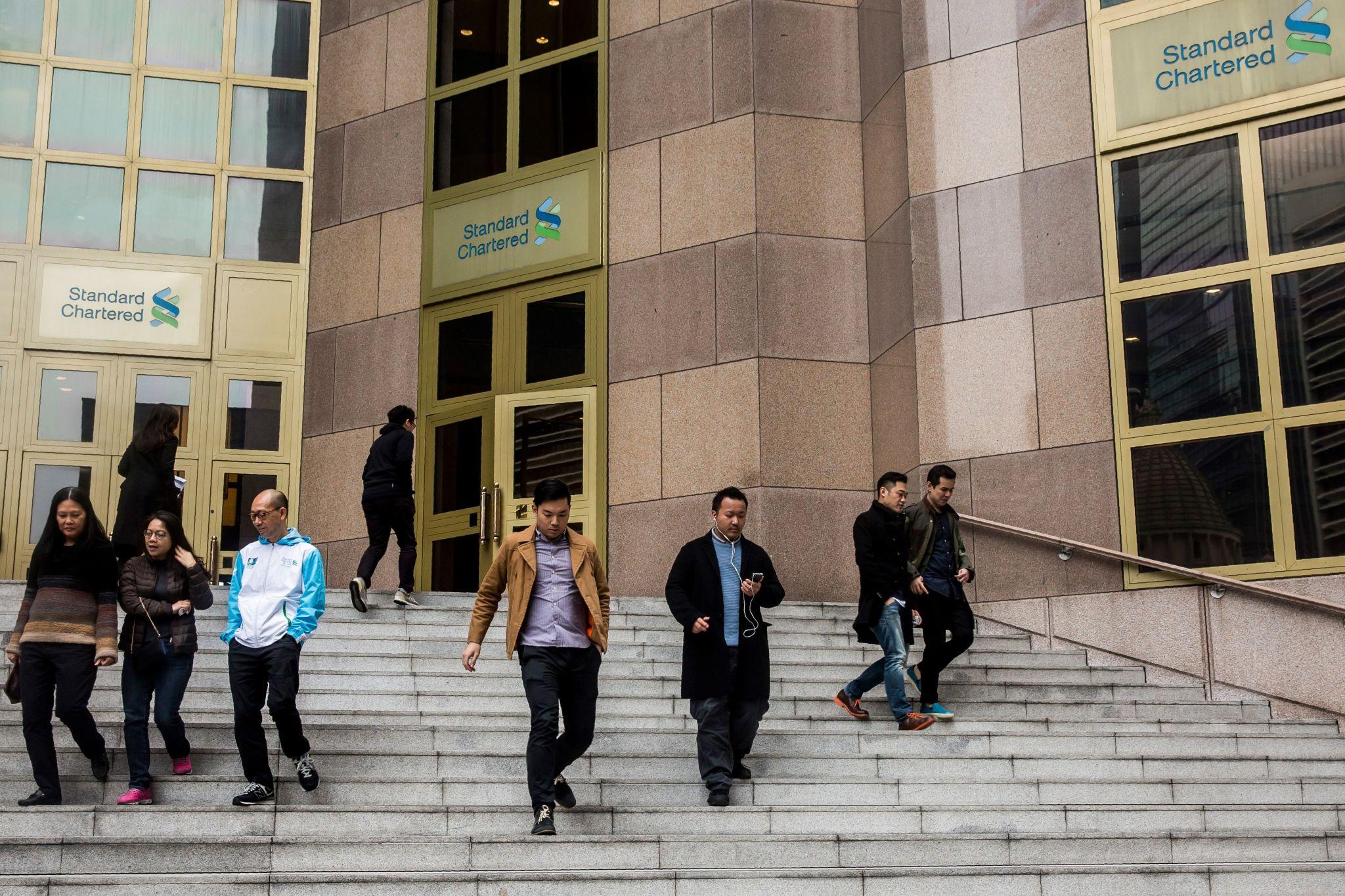
The expansion of AI job cuts at Standard Chartered highlights the growing influence of artificial intelligence across the global financial industry. The bank’s decision to eliminate more than 7,000 jobs while investing heavily in automation signals a major shift in how large institutions plan to operate in the future.
While executives argue the strategy will improve efficiency, profitability, and competitiveness, the announcement also raises serious questions about workforce stability and the future of employment in banking.
As artificial intelligence adoption accelerates worldwide, the balance between technological advancement and human employment may become one of the defining economic issues of the decade.