

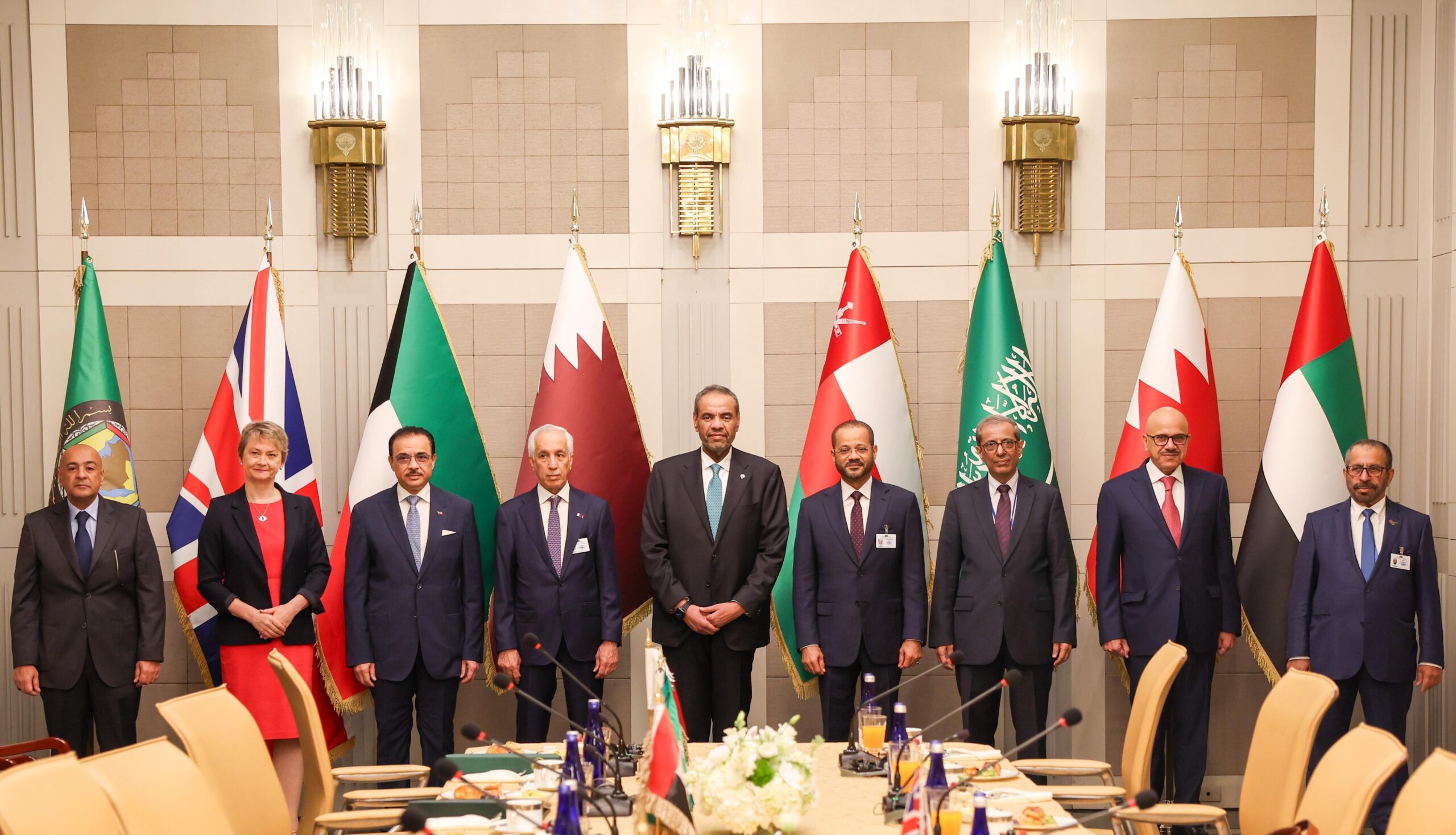
- Britain signed a £3.7 billion economic agreement with six Gulf states in a major 2026 trade breakthrough.
- The partnership focuses on exports, investment, energy cooperation, and financial market expansion.
- Analysts believe the agreement could strengthen Britain’s global trade strategy after Brexit.
LONDON, United Kingdom (Parliament Politics Magazine) UK-Gulf trade deal discussions officially concluded this week as Britain finalized a £3.7 billion agreement with six Gulf Cooperation Council nations, marking one of the country’s largest international economic partnerships since leaving the European Union. The agreement includes Saudi Arabia, the United Arab Emirates, Qatar, Kuwait, Bahrain, and Oman and is expected to expand cooperation in trade, energy, finance, infrastructure, and technology.
British officials described the agreement as a strategic move designed to improve economic growth, strengthen exports, and attract long-term foreign investment into the United Kingdom. The deal arrives during a period of growing global economic uncertainty, where governments are increasingly seeking reliable international partnerships to stabilize markets and secure future investment opportunities.
The announcement immediately drew global attention because Gulf nations control some of the world’s largest sovereign wealth funds and remain major players in global energy production and infrastructure investment.
“This agreement represents a new era of economic cooperation between Britain and the Gulf region,”
one senior trade analyst said.
Britain Expands International Trade Strategy Beyond Europe
The new agreement reflects Britain’s ongoing effort to diversify trading relationships following Brexit. Since leaving the European Union, British policymakers have prioritized bilateral agreements with rapidly growing economies around the world.
The UK-Gulf trade deal is being viewed by economists as part of a broader strategy to reduce dependence on traditional European trade markets while opening access to expanding Middle Eastern economies.
Government officials believe the partnership will improve opportunities for British companies operating in financial services, advanced manufacturing, education, renewable energy, defense technology, and healthcare.
Several Gulf nations continue investing heavily in infrastructure modernization and economic diversification programs, creating new opportunities for international business partnerships.
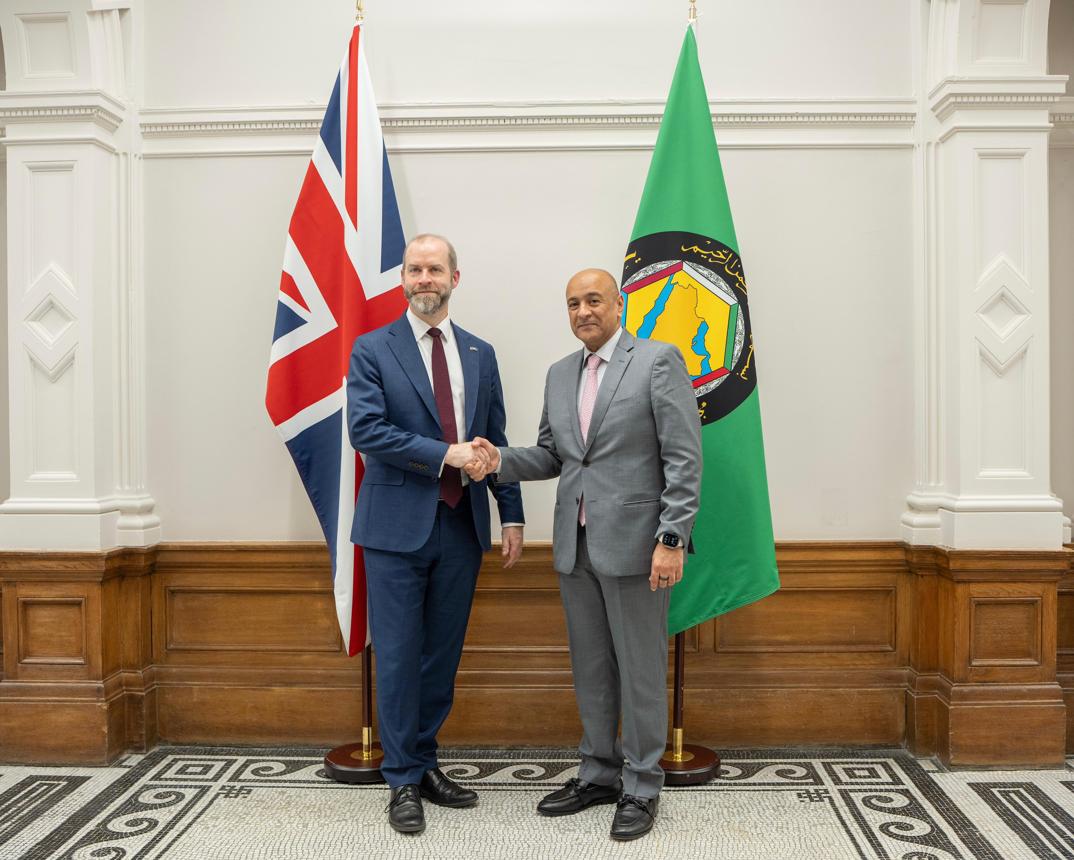
Gulf Investment Funds Continue Expanding Global Influence
The Gulf region has become increasingly influential in global financial markets over the past decade. Sovereign wealth funds from Saudi Arabia, Qatar, and the UAE manage trillions of dollars in assets and continue expanding investments across Europe, Asia, and North America.
Analysts expect the agreement to encourage additional Gulf investment into British infrastructure projects, technology companies, renewable energy initiatives, and commercial real estate developments.
The UK-Gulf trade deal may also strengthen London’s role as a global financial center by increasing cross-border banking and investment activity between Britain and Gulf nations.
“The Gulf states are no longer just energy exporters; they are now global investment powerhouses,”
a London-based financial strategist stated.
Energy Cooperation Emerges as a Key Component
Energy security remains one of the most important aspects of the agreement. Gulf nations continue to dominate oil and liquefied natural gas production, while Britain is aggressively pursuing renewable energy expansion and energy diversification.
Officials involved in negotiations said the partnership may support collaboration in hydrogen technology, renewable infrastructure financing, carbon capture systems, and sustainable energy innovation.
The UK-Gulf trade deal is expected to create additional opportunities for joint energy research projects while helping both regions strengthen long-term energy security strategies.
Britain has increasingly focused on balancing traditional energy cooperation with renewable energy development, making Gulf partnerships strategically important during the global transition toward cleaner energy systems.
Financial Markets Respond Positively to the Announcement
Global financial markets reacted positively following reports confirming the agreement. Investors viewed the announcement as a sign of economic stability and long-term international cooperation.
Several British sectors linked to exports, finance, aviation, and infrastructure experienced stronger investor confidence after the news became public.
Currency traders also monitored the agreement closely because expanded trade partnerships can influence long-term economic growth expectations and strengthen investor sentiment.
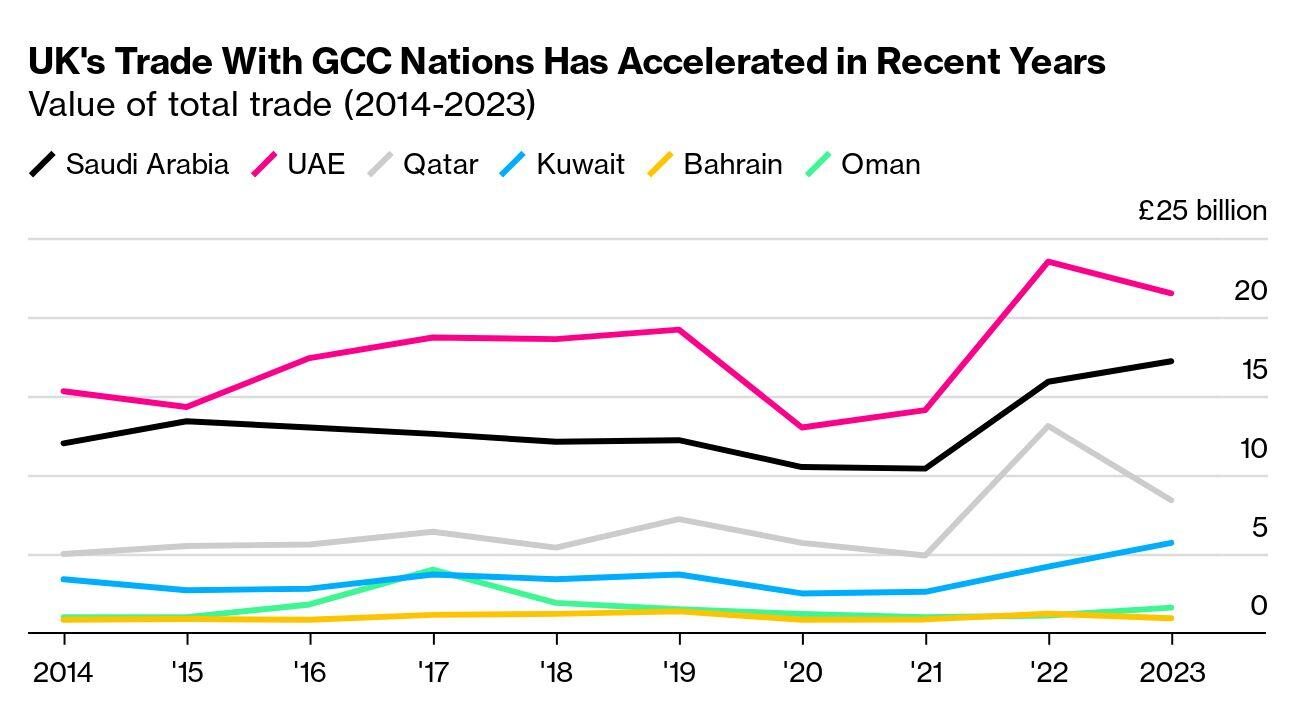
The UK-Gulf trade deal is expected to increase trade volume between Britain and Gulf states over the next several years if implementation progresses smoothly.
British Businesses Seek Faster Market Access
Business organizations across the United Kingdom welcomed the agreement and called for rapid implementation measures.
Exporters believe the partnership could simplify market access while reducing trade barriers for British companies entering Gulf consumer markets.
Industries expected to benefit include automotive manufacturing, luxury retail, pharmaceuticals, financial consulting, construction engineering, and education services.
Small and medium-sized businesses may also benefit from increased trade activity if the agreement creates more competitive export opportunities.
“Businesses are searching for stability and expansion opportunities, and this agreement offers both,”
an international commerce advisor explained.
Historical Trade Relations Between Britain and the Gulf
Britain and Gulf nations have maintained economic and diplomatic relationships for decades. Historically, trade ties focused heavily on energy exports and military cooperation. However, modern economic relationships have evolved significantly in recent years.
The UK-Gulf trade deal reflects a transition toward broader economic cooperation involving technology, finance, tourism, renewable energy, and infrastructure development.
Historical Cycles of UK-Gulf Economic Relations
| Period | Primary Economic Focus | Strategic Importance |
|---|---|---|
| 1970s–1980s | Oil and Energy Cooperation | Energy Security |
| 1990s | Defense and Infrastructure | Regional Stability |
| 2000s | Banking and Real Estate | Financial Expansion |
| 2010s | Technology and Tourism | Economic Diversification |
| 2020s | Renewable Energy and AI | Long-Term Economic Growth |
Economists believe the current partnership represents the most diversified stage in UK-Gulf economic relations to date.
Critics Raise Ethical and Regulatory Concerns
Despite optimism surrounding the agreement, some critics continue raising concerns regarding labor standards, regulatory transparency, and human rights issues in parts of the Gulf region.
Advocacy organizations argue that international agreements should include stronger accountability measures and oversight provisions.
British officials responded by emphasizing that long-term diplomatic engagement can encourage stability, cooperation, and economic modernization.
The UK-Gulf trade deal is expected to face continued political debate as implementation progresses through regulatory review processes.
UK-Gulf Trade Agreement 2026
| Category | Details |
|---|---|
| Agreement Value | £3.7 Billion |
| Countries Included | UK, Saudi Arabia, UAE, Qatar, Kuwait, Bahrain, Oman |
| Main Industries | Energy, Finance, Technology, Infrastructure |
| Strategic Focus | Trade Expansion and Investment |
| Economic Objective | Long-Term Growth and Diversification |
| Region | Gulf Cooperation Council (GCC) |
| Expected Impact | Increased Exports and Investment |
Why Global Investors Are Watching the Deal Closely
International investors continue monitoring the agreement because Gulf sovereign wealth funds remain among the largest sources of global capital investment.
Many Gulf governments are rapidly investing in artificial intelligence, renewable energy, logistics, tourism, and digital infrastructure.
The UK-Gulf trade deal could help Britain attract additional capital at a time when global competition for foreign investment continues intensifying.
Analysts believe the agreement may also improve Britain’s position in future international trade negotiations by strengthening economic partnerships outside Europe.
Economic Outlook for 2026 and Beyond
Experts believe the agreement could generate long-term economic benefits if implementation remains consistent and trade barriers are reduced effectively.
Businesses on both sides are expected to pursue new partnerships involving technology development, financial services, education programs, and infrastructure construction.
The UK-Gulf trade deal may eventually become one of Britain’s most important post-Brexit economic partnerships depending on future investment flows and trade performance.
Several economists believe international agreements of this scale will become increasingly important as countries compete for capital investment and strategic market access.
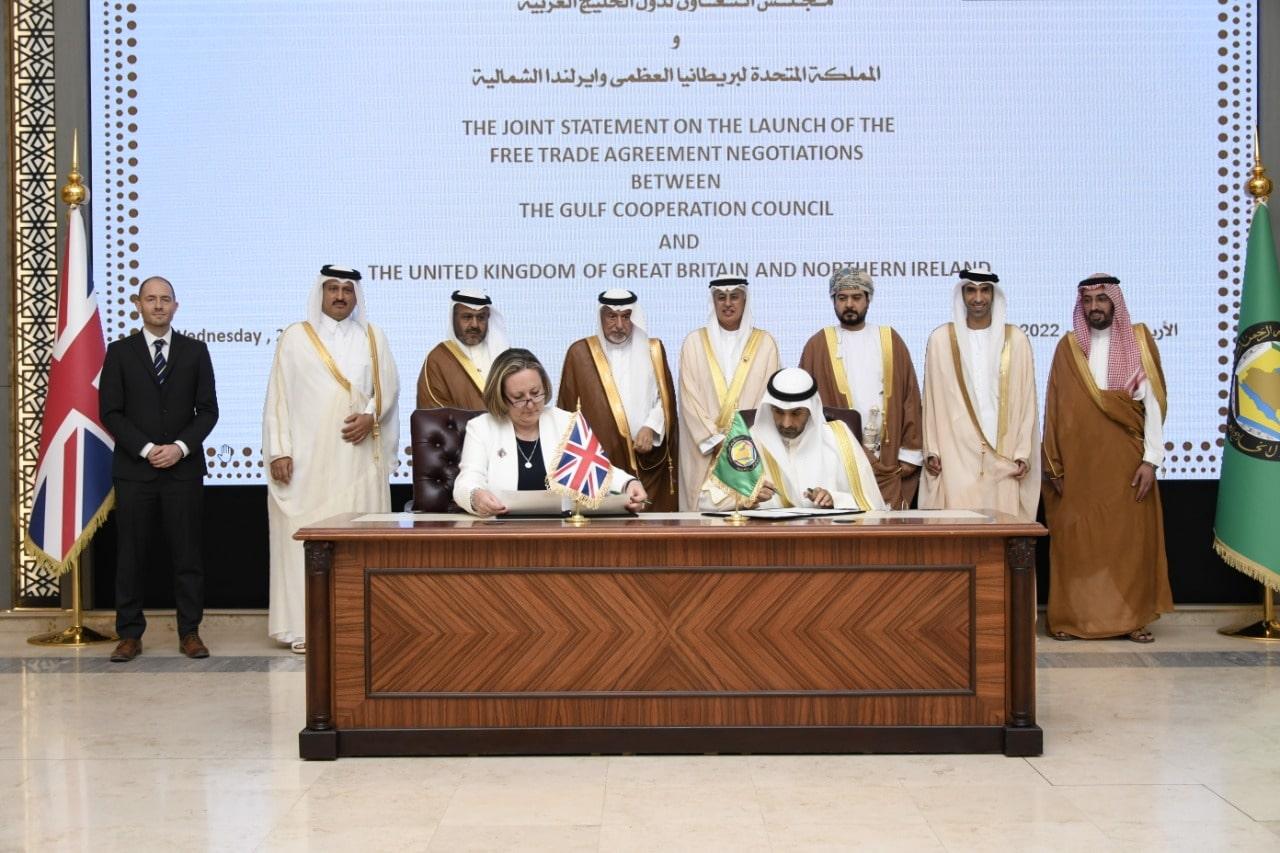
The £3.7 billion agreement between Britain and six Gulf states marks a major development in global trade and investment cooperation during 2026. The partnership reflects Britain’s broader effort to strengthen international economic relationships while expanding access to rapidly growing Middle Eastern markets.
Supporters believe the agreement could improve exports, attract foreign investment, and strengthen long-term economic growth. Critics continue questioning regulatory and ethical concerns, but the financial significance of the agreement remains difficult to ignore.
As implementation moves forward, the UK-Gulf trade deal is expected to influence global investment trends, energy cooperation, and Britain’s long-term economic strategy for years to come.