

Samsung Electronics shares climbed after a tentative labor agreement suspended strike activity in South Korea.
Investors responded positively as concerns over semiconductor production disruptions eased.
Analysts say stable manufacturing operations could strengthen the company’s market outlook in 2026.
SEOUL, South Korea (Parliament Politics Magazine) Samsung Electronics shares moved higher in trading after a tentative labor agreement reportedly suspended strike activity, easing investor concerns surrounding semiconductor production and global technology supply chains. The positive market reaction highlighted the critical role Samsung Electronics plays within the worldwide electronics and semiconductor industry.
Financial analysts said the development provided short-term stability for investors who had been monitoring the risk of manufacturing disruptions during a period of growing demand for artificial intelligence infrastructure and advanced semiconductor production.
The labor agreement temporarily reduced fears that large-scale disruptions could impact the company’s manufacturing output and international customer deliveries.
“Markets tend to react quickly when supply chain risks begin to stabilize,”
one Asia-based technology analyst said following the announcement.
Samsung and Semiconductor Market Trends
| Industry Indicator | 2026 Outlook |
|---|---|
| Semiconductor Demand | Increasing globally |
| AI Infrastructure Growth | Expanding rapidly |
| Electronics Manufacturing | Strong production levels |
| Technology Export Activity | Rising in Asia |
| Semiconductor Investment | Multi-billion-dollar expansion |
| Global Chip Competition | Intensifying worldwide |
Investors Respond Positively to Labor Stability
The movement in Samsung Electronics shares reflected broader investor confidence after labor tensions appeared to ease within one of the world’s most important technology manufacturers.
Samsung remains deeply integrated into global production of:
- Memory chips
- Smartphones
- AI hardware systems
- Consumer electronics
- Semiconductor infrastructure
Because of the company’s size and influence, labor disputes involving Samsung often attract international market attention.
The suspension of strike activity helped calm fears surrounding:
- Production delays
- Semiconductor shortages
- Export disruptions
- Revenue pressure
Analysts believe operational stability is becoming increasingly important as demand for advanced technology hardware accelerates worldwide.
Semiconductor Industry Watching Closely
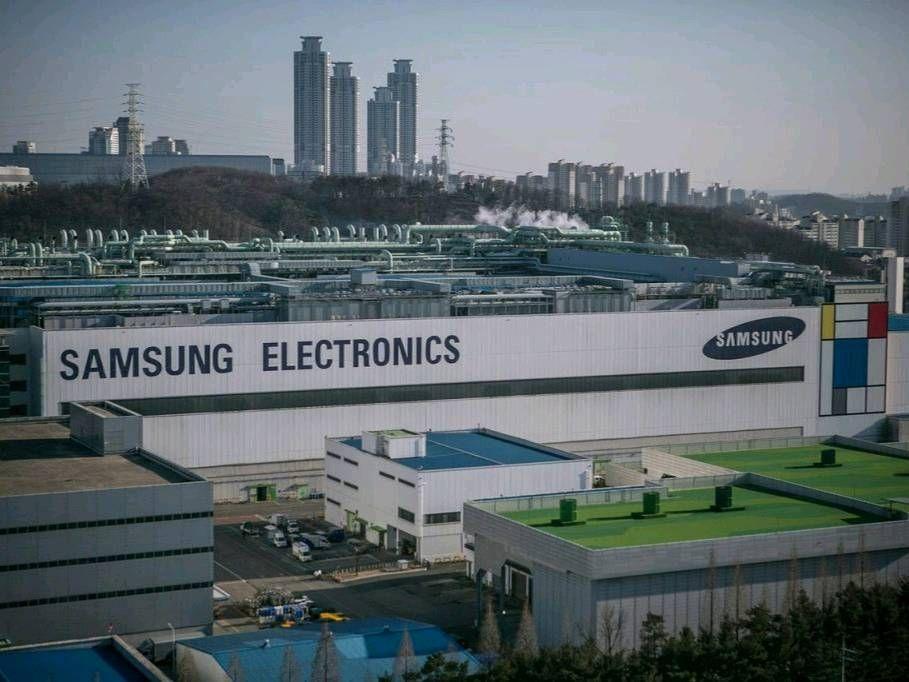
The broader semiconductor industry closely monitored the rise in Samsung Electronics shares because Samsung remains one of the largest chip manufacturers globally.
Its semiconductor operations support:
- Artificial intelligence systems
- Data centers
- Cloud infrastructure
- Automotive electronics
- Mobile devices
Industry experts say even short-term disruptions at Samsung facilities could have affected technology supply chains across multiple sectors.
The easing of labor tensions therefore provided reassurance to manufacturers and investors dependent on consistent semiconductor output.
“The semiconductor industry depends heavily on operational continuity,”
one market consultant noted.
AI Demand Increasing Pressure on Chip Production
Artificial intelligence growth continues reshaping global semiconductor markets in 2026.
AI systems require:
- High-performance memory chips
- Advanced processors
- Massive data center infrastructure
- Energy-efficient semiconductor solutions
Samsung remains one of the companies positioned at the center of this rapidly expanding market.
The movement in Samsung Electronics shares reflects how investors increasingly connect semiconductor manufacturing capacity to long-term AI industry growth.
Technology firms worldwide are aggressively competing to secure chip supplies needed for next-generation AI applications.
South Korea’s Economy Closely Linked to Samsung
Samsung Electronics remains one of the most influential companies within South Korea’s economy.
The company contributes significantly to:
- Technology exports
- Manufacturing employment
- Semiconductor production
- International trade activity
As a result, developments affecting Samsung Electronics shares are often viewed as indicators of broader technology sector confidence within Asia.
South Korea’s economy remains heavily dependent on advanced electronics and semiconductor exports, making Samsung’s operational stability particularly important.
Government officials and economic analysts continue monitoring semiconductor trends closely because of their impact on regional growth forecasts.
Global Technology Stocks React to Semiconductor Outlook
The positive movement in Samsung Electronics shares also influenced broader technology market sentiment.
Technology investors continue watching semiconductor manufacturers closely because modern industries increasingly depend on advanced chip production.
Semiconductors now power:
- AI systems
- Electric vehicles
- Smartphones
- Telecommunications networks
- Industrial automation
The semiconductor sector has become one of the most strategically important industries in the global economy.
Analysts say stable production capacity could help support broader technology market growth during the coming years.
Historical Growth of Samsung Electronics
Samsung’s rise from a regional electronics producer to a global technology leader occurred over several decades of expansion and innovation.
Historical Cycles of Samsung Electronics Growth
| Period | Major Development | Industry Impact |
|---|---|---|
| 1980s | Consumer electronics expansion | International export growth |
| 1990s | Semiconductor manufacturing growth | Global memory chip leadership |
| 2000s | Smartphone industry expansion | Mobile technology dominance |
| 2010s | Advanced semiconductor leadership | AI infrastructure support |
| Early 2020s | Supply chain challenges | Increased chip demand |
| 2026 | Labor stabilization efforts | Investor confidence recovery |
The current movement in Samsung Electronics shares reflects how central the company has become to global technology infrastructure.
Semiconductor Competition Intensifies Globally
The semiconductor industry continues facing increasing global competition.
Manufacturers across:
- South Korea
- Taiwan
- United States
- China
- Japan
are investing aggressively in advanced chip production facilities and next-generation semiconductor technologies.
The performance of Samsung Electronics shares is therefore being watched as part of a larger global race for semiconductor dominance.
Governments worldwide increasingly view chip manufacturing as both an economic and national security priority.
Investors Monitoring Future Labor Negotiations
While the tentative agreement reduced immediate tensions, analysts say investors will continue monitoring future labor discussions carefully.
Potential concerns include:
- Wage pressures
- Manufacturing costs
- Operational efficiency
- Workforce stability
Labor relations are becoming increasingly important within advanced manufacturing industries facing rising global competition and technological complexity.
Still, the recent rise in Samsung Electronics shares suggests investors currently believe near-term production stability remains intact.
“Stable manufacturing operations remain one of the strongest signals investors look for,”
one investment strategist said.

Market Outlook for Technology Sector
The broader outlook for semiconductor and technology companies remains closely tied to:
- AI infrastructure demand
- Consumer electronics sales
- Cloud computing growth
- Automotive technology expansion
Samsung remains positioned as one of the key companies supporting these rapidly expanding sectors.
Analysts believe semiconductor demand could continue increasing significantly during the next decade as digital infrastructure becomes more advanced and AI adoption accelerates globally.
