

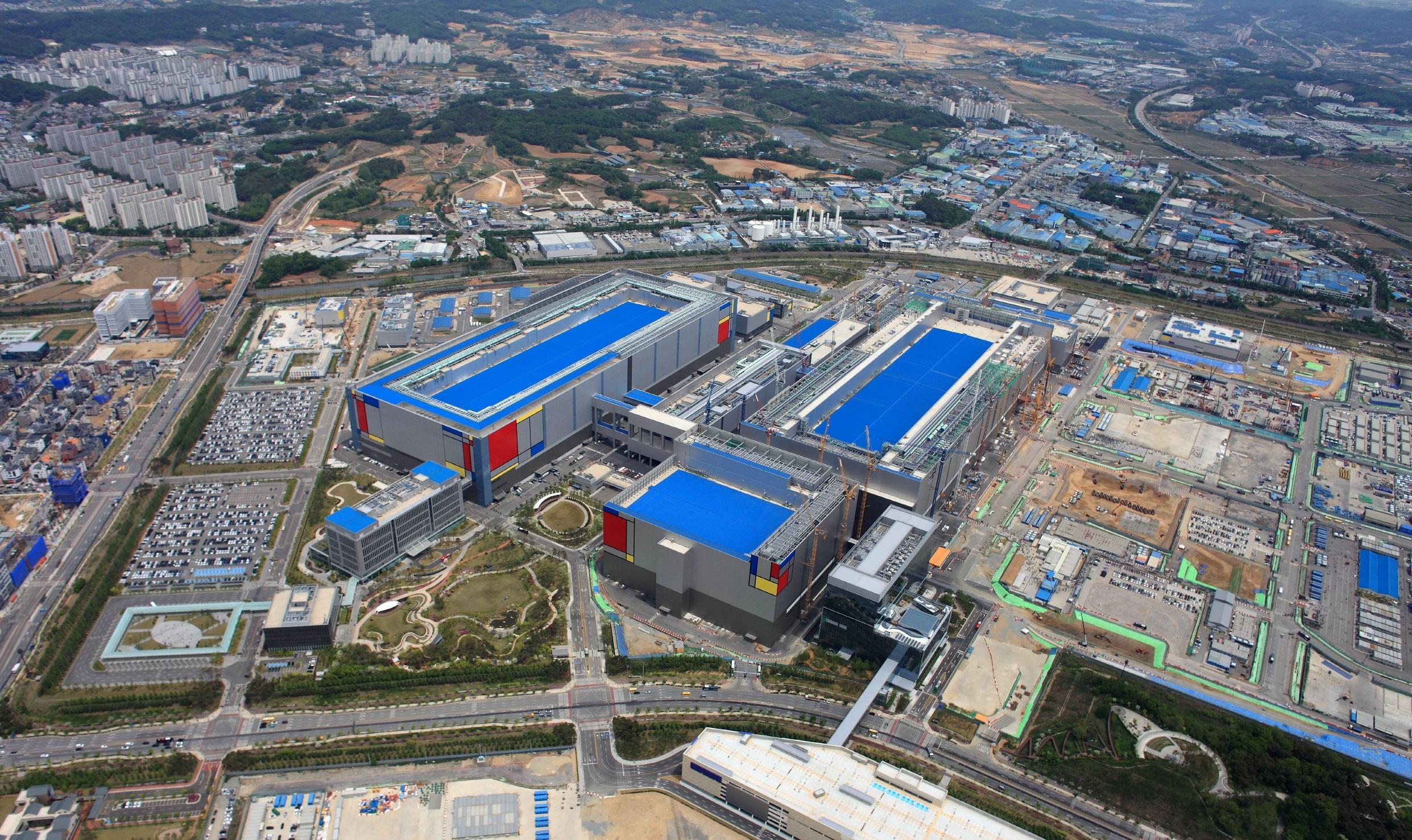
South Korea is reviewing emergency economic measures tied to labor tensions affecting Samsung factory operations in 2026.
Semiconductor production concerns are raising alarms across global technology and AI supply chains.
Analysts warn prolonged disruptions could impact exports, investor confidence, and electronics manufacturing worldwide.
Samsung factory operations are facing increased scrutiny in South Korea as government officials and global technology markets closely monitor labor tensions involving the country’s largest electronics manufacturer.
Seoul, South Korea (Parliament Politics Magazine)Concerns surrounding Samsung Electronics have intensified after labor disputes raised fears about potential disruptions to semiconductor production and electronics exports. South Korean officials are reportedly reviewing emergency economic measures aimed at limiting broader industrial and financial impacts if manufacturing instability expands further.
Samsung remains one of the world’s most influential semiconductor producers, supplying memory chips, smartphones, AI hardware, and consumer electronics products to markets across the globe. Any disruption involving Samsung factory operations could therefore affect multiple industries dependent on stable semiconductor supply chains.
Technology analysts say the current situation reflects broader vulnerabilities facing global manufacturing systems during a period of rising geopolitical uncertainty and surging demand for advanced chips.
“Semiconductor manufacturing has become one of the most strategically sensitive industries in the global economy,”
one Seoul-based market strategist said.
Government Reviews Emergency Industrial Measures
South Korean authorities are evaluating potential contingency plans designed to protect manufacturing continuity and economic stability if labor negotiations worsen.
Officials remain particularly concerned about export performance because semiconductors represent one of South Korea’s largest economic sectors.
The growing attention surrounding Samsung factory operations has increased pressure on policymakers to ensure production stability while balancing labor concerns and investor confidence.
Some analysts believe emergency responses could include logistical coordination, industrial support programs, and financial market stabilization efforts if semiconductor output declines significantly.
The government is also monitoring international reactions because many multinational corporations rely heavily on Samsung components for consumer electronics, cloud infrastructure, and artificial intelligence systems.
Why Samsung Is Critical to the Global Technology Economy
Samsung Electronics plays a major role in global semiconductor production and advanced electronics manufacturing. The company produces memory chips used in smartphones, AI servers, laptops, gaming systems, cloud data centers, and industrial computing infrastructure.
Because of its scale, Samsung factory operations are closely tied to international supply chain performance and global electronics pricing.
South Korea’s economy also depends heavily on technology exports, making semiconductor production stability essential for economic growth and employment.
Industry experts warn that prolonged production disruptions could influence everything from AI infrastructure expansion to smartphone manufacturing schedules.
Global technology companies continue increasing semiconductor demand as artificial intelligence systems require more advanced processing capabilities.
Semiconductor Markets Face New Supply Chain Concerns
The semiconductor industry has already experienced years of instability linked to global shortages, geopolitical conflicts, rising AI demand, and logistics disruptions.
Now, uncertainty surrounding Samsung factory operations is adding another layer of risk to an already fragile supply environment.
Samsung remains one of the largest suppliers of memory semiconductors worldwide, meaning even short-term disruptions may affect downstream industries.
Technology firms dependent on Samsung hardware are reportedly monitoring inventory levels and evaluating alternative sourcing strategies.
Some market analysts believe prolonged instability could contribute to semiconductor price volatility and delayed production schedules for electronics manufacturers worldwide.
“The semiconductor industry operates on highly synchronized supply chains,”
an international technology economist explained.
“Even small operational disruptions can spread rapidly across global markets.”
Labor Tensions Highlight Workforce Challenges
Labor unions involved in the dispute are reportedly seeking higher wages, stronger employee protections, and expanded representation within the company.
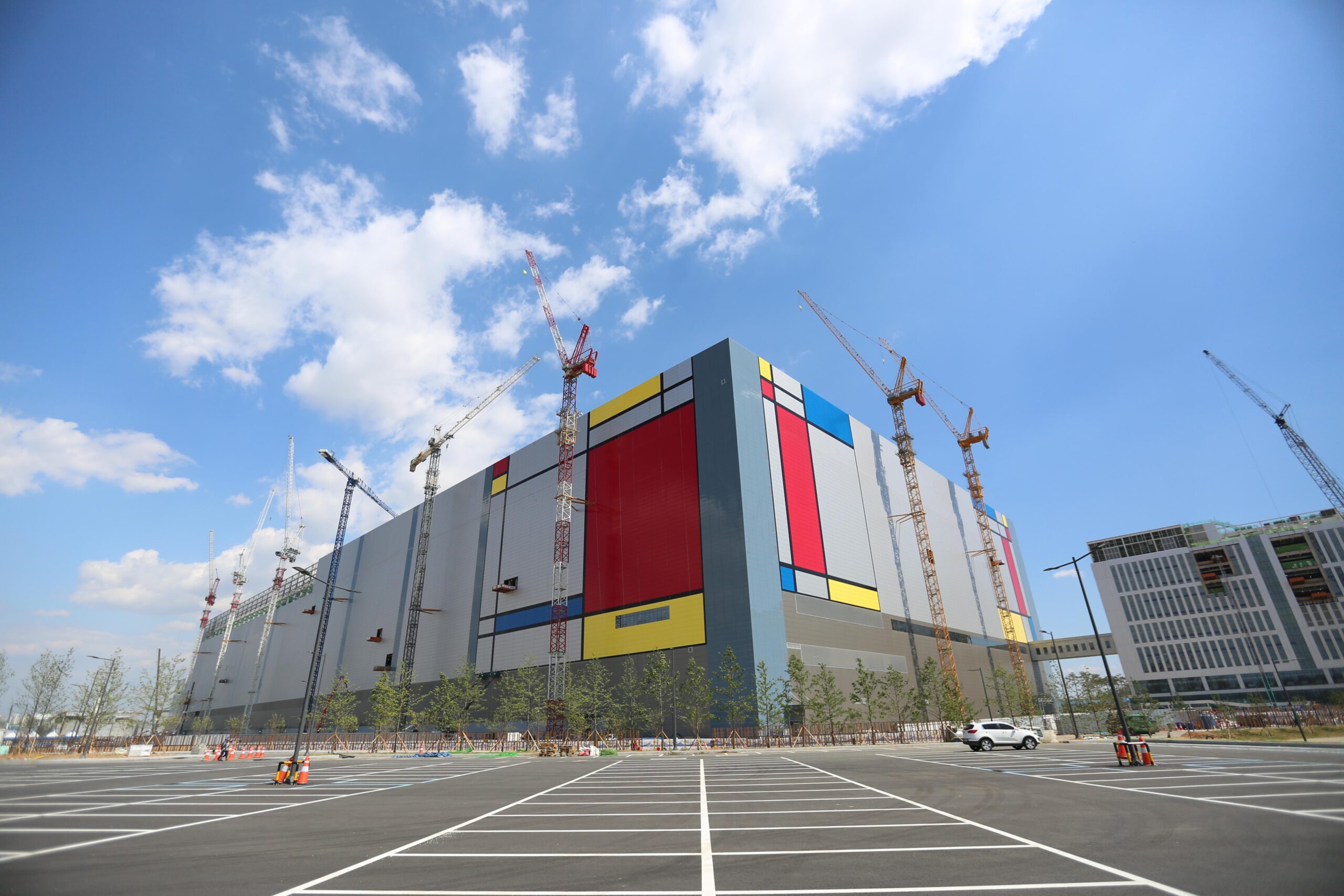
The growing attention surrounding Samsung factory operations reflects wider global debates regarding labor conditions in advanced manufacturing industries.
Workers argue that semiconductor companies benefiting from rising AI-driven demand and expanding technology revenues should improve compensation and workplace standards.
Some labor analysts believe the dispute may encourage broader discussions surrounding workforce sustainability within the global technology sector.
The issue also highlights how highly skilled manufacturing labor remains essential despite increasing automation across semiconductor factories.
AI Expansion Increases Pressure on Chip Production
Artificial intelligence growth continues driving massive demand for semiconductors capable of supporting machine learning systems and cloud computing infrastructure.
Samsung products are heavily used inside AI servers, enterprise cloud systems, and advanced computing platforms.
Because of this, concerns involving Samsung factory operations are extending beyond traditional electronics markets into the rapidly expanding artificial intelligence economy.
Major cloud providers and technology firms continue investing billions into AI infrastructure, increasing pressure on semiconductor manufacturers to maintain uninterrupted production.
Some experts warn that prolonged manufacturing disruptions could slow AI deployment timelines and increase hardware costs globally.
“Artificial intelligence demand is accelerating faster than many supply chains can comfortably handle,”
a regional semiconductor analyst said.
Historical Cycles of Manufacturing and Labor Conflicts
Historical Cycles Table
| Period | Industrial Issue | Economic Impact |
|---|---|---|
| 1970s | Automotive labor strikes | Factory slowdowns and export losses |
| 1980s | Electronics manufacturing disputes | Semiconductor market disruptions |
| 2000s | Global outsourcing tensions | Supply chain restructuring |
| 2020s | Semiconductor workforce challenges | AI and electronics production risks |
Samsung Industry Influence 2026
Data Snapshot
- Company: Samsung Electronics
- Country: South Korea
- Industry Focus: Semiconductors and Electronics
- Main Concern: Production continuity
- Global Risk Area: Semiconductor supply chains
- Economic Importance: Exports and technology investment
- AI Impact: Cloud infrastructure and AI hardware demand
- Current Focus: Labor negotiations and factory stability
Investors Watch South Korea’s Technology Sector Closely
Financial markets are paying close attention to developments involving Samsung because the company remains one of Asia’s largest technology firms.
The growing uncertainty surrounding Samsung factory operations may influence investor sentiment toward semiconductor markets and South Korea’s broader industrial sector.
International investors continue viewing South Korea as a critical hub for advanced electronics manufacturing and AI infrastructure development.
Some economists believe the dispute could encourage greater investment in manufacturing automation as companies seek to reduce operational vulnerabilities.
Others argue that improved labor agreements may strengthen long-term industrial stability and workforce retention.
Global Electronics Industry Faces Growing Dependence on AI Chips
Demand for semiconductors continues rising due to expansion in AI systems, autonomous technologies, cloud computing services, and advanced consumer electronics.
The focus on Samsung factory operations demonstrates how essential semiconductor manufacturing has become for the modern global economy.
Technology firms across the United States, Europe, China, and Asia are all competing for stable access to advanced processors.
Experts say semiconductor production capacity could become one of the most strategically important economic issues of the decade.
Countries worldwide are therefore increasing investment in domestic chip manufacturing and industrial resilience programs.
South Korea Balances Economic Stability and Labor Rights
South Korean officials face a complex challenge involving labor negotiations, economic protection, and international investor confidence.
The current focus on Samsung factory operations may influence future industrial policy discussions regarding workforce conditions, automation, and supply chain security.
Authorities are attempting to prevent deeper disruptions while also respecting labor rights and maintaining South Korea’s reputation as a stable technology manufacturing center.
Some analysts believe the outcome of the dispute may shape future labor relations across the broader semiconductor industry.
Semiconductor Stability Remains Critical
South Korea’s response to concerns surrounding Samsung highlights the growing importance of semiconductor manufacturing within the global economy.
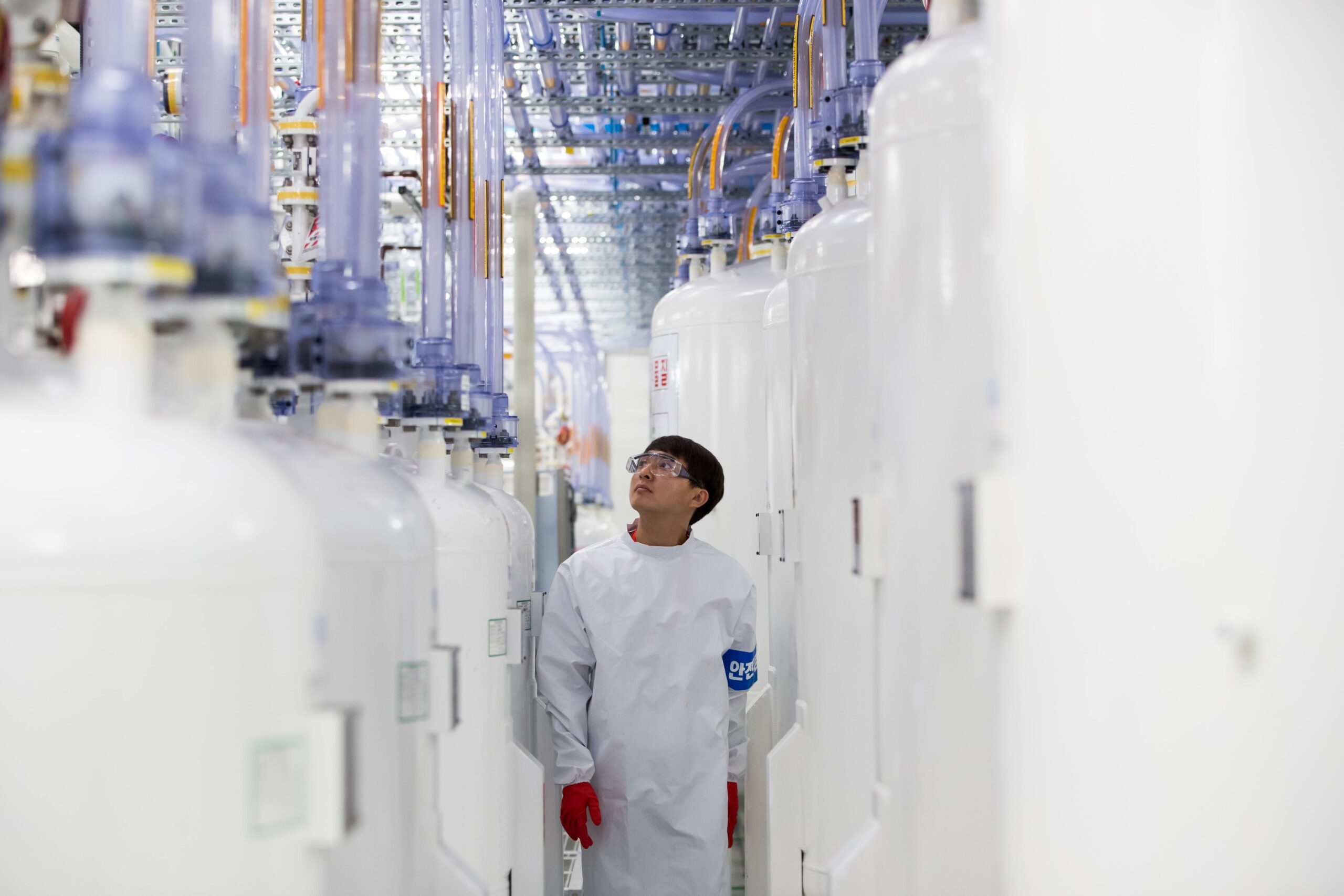
The attention on Samsung factory operations demonstrates how labor disputes involving major technology firms can rapidly affect supply chains, investor confidence, and international markets.
As artificial intelligence demand continues accelerating, stable semiconductor production is becoming increasingly critical for economic growth and technology development worldwide.
The outcome of the situation may influence future industrial strategies, workforce policies, and semiconductor investment decisions across the global technology sector.
