

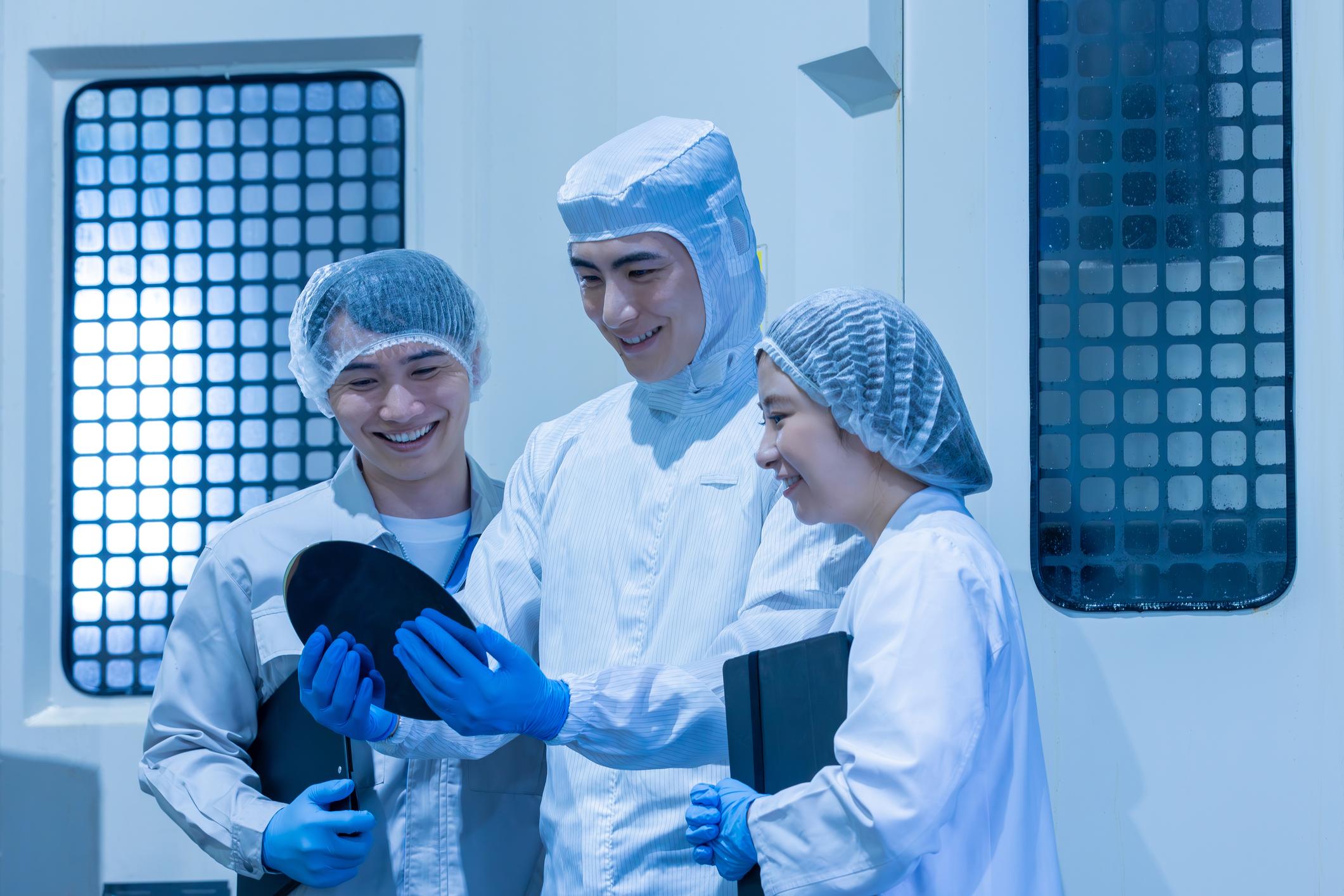
Samsung labor negotiations are entering a major stage as employees vote on a proposed wage agreement in South Korea.
The outcome could affect semiconductor production stability during rising global AI demand.
Investors and labor analysts are closely monitoring Samsung’s workforce negotiations throughout 2026.
SEOUL, South Korea (Parliament Politics Magazine) Samsung labor negotiations have entered a decisive phase as thousands of employees across Samsung operations begin voting on a proposed wage agreement that could influence labor relations across the global semiconductor and technology industries.
The vote follows extended discussions between company management and labor representatives involving compensation, workplace conditions, bonuses, and long-term employee benefits. The negotiations arrive during a critical period for the semiconductor sector as artificial intelligence demand continues driving historic growth in advanced chip manufacturing and data center expansion.
Industry analysts say the latest developments highlight broader labor challenges facing global technology companies attempting to balance operational costs, investor expectations, and workforce demands during a rapidly changing economic environment.
Samsung Labor Negotiations 2026
| Category | Current Status |
|---|---|
| Worker Vote | Ongoing |
| Industry Sector | Semiconductor & Electronics |
| Key Focus | Wages and Benefits |
| AI Industry Impact | High |
| Semiconductor Demand | Elevated |
| Global Market Attention | Significant |
Wage Discussions Reflect Global Economic Pressures
The latest Samsung labor negotiations are unfolding at a time when inflation, rising living costs, and expanding corporate investment have increased pressure on multinational companies to improve employee compensation packages.
Workers across manufacturing and technology sectors worldwide continue demanding higher wages and stronger workplace protections as companies report significant revenue growth tied to artificial intelligence infrastructure and semiconductor expansion.
Samsung employees participating in the vote are evaluating proposed compensation adjustments that may influence future labor agreements across South Korea’s technology sector.
Labor economists note that semiconductor manufacturing companies are facing increasing competition for skilled technical workers capable of supporting advanced chip production.
“Technology companies are under enormous pressure to retain highly skilled workers while maintaining profitability,”
one labor market analyst explained.
Samsung Remains Critical to Global Semiconductor Supply Chains
Samsung Electronics remains one of the world’s largest semiconductor and electronics manufacturers, producing memory chips, smartphones, processors, televisions, and advanced computing technologies used across global markets.
Because Samsung plays a major role in semiconductor manufacturing, the outcome of the ongoing Samsung labor negotiations is receiving close attention from investors, governments, and technology companies worldwide.
The semiconductor industry has become increasingly important to artificial intelligence systems, cloud computing infrastructure, automotive technologies, and national economic security strategies.
Any prolonged labor instability inside Samsung operations could potentially influence supply chains tied to electronics manufacturing and semiconductor production.
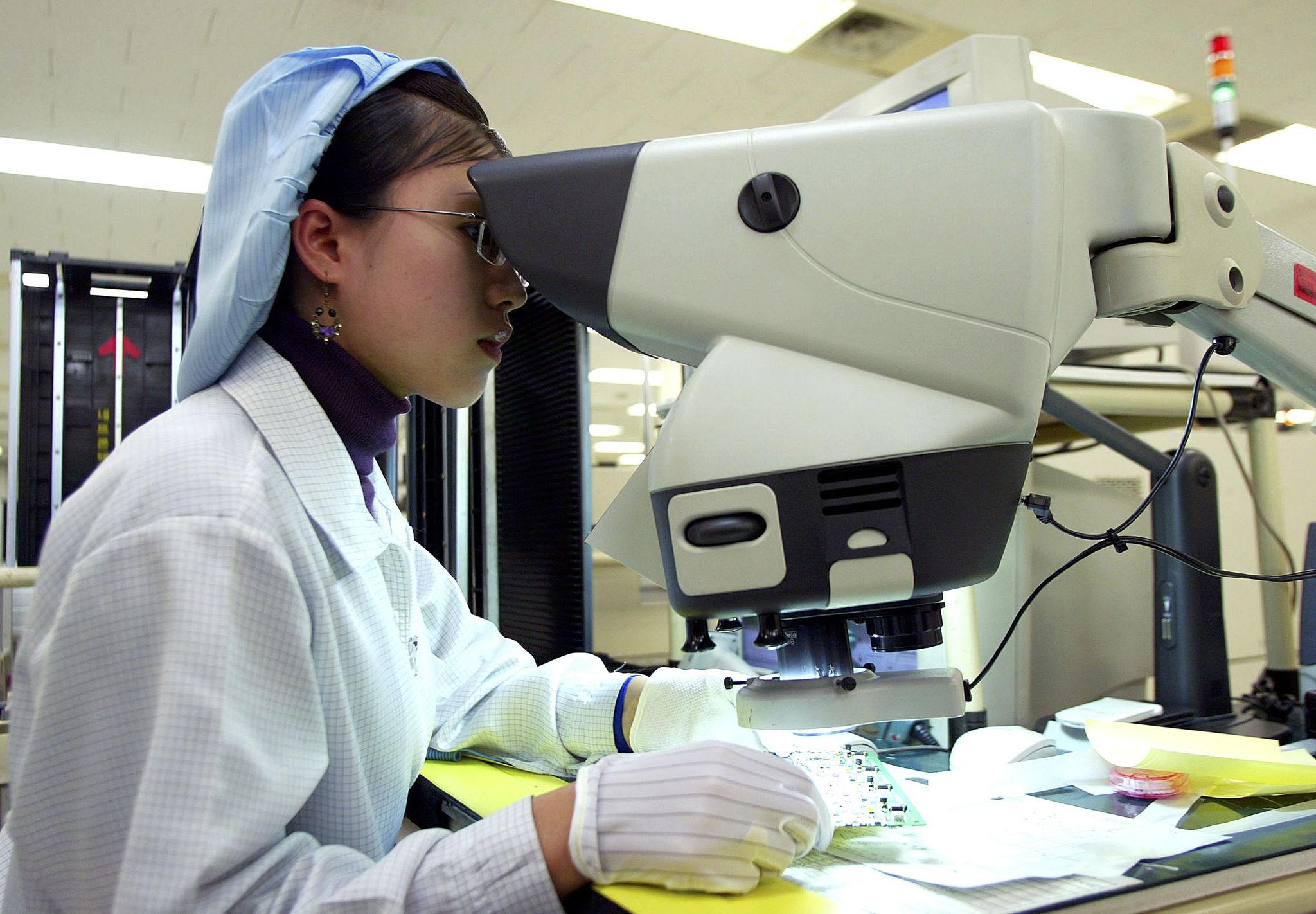
Artificial Intelligence Boom Raises Workforce Expectations
The rapid expansion of AI infrastructure investment has increased pressure on major semiconductor companies to expand production while managing rising labor expectations.
The current Samsung labor negotiations are taking place during one of the strongest semiconductor growth cycles in decades. Technology companies worldwide continue investing billions into AI data centers, cloud infrastructure, and advanced computing systems requiring powerful semiconductor hardware.
Workers inside the semiconductor industry increasingly expect compensation improvements as demand for advanced processors and AI-related technologies continues climbing.
Industry observers say the AI boom has permanently changed the importance of semiconductor manufacturing inside the global economy.
Employee Vote May Influence Broader Technology Sector
The outcome of the ongoing Samsung labor negotiations may influence future wage discussions and labor policies across other major technology manufacturers in Asia and international markets.
South Korea remains one of the world’s most important semiconductor production hubs, making labor stability a critical concern for global technology investors and supply chain managers.
If workers approve the proposed agreement, Samsung may avoid further labor disruptions while maintaining stable manufacturing operations during a period of rising semiconductor demand.
If the proposal fails, additional negotiations or labor actions could emerge later in 2026.
Semiconductor Manufacturing Costs Continue Rising
Advanced semiconductor fabrication remains one of the most expensive manufacturing industries globally.
The latest Samsung labor negotiations are occurring while companies continue investing billions into advanced chip fabrication facilities, AI processor technologies, and next-generation computing infrastructure.
Modern semiconductor manufacturing requires highly specialized engineering expertise, expensive production equipment, and enormous energy consumption. Companies must carefully balance workforce compensation with rising operational costs and long-term infrastructure investments.
Technology firms worldwide are now competing aggressively for skilled semiconductor engineers, software developers, and manufacturing specialists.
“Semiconductor companies are no longer competing only on technology,”
one industry strategist said.
“They are competing for talent, manufacturing capacity, and workforce stability.”
South Korea Strengthens Technology Industry Position
South Korea continues positioning itself as a global leader in semiconductors, consumer electronics, and advanced manufacturing technologies.
The ongoing Samsung labor negotiations highlight how critical workforce stability has become to maintaining national competitiveness in technology markets increasingly dominated by artificial intelligence and cloud computing growth.
Governments worldwide are investing heavily in domestic semiconductor production to reduce dependence on overseas manufacturing and strengthen supply chain security.
Samsung’s role in South Korea’s economy extends far beyond electronics production, making labor stability especially important for economic confidence and export growth.
Historical Labor Cycles in the Semiconductor Industry
The semiconductor sector has experienced several major labor and production shifts during periods of rapid technology growth. Analysts believe artificial intelligence may now be creating another transformational cycle impacting workforce expectations and manufacturing expansion.
Historical Cycles Table
| Era | Technology Trend | Labor Impact |
|---|---|---|
| 1980s | Consumer electronics growth | Factory hiring expanded |
| 1990s | Internet boom | Global manufacturing growth |
| 2000s | Smartphone revolution | Semiconductor demand surged |
| 2010s | Cloud computing | Skilled labor shortages increased |
| 2020s | Artificial intelligence expansion | Wage pressure and labor negotiations intensified |
Experts believe semiconductor labor demand could remain elevated for years if AI investment continues accelerating worldwide.
Investors Closely Monitor Labor Stability
Global financial markets are closely watching the latest Samsung labor negotiations due to Samsung’s enormous influence over semiconductor manufacturing and international technology supply chains.
Technology investors increasingly view workforce stability as a major factor influencing production efficiency, operational reliability, and long-term profitability.
Companies experiencing labor disputes or manufacturing disruptions may face supply delays during periods of elevated semiconductor demand.
Analysts say stable labor agreements are becoming increasingly important as AI-driven investment accelerates across the technology industry.
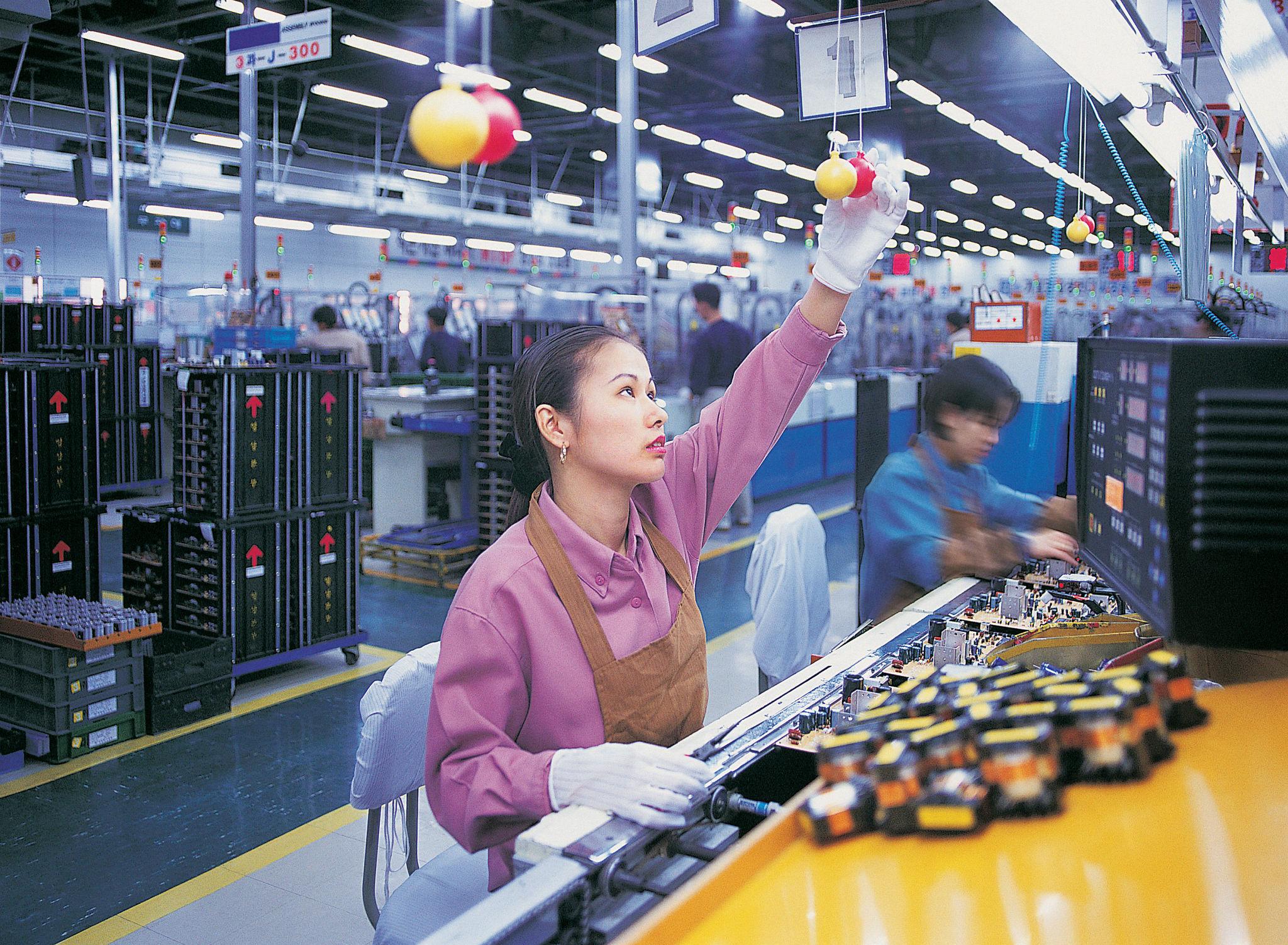
AI Infrastructure Growth Continues Accelerating
Artificial intelligence remains one of the largest drivers behind semiconductor investment worldwide.
Samsung continues expanding operations tied to AI memory chips, cloud computing infrastructure, and next-generation processor technologies. The broader AI market has created one of the strongest semiconductor demand environments in modern history.
The latest Samsung labor negotiations therefore arrive during a period of extraordinary pressure on semiconductor companies to maintain stable manufacturing operations while rapidly increasing production capabilities.
“Artificial intelligence is reshaping the future of manufacturing and labor markets simultaneously,”
a technology economist stated.
