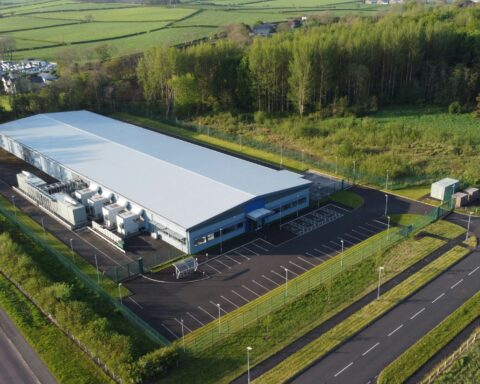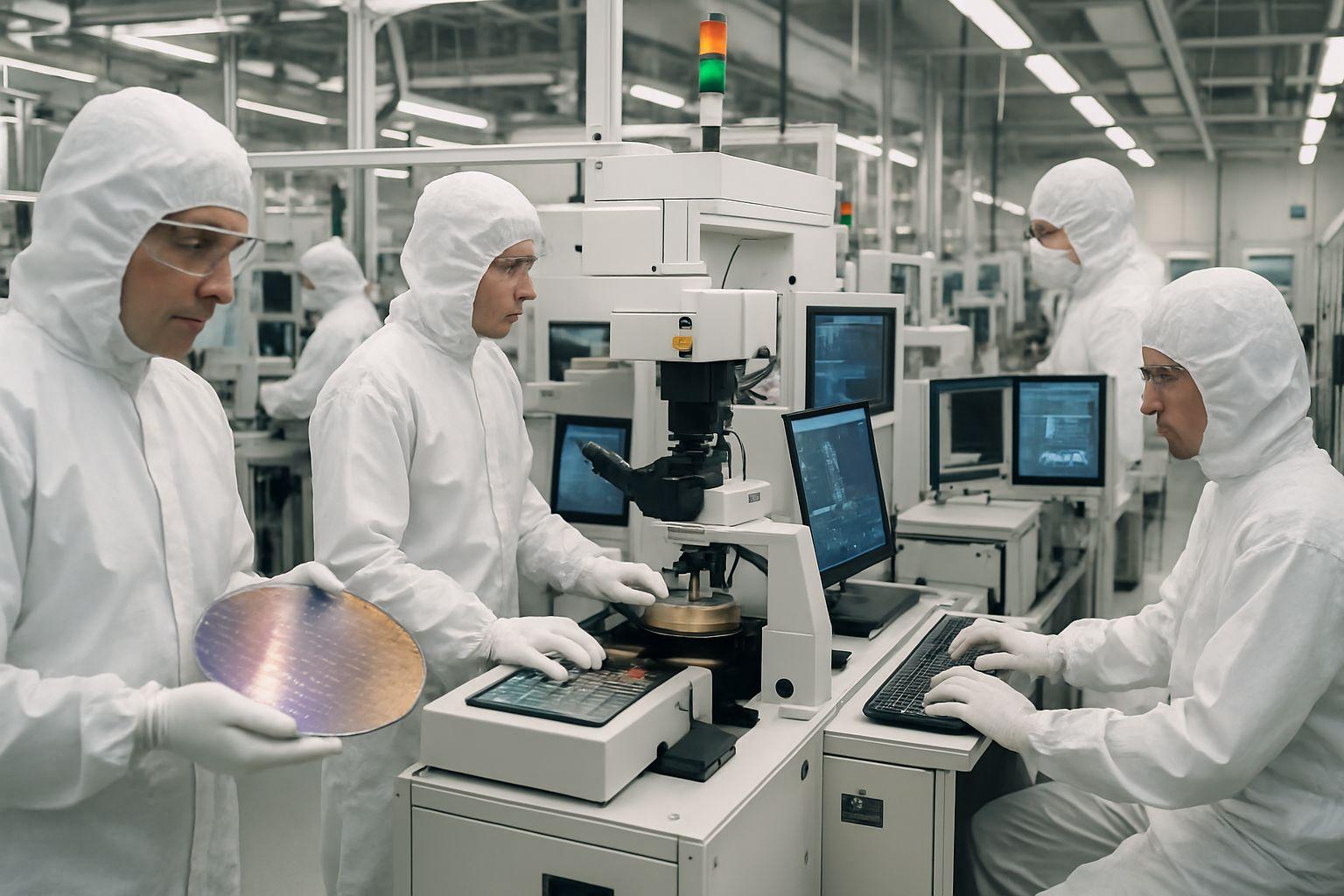
Global chip production is accelerating as AI demand drives massive semiconductor expansion worldwide.
AMD and other chipmakers are increasing manufacturing capacity to support data centers and cloud computing growth.
Semiconductor investment continues rising as governments and technology firms race to secure future AI infrastructure.
SANTA CLARA, California (Parliament Politics Magazine) global chip production is rapidly expanding as semiconductor giant Advanced Micro Devices increases pressure on manufacturing partners to scale output amid soaring demand for artificial intelligence processors, cloud computing infrastructure, and advanced data center hardware.
The semiconductor industry is entering another major growth cycle fueled by AI technologies that require unprecedented computing power. AMD CEO Lisa Su recently confirmed that the company is working closely with suppliers and manufacturing facilities to accelerate production capabilities as businesses worldwide continue investing heavily in artificial intelligence systems.
Industry analysts say the current surge in AI infrastructure spending is reshaping the global technology market faster than expected. Semiconductor companies are racing to secure fabrication capacity while governments and investors increase support for domestic manufacturing expansion.
| Category | 2026 Outlook |
|---|---|
| AI Infrastructure Spending | Rapid Growth |
| Semiconductor Demand | Elevated Worldwide |
| Data Center Expansion | Accelerating |
| Manufacturing Investments | Multi-Billion Dollar Projects |
| Advanced AI Processor Demand | Historically High |
| Cloud Computing Growth | Continuing Expansion |
AI Demand Pushes Semiconductor Industry Into New Growth Phase
The rise of artificial intelligence applications has significantly increased pressure on global chip production capabilities. Companies operating large AI systems require powerful processors capable of managing massive computational workloads, driving unprecedented demand for semiconductor hardware.
Technology companies across the world are building advanced AI data centers filled with specialized processors and accelerators designed to train and operate machine learning models. This rapid expansion has forced semiconductor firms to increase production planning and manufacturing investments at record levels.
Industry experts believe AI adoption is still in the early stages, suggesting long-term semiconductor demand could continue growing for years.
“Artificial intelligence is transforming the semiconductor market faster than most analysts predicted,”
one technology strategist said.
AMD Intensifies Competition in AI Hardware Market
AMD’s push to expand manufacturing comes during intense competition with Nvidia and other semiconductor firms fighting for dominance in AI infrastructure markets.
While Nvidia remains a major leader in AI accelerators, AMD continues aggressively growing its data center and AI processor business. The company has focused heavily on expanding advanced processor technologies capable of competing in enterprise cloud environments and next-generation AI systems.
The increasing battle between major chipmakers reflects how important global chip production has become to the future of digital economies. Semiconductor manufacturing capacity is now considered one of the most strategic industries in the world economy.
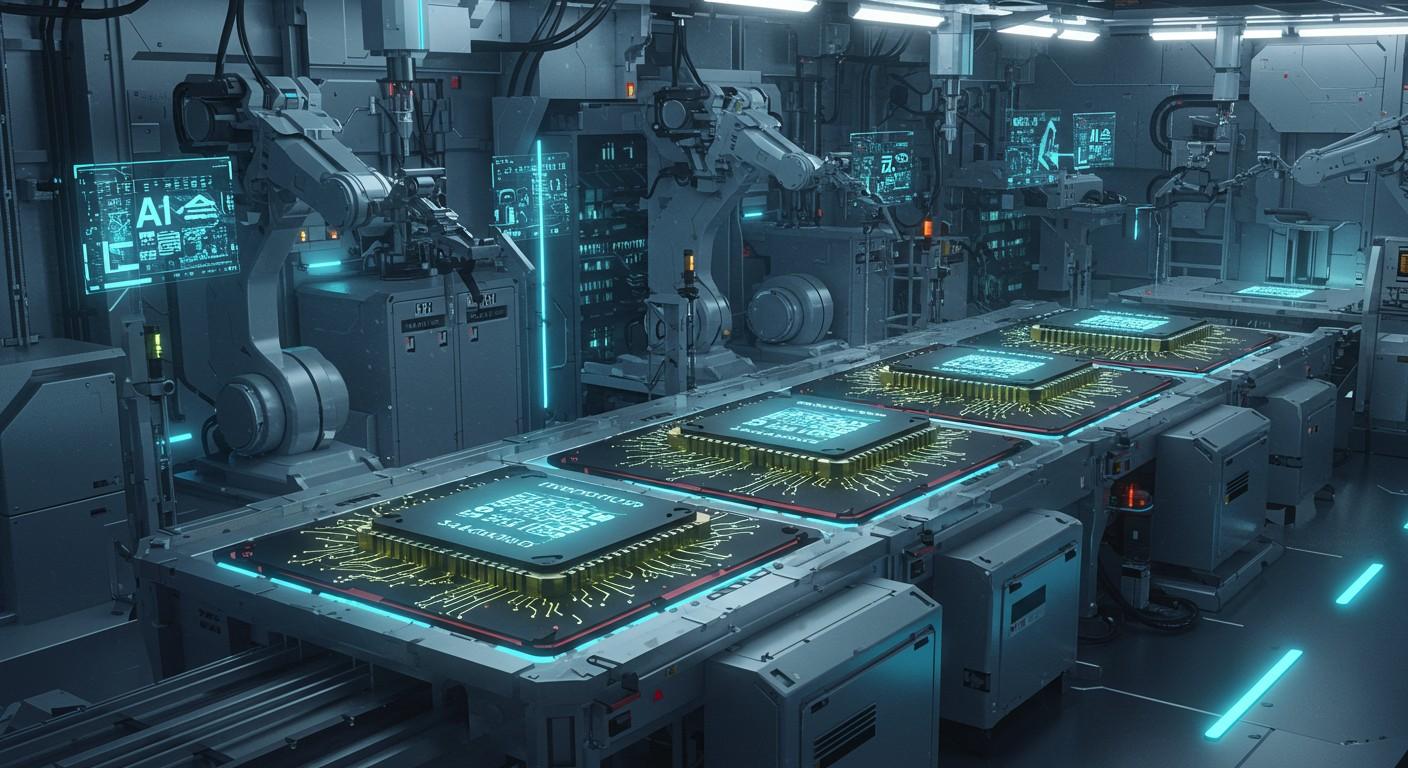
Semiconductor Manufacturing Facilities Face Heavy Pressure
Advanced semiconductor fabrication remains one of the most complicated manufacturing processes in the world. Expanding global chip production requires enormous capital investment, engineering expertise, specialized materials, and long-term infrastructure planning.
Modern AI processors rely on highly advanced manufacturing technologies involving extremely small nanometer designs that require sophisticated fabrication facilities costing billions of dollars.
Although supply chain conditions have improved compared to the shortages experienced during the pandemic era, the semiconductor industry still faces operational challenges tied to logistics, labor, energy costs, and geopolitical tensions.
Companies seeking additional manufacturing capacity must compete for limited fabrication resources while demand continues rising across multiple industries.
Cloud Computing Expansion Fuels Processor Demand
Cloud computing growth remains another major driver behind rising global chip production needs.
Major technology firms continue investing heavily in cloud infrastructure to support artificial intelligence services, enterprise automation systems, cybersecurity tools, and large-scale analytics platforms.
Data centers supporting AI workloads require significantly greater computing resources than traditional internet applications. This trend has increased demand for advanced processors capable of delivering high-speed performance with improved energy efficiency.
Semiconductor manufacturers now view AI infrastructure as one of the strongest long-term growth opportunities in the technology industry.
“The companies controlling semiconductor supply and computing power may shape the next decade of economic growth,”
an industry analyst noted.
Governments Increase Investment in Semiconductor Security
The strategic importance of global chip production has encouraged governments worldwide to invest aggressively in semiconductor independence and manufacturing resilience.
The United States, Europe, and several Asian nations continue offering incentives aimed at attracting semiconductor factories and strengthening domestic chip manufacturing capabilities.
National leaders increasingly view semiconductors as critical infrastructure necessary for economic security, military systems, artificial intelligence development, and future technological competitiveness.
The expansion of local semiconductor manufacturing has also become a geopolitical priority as countries attempt to reduce dependence on overseas supply chains.
Historical Cycles of Semiconductor Growth
The semiconductor industry has experienced multiple transformational growth periods tied to major technology shifts. Artificial intelligence now appears to be creating another historic expansion cycle for global chip production.
| Era | Primary Technology Driver | Industry Impact |
|---|---|---|
| 1980s | Personal Computing | CPU demand increased |
| 1990s | Internet Expansion | Server growth accelerated |
| 2000s | Mobile Devices | Smartphone chip boom |
| 2010s | Cloud Computing | Data center expansion |
| 2020s | Artificial Intelligence | AI processor demand surges |
Analysts believe the AI-driven cycle may become larger than previous semiconductor growth periods because nearly every industry now depends on advanced computing infrastructure.
Investors Closely Watch Semiconductor Market Signals
Financial markets continue closely monitoring global chip production trends as semiconductor companies become increasingly connected to AI investment expectations.
Technology stocks tied to AI infrastructure have experienced significant volatility as investors attempt to estimate future growth potential and long-term profitability.
Many analysts believe semiconductor firms capable of securing stable manufacturing capacity and reliable supply chains may gain competitive advantages over the next several years.
However, some economists continue warning that rapid expansion could eventually create oversupply risks if market demand slows unexpectedly.
Supply Chains Remain a Critical Industry Concern
Despite improvements in manufacturing logistics, supply chain reliability remains a major issue for companies involved in global chip production.
Semiconductor fabrication depends on highly specialized equipment, rare materials, international shipping networks, and advanced engineering expertise. Any disruption involving transportation, trade policies, or production facilities could impact delivery schedules and pricing.
The semiconductor industry continues learning lessons from previous shortages that disrupted automotive production, electronics manufacturing, and technology markets worldwide.
Many companies are now diversifying suppliers and increasing inventory planning to reduce future operational risks.
AI Infrastructure Spending Expected to Continue
Industry forecasts suggest demand tied to global chip production may remain elevated throughout 2026 and beyond as AI adoption continues accelerating across businesses and governments.
Companies developing generative AI systems, autonomous technologies, robotics, and advanced analytics platforms all require increasing amounts of semiconductor processing power.
The growing role of AI inside healthcare, cybersecurity, manufacturing, transportation, and financial services may continue driving semiconductor demand for years.
“Artificial intelligence is becoming the foundation for the next industrial transformation,”
a semiconductor researcher said.
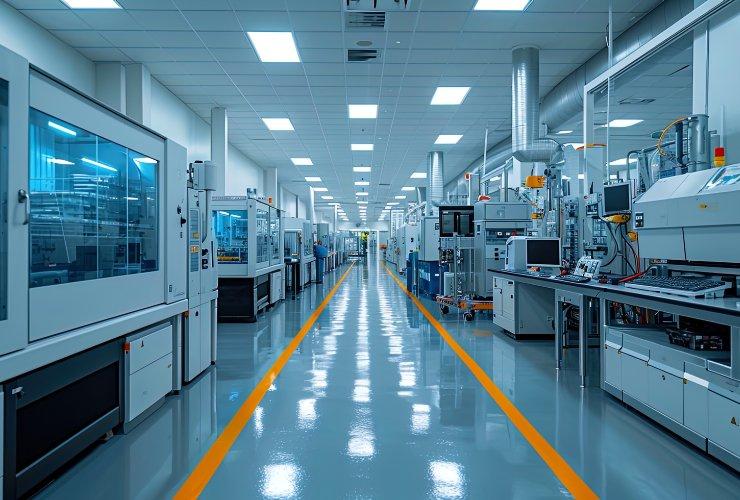
Semiconductor Industry Outlook Remains Strong
Technology analysts expect semiconductor manufacturers to remain central to the future global economy as digital infrastructure expands rapidly.
The continued rise of AI systems, cloud computing, and enterprise automation suggests global chip production will remain one of the most important economic and technology trends of the decade.
Competition among semiconductor firms is likely to intensify as companies attempt to secure manufacturing capacity, improve energy efficiency, and deliver more powerful processors for emerging AI applications.
Industry leaders believe the next several years could permanently reshape the balance of power across the global technology sector.