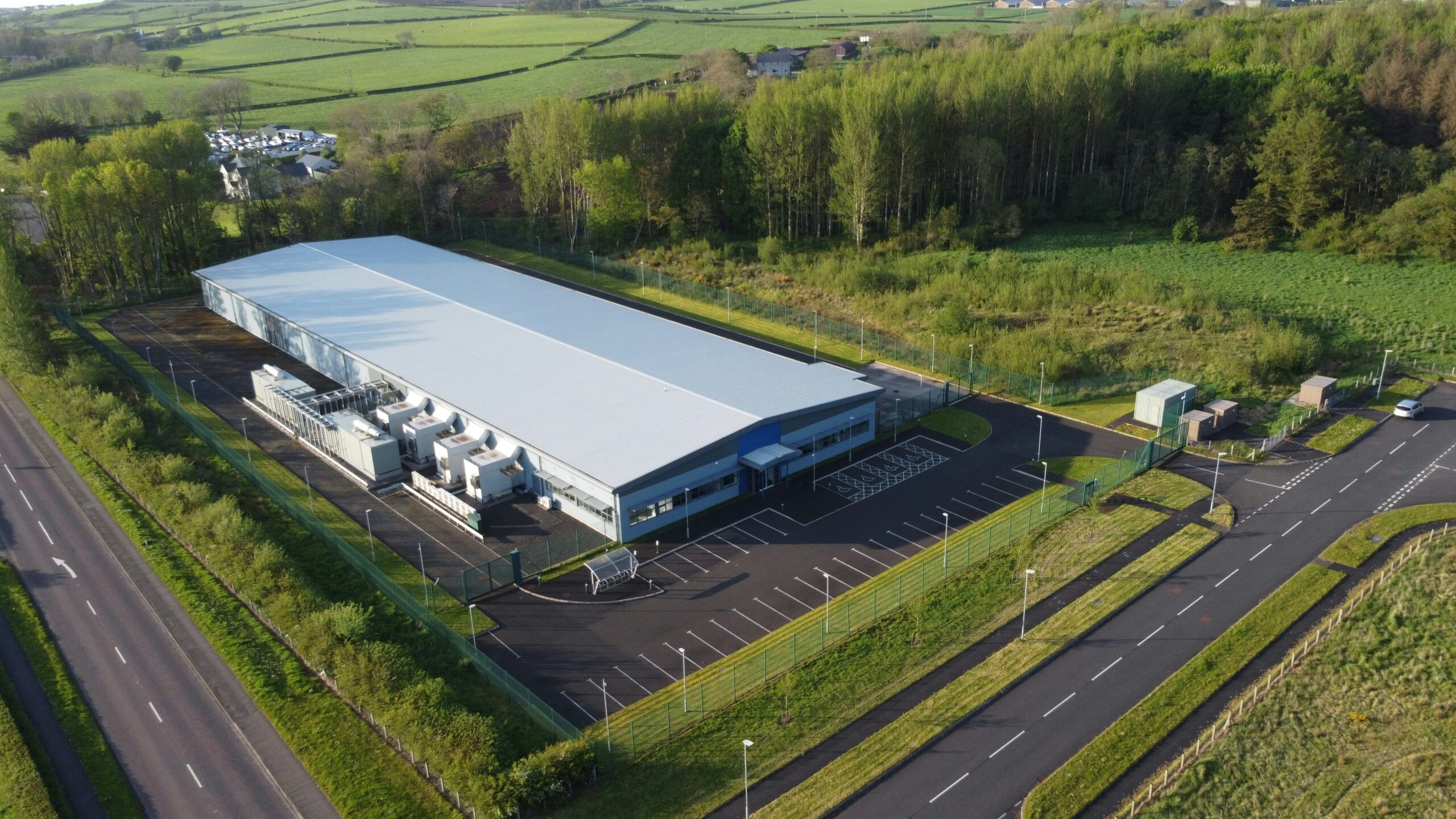
SINGAPORE, 3 June (Parliament Politics Magazine) – A United Nations report warns that global data centre power consumption will double by 2030 due to expanding artificial intelligence infrastructure. This rapid technological rollout threatens to severely strain local electricity grids, deplete regional water resources, and generate unprecedented electronic waste worldwide.
Historical energy metrics
Artificial intelligence models accounted for a fifth of the total electrical energy used by these facilities last year. Operating the physical systems also required 4.5 trillion litres of fresh water, which represents enough volume to meet the basic needs of hundreds of millions of people in Sub-Saharan Africa. Furthermore, the global footprint of these processing facilities generated 189 million tons of carbon dioxide emissions during that period.
The physical requirements of technology infrastructure extend far beyond software code. “The public debate still often treats AI as software, but AI is also physical infrastructure: data centres, electricity generation, cooling systems, transmission networks, chips, minerals, land and water,” said Kaveh Madani, the institute’s director and the report’s lead author. This physical reality means that total data centre power consumption will continue its steep upward trajectory.
Future resource projections
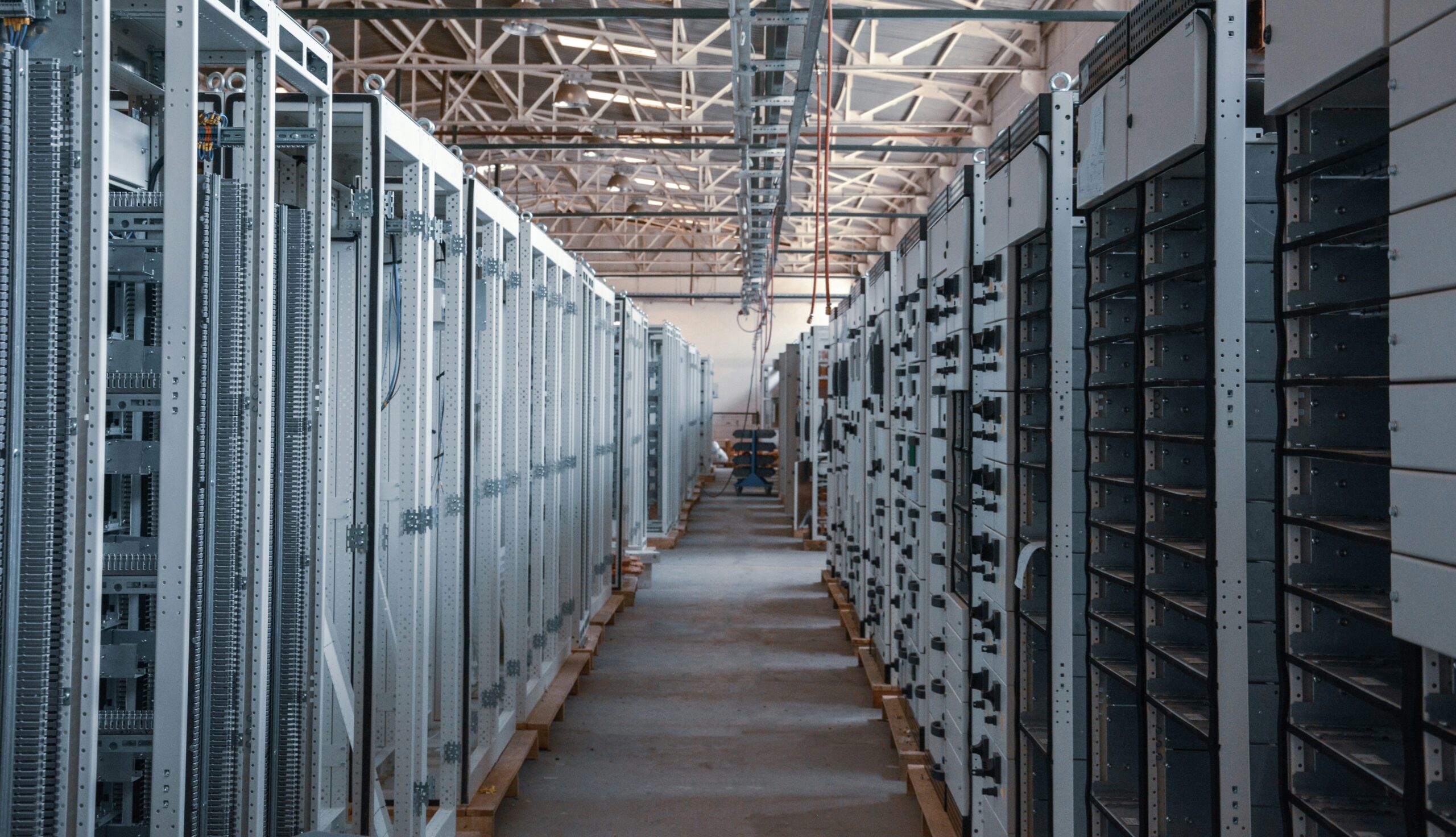
Annual electricity demand from these centralized systems is forecast to reach 945 terawatt-hours by the end of the decade, making the sector roughly equivalent to the entire national energy usage of Japan. Within this timeframe, artificial intelligence workloads will expand to account for 40% of the aggregate total. Consequently, rising data centre power consumption will place immense pressure on utilities attempting to transition toward renewable energy sources.
As computational workloads double, the corresponding freshwater consumption is expected to reach 9.3 trillion litres annually. Carbon dioxide emissions are also forecast to climb significantly to 399 million tons. Furthermore, the total land footprint dedicated to these facilities will expand from 6,900 square kilometres to more than 14,500 square kilometres globally, intensifying competition for real estate.
Localized environmental strains
While technology corporations claim that artificial intelligence can optimize electrical grids and reduce systemic waste, the sheer scale of capacity expansion outweighs efficiency gains. The dramatic rise in data centre power consumption creates immediate regional risks rather than a broad global depletion. Poorly planned cluster construction in specific hubs could easily collide with existing local grid limitations and aquifer stress.
The continuous growth of technology hubs ensures that data centre power consumption will impact nearby communities through sustained noise pollution and heightened public health costs. Renewable energy contracts do not fully resolve these problems, as massive facilities still draw heavy resources from local ecosystems. Therefore, rising data centre power consumption requires immediate, responsible structural planning before hardware dependencies become permanently locked into regional grids.
Unchecked infrastructure expansion guarantees that elevated data centre power consumption will trigger localized water shortages and energy grid vulnerabilities worldwide. Tech corporations continue building new processing sites rapidly to outpace competitors. Without comprehensive regulatory framework interventions, global data centre power consumption will double before sustainable safeguards are legally enacted.