Huawei Chip Expansion Draws Global Attention
Huawei’s rising semiconductor leadership has placed one executive at the center of China’s technology transformation. As global chip restrictions intensify, the company’s expanding Huawei research investment strategy has emerged as a symbol of resilience, innovation, and China’s determination to reduce dependence on foreign semiconductor technology. Her growing influence reflects a broader shift in the global technology race, where chips have become one of the world’s most strategic assets.
Shenzhen, China May 25 (Parliament Politics Magazine) In the increasingly tense global semiconductor battle, few stories have captured China’s technology narrative more powerfully than the rise of Huawei’s so-called “chip queen.” While Huawei has long stood as one of China’s most recognized technology giants, recent years transformed the company from a smartphone powerhouse into a symbol of national technological resilience. At the center of that transformation is a senior semiconductor leader whose work on advanced chip development has earned widespread recognition across China’s business and political circles.
Her growing reputation reflects far more than corporate success. In China, semiconductor independence has become deeply tied to national strategy, economic security, and geopolitical competition. Following extensive U.S. sanctions targeting Huawei’s access to advanced chips and manufacturing tools, the company faced what many analysts believed could become a permanent decline. Instead, Huawei reorganized, accelerated domestic research, and surprised global markets with new technological breakthroughs.
Industry observers now view Huawei research investment as a defining factor in China’s attempt to build a self-sufficient technology ecosystem capable of competing globally despite trade restrictions.
Why Chips Have Become a Global Battleground
The Semiconductor Industry Shapes Modern Economies
Semiconductors power nearly every modern technology product, from smartphones and data centers to electric vehicles and military systems. Nations increasingly view chip manufacturing as a matter of national security rather than simply commercial competition.
The United States has imposed multiple rounds of export restrictions aimed at limiting China’s access to advanced chip technologies. These controls affected Huawei significantly because the company depended heavily on overseas suppliers for advanced processors and manufacturing capabilities.
China responded by dramatically increasing investments in domestic semiconductor research, manufacturing, and talent development. Huawei became one of the most visible companies leading that effort through aggressive Huawei research investment initiatives focused on advanced processors and AI technologies.
According to industry analysts, China’s long-term goal is not only to survive sanctions but also to reduce strategic dependence on foreign technologies that could become vulnerable during geopolitical disputes.
Huawei’s Unexpected Comeback
Huawei’s return to the premium smartphone market surprised many technology analysts worldwide. The company’s ability to release advanced devices despite sanctions triggered renewed debate about China’s progress in semiconductor manufacturing.
The release of smartphones powered by domestically developed processors demonstrated that Chinese companies had made substantial technical progress despite years of restrictions. Although questions remain regarding production scale and long-term manufacturing competitiveness, the symbolic significance was enormous.
“China’s semiconductor progress is no longer theoretical,” said Dan Hutcheson, vice chair of TechInsights, during discussions surrounding Huawei’s recent chip advancements.
“The gap still exists, but the pace of development has accelerated under pressure.”
That pressure helped elevate Huawei research investment into a national conversation surrounding innovation and technological independence.
The Rise of Huawei’s ‘Chip Queen’
A New Technology Icon Emerges
Within China’s technology sector, successful executives are increasingly portrayed as national innovators rather than traditional corporate leaders. Huawei’s semiconductor leadership became especially admired because the company continued investing heavily in research during periods of severe commercial pressure.
Chinese media and online commentators began referring to the executive as Huawei’s “chip queen” after the company demonstrated unexpected semiconductor progress. The phrase reflects both admiration and symbolism, portraying her as part of a broader national effort to strengthen China’s technological independence.
The attention also highlights how semiconductor development has become culturally significant in China. Chips are no longer viewed merely as industrial components; they are increasingly seen as representations of economic sovereignty and technological prestige.
The Human Side of China’s Technology Race
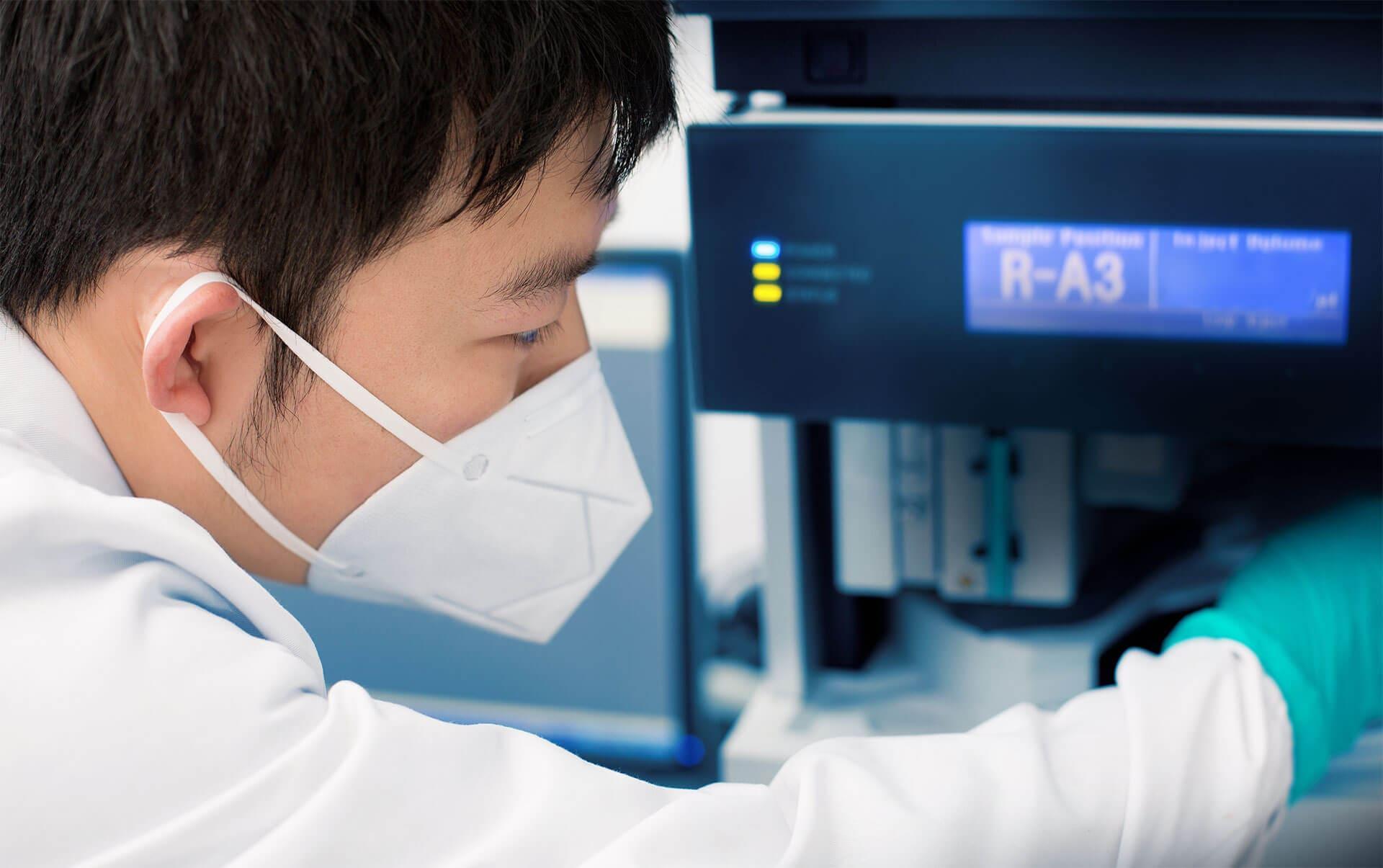
Behind the political headlines and economic forecasts lies a more personal narrative about engineers, scientists, and executives working under extraordinary pressure. Huawei’s semiconductor teams reportedly operated under intense scrutiny after sanctions threatened the company’s future.
The company increased investments in internal research divisions, supply-chain restructuring, and partnerships with domestic firms. Those efforts required years of technical coordination and substantial financial commitment. Huawei research investment reportedly remained one of the company’s top strategic priorities even during periods of slowing smartphone sales.
For many Chinese professionals, Huawei’s resilience became a story about persistence under pressure rather than simply corporate survival. The “chip queen” label therefore resonates emotionally with audiences who view technological development as tied to national pride.
China’s Semiconductor Strategy Expands
Domestic Investment Continues Rising
China has committed billions of dollars toward building domestic semiconductor capabilities. Government-backed funds, regional incentives, and private-sector investments continue supporting chip design, manufacturing equipment, and research infrastructure.
Analysts say Huawei’s experience accelerated China’s urgency.
Rather than relying heavily on international suppliers, Chinese policymakers increasingly emphasize local innovation ecosystems. Universities, state-backed laboratories, and private technology firms now collaborate more closely on semiconductor projects.
The strategy aims to strengthen China’s ability to withstand future technology restrictions while improving long-term industrial competitiveness. Huawei research investment has become one of the most closely watched indicators of China’s semiconductor progress.
Challenges Still Remain
Despite visible progress, China still faces major semiconductor obstacles. Advanced chip manufacturing remains extraordinarily complex, requiring specialized equipment, software, and precision engineering dominated by a small number of international companies.
Industry experts note that producing cutting-edge semiconductors consistently at scale remains one of the world’s most difficult manufacturing challenges.
China continues facing restrictions on advanced lithography systems and other critical technologies necessary for the highest-end chip production.
Even so, Huawei’s progress demonstrated that sanctions alone may not fully stop long-term technological advancement fueled by sustained Huawei research investment and state-supported innovation efforts.
Global Markets Are Watching Closely
Investors See Strategic Implications
Huawei’s semiconductor developments are being closely monitored by governments, investors, and technology competitors worldwide. The global semiconductor industry sits at the center of economic growth forecasts tied to artificial intelligence, cloud computing, electric vehicles, and defense technologies.
Any major shift in China’s semiconductor capabilities could influence supply chains, pricing structures, and geopolitical relationships.
Technology investors increasingly recognize that semiconductor competition may shape global markets for decades. Companies involved in chip design, manufacturing equipment, and AI infrastructure remain among the most strategically important businesses in the world economy.
The Political Dimension Continues Growing
The semiconductor race also reflects broader geopolitical tensions between China and the United States. Policymakers in Washington argue that advanced chips have national security implications, especially regarding artificial intelligence and military systems.
China, meanwhile, argues that technology restrictions unfairly target its economic development.
As a result, semiconductor competition increasingly influences diplomatic relations, trade negotiations, and industrial policy worldwide.
Huawei’s growing symbolism within China reflects this larger global struggle for technological leadership supported by long-term Huawei research investment strategies.
A Defining Moment for China’s Technology Narrative
Huawei’s “chip queen” represents more than a successful executive inside a major technology company. She has become part of a broader national story about resilience, innovation, and strategic independence during a period of intense geopolitical competition.
The global semiconductor race is unlikely to slow anytime soon. Artificial intelligence expansion, advanced computing demand, and national security concerns continue driving unprecedented investments across the technology sector.
For China, Huawei’s semiconductor progress provides evidence that domestic innovation efforts can continue despite external pressure. For the rest of the world, it serves as a reminder that the battle over chips is no longer only about technology — it is also about economic power, national identity, and the future structure of the global digital economy.
As semiconductor competition intensifies, figures like Huawei’s “chip queen” are likely to remain central to one of the most consequential industrial stories of the modern era. Huawei research investment is expected to remain a major factor shaping both China’s technology ambitions and the broader global semiconductor industry.