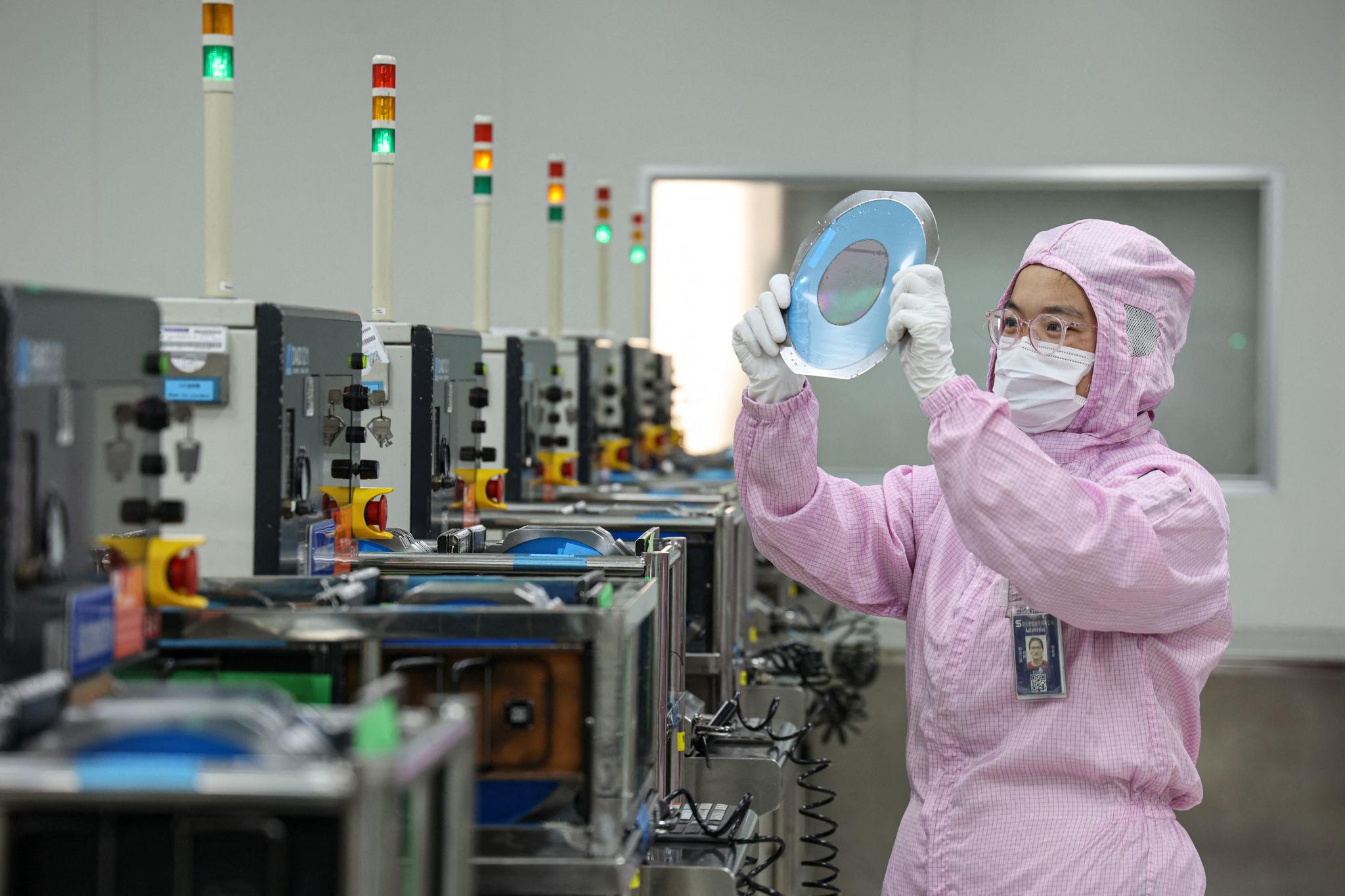
SHENZHEN, China May 25 (Parliament Politics Magazine) The China semiconductor industry is drawing renewed global attention after Huawei revealed a significant chip design breakthrough despite years of U.S. sanctions and export restrictions. The development highlights China’s accelerating push toward technological independence as domestic companies increase investments in advanced processors, artificial intelligence infrastructure, and semiconductor manufacturing. Analysts say Huawei’s latest progress reflects broader momentum across the China semiconductor industry, where local firms are attempting to reduce reliance on foreign technology suppliers while competing in one of the world’s most strategically important sectors.
The China semiconductor industry entered a new phase of global scrutiny after Huawei unveiled progress involving advanced chip design and processor development. The announcement arrives during a period of rising geopolitical tension between China and the United States, where semiconductor technology has become one of the most competitive areas of international economic policy.
For years, Huawei faced severe restrictions that limited access to advanced chip technologies, manufacturing tools, and international semiconductor suppliers. Those sanctions initially triggered concerns that the company could lose competitiveness in smartphones, telecommunications infrastructure, and artificial intelligence systems.
Instead, Huawei responded by expanding domestic research initiatives, increasing engineering investments, and strengthening partnerships with Chinese technology firms.
Now, many analysts believe Huawei’s recent semiconductor progress reflects broader transformation taking place throughout the China semiconductor industry.
The Global Economy Depends on Advanced Chips
Why Semiconductors Matter
Semiconductors power nearly every modern digital system, including smartphones, AI platforms, electric vehicles, cloud computing infrastructure, and military technologies. As artificial intelligence demand accelerates globally, countries increasingly view semiconductor manufacturing as both an economic and national security priority.
The United States has introduced multiple rounds of export controls designed to limit China’s access to cutting-edge semiconductor technologies and advanced manufacturing equipment.
China, meanwhile, has dramatically increased domestic investment aimed at strengthening the China semiconductor industry and reducing long-term dependence on overseas suppliers.
That competition has transformed chips into one of the world’s most strategically valuable technologies.
Huawei’s Recovery Surprised the Technology Sector
Huawei’s ability to return to the premium smartphone market surprised many analysts who believed sanctions would permanently weaken the company.
Devices powered by domestically developed processors triggered fresh debate regarding China’s semiconductor capabilities. The launch demonstrated that Chinese companies continue making progress in chip engineering despite major restrictions.
“Pressure often becomes a catalyst for innovation,” said Dan Hutcheson, vice chair of TechInsights, while discussing China’s semiconductor progress.
“The pace of development appears faster than many expected.”
Huawei has not publicly disclosed every detail regarding its latest chip architecture, but the company’s continued progress is now widely viewed as symbolic of broader advancements inside the China semiconductor industry.
China Semiconductor Industry Expands Through AI Investment
Artificial Intelligence Is Fueling Demand
Artificial intelligence has become one of the primary drivers of semiconductor demand worldwide. AI systems require enormous computing power, increasing the need for advanced processors capable of handling machine learning workloads and large-scale data processing.
Chinese technology companies are investing heavily in AI infrastructure, cloud computing platforms, and next-generation chip development.
Huawei’s semiconductor efforts now extend beyond telecommunications and smartphones into broader AI applications. Analysts believe the company’s expanding role within artificial intelligence could strengthen China’s long-term competitiveness in emerging technologies.
As AI adoption increases globally, the China semiconductor industry is expected to remain central to Beijing’s technology strategy.
Domestic Investment Continues Rising
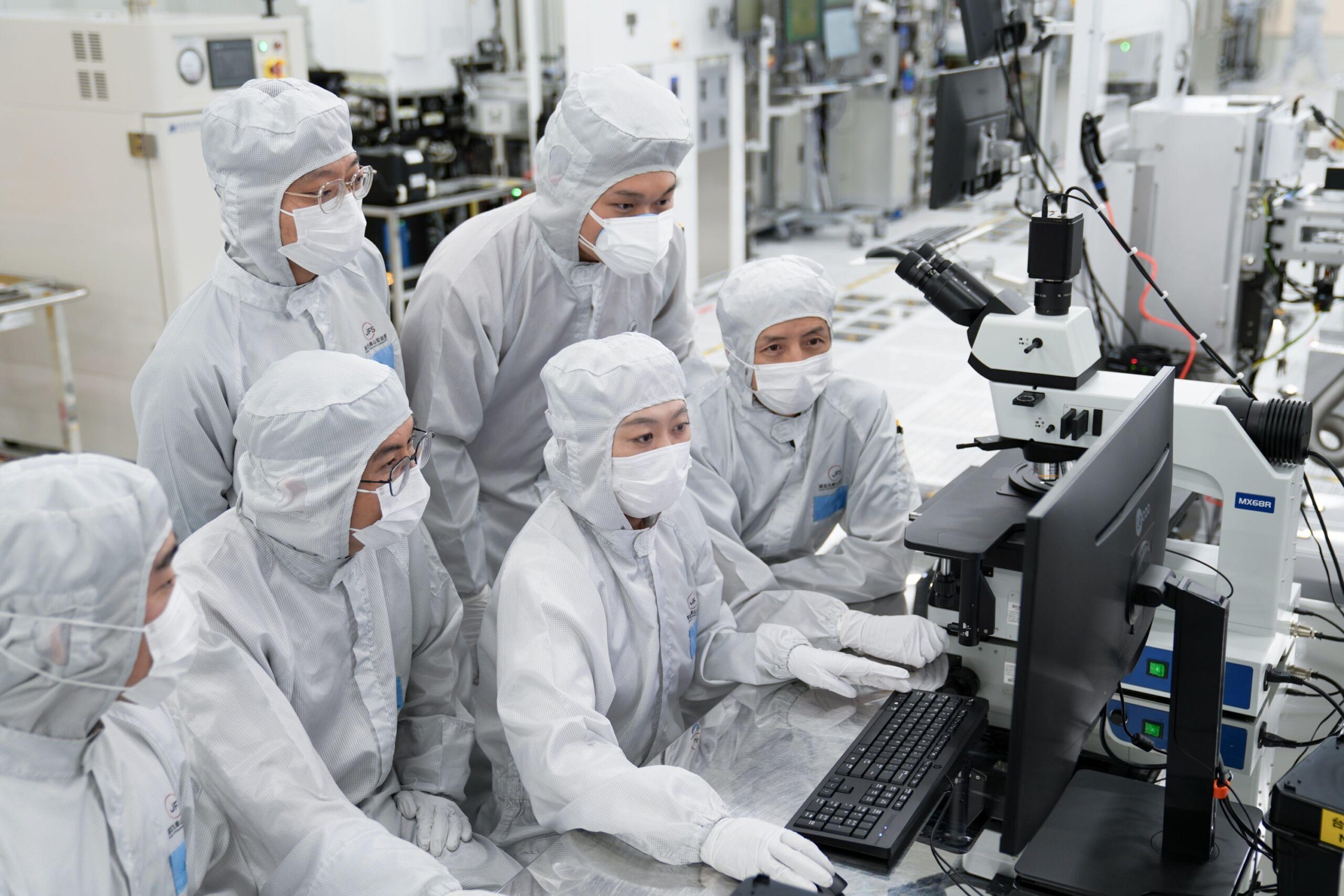
China has committed billions of dollars toward semiconductor research, manufacturing expansion, engineering education, and domestic supply-chain development.
Government-backed funds and regional technology programs continue supporting companies involved in chip design and semiconductor manufacturing.
Industry observers say Huawei’s progress has become one of the strongest examples of China’s broader technology ambitions.
Chinese media frequently portrays semiconductor innovation as essential to economic resilience and national competitiveness. That narrative resonates strongly as geopolitical tensions continue shaping global technology policy.
The China semiconductor industry therefore represents not only economic growth but also a broader strategic effort to strengthen domestic technological independence.
Global Markets Continue Watching China Closely
Investors See Long-Term Implications
Global investors are monitoring developments within the China semiconductor industry because the sector influences artificial intelligence, cloud computing, electric vehicles, defense systems, and telecommunications infrastructure worldwide.
Any major advancement involving Chinese semiconductor firms could affect global supply chains, pricing trends, and technology competition.
Companies involved in semiconductor manufacturing equipment and AI infrastructure remain among the world’s most strategically important businesses.
Huawei’s latest chip developments therefore carry significance far beyond China’s domestic market.
Major Challenges Still Exist
Despite rapid progress, China still faces significant semiconductor manufacturing obstacles. Producing advanced chips at scale requires specialized lithography systems, engineering precision, and manufacturing expertise dominated by a limited number of global suppliers.
Industry experts caution that chip design breakthroughs alone do not guarantee manufacturing competitiveness.
Production efficiency, yield quality, and supply-chain stability remain major factors determining long-term semiconductor success.
Still, continued advancements inside the China semiconductor industry suggest the country is narrowing technological gaps in several key sectors.
The Human Story Behind China’s Chip Expansion
Engineers Driving Innovation Under Pressure
Behind semiconductor headlines lies a story involving thousands of engineers, researchers, and executives working under extraordinary pressure.
Following sanctions, Huawei reportedly expanded internal chip development efforts and accelerated domestic technology partnerships. Engineers focused on redesigning systems, developing local alternatives, and advancing semiconductor research despite limited access to foreign technologies.
Those efforts elevated Huawei’s status within China’s technology sector and helped position the company as a symbol of resilience during geopolitical uncertainty.
For many Chinese professionals, the China semiconductor industry now represents innovation, persistence, and long-term national ambition.
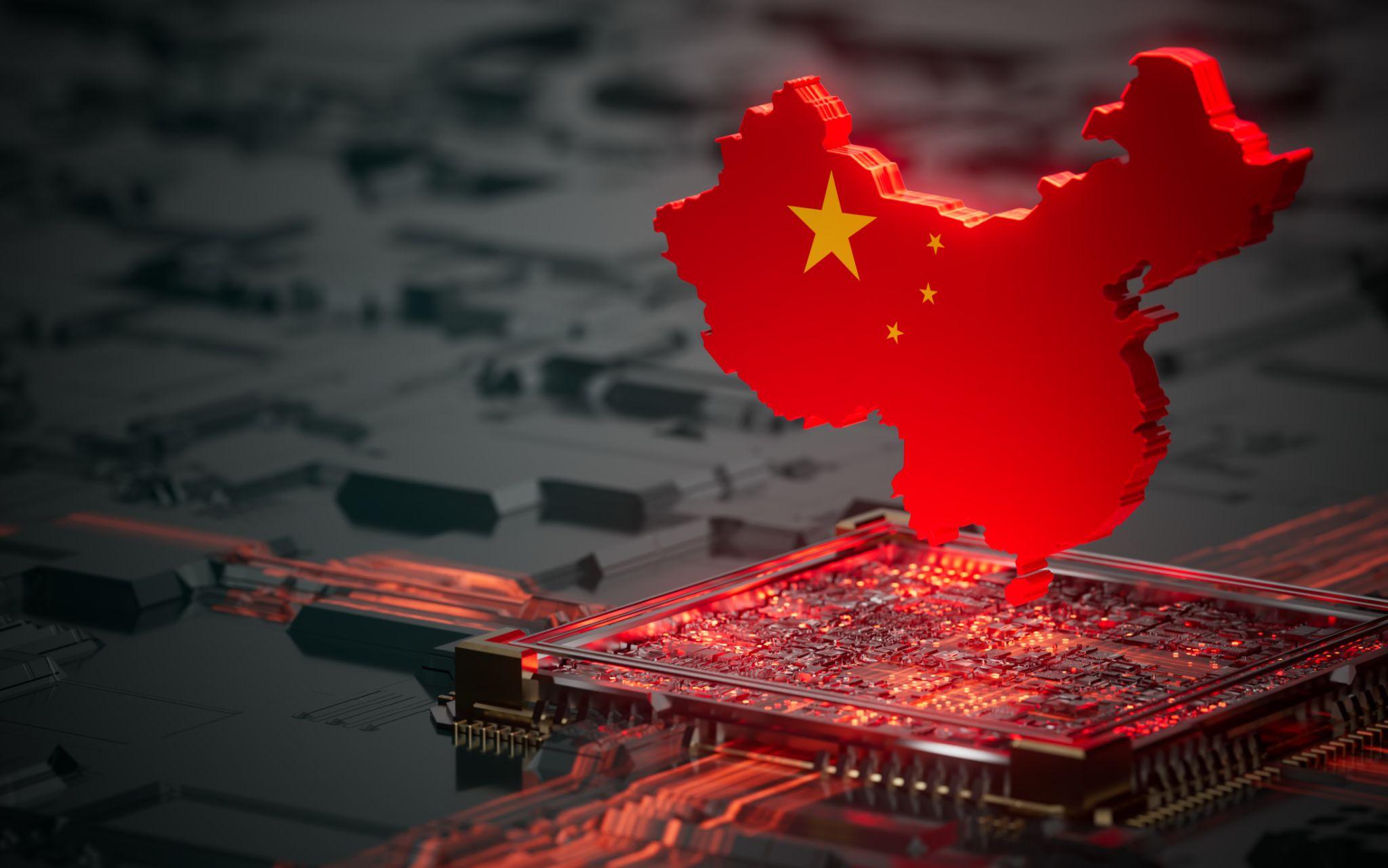
China’s Semiconductor Future Could Reshape Technology Markets
The latest Huawei chip breakthrough reinforces how important semiconductors have become in the global economy. Artificial intelligence expansion, digital infrastructure growth, and geopolitical competition continue driving enormous investment into advanced chip technologies.
While major challenges remain, China’s semiconductor progress demonstrates that domestic innovation efforts continue accelerating under pressure.
For governments, investors, and technology companies worldwide, the China semiconductor industry is no longer viewed as a secondary market player. It is increasingly becoming one of the defining forces shaping the future of global technology competition.
As the global chip race intensifies, China’s expanding semiconductor ecosystem will likely remain one of the most closely watched developments in the international technology landscape.