SANTA CLARA, California, May 25 (Parliament Politics Magazine) China semiconductor demand remains a major factor in Nvidia’s long-term outlook for the global processor industry as the company stated that its forecast for the estimated $200 billion CPU market still includes China.
The announcement highlights how artificial intelligence, cloud computing, and advanced data center technologies are increasing global semiconductor demand despite ongoing geopolitical tensions and U.S. export restrictions. Industry analysts say Nvidia’s comments reflect the reality that China continues to play a critical role in the future growth of AI infrastructure and advanced computing markets worldwide.
China semiconductor demand has become one of the most closely watched forces shaping the future of the global technology sector after Nvidia confirmed that China remains part of its long-term CPU market projections. The company’s comments arrive during a period of rising geopolitical competition between the United States and China, where advanced semiconductors increasingly sit at the center of economic policy, artificial intelligence development, and national security concerns.
Nvidia remains one of the world’s most influential semiconductor companies because its processors power many of the AI systems used by major technology firms, cloud providers, and research institutions worldwide.
As artificial intelligence investment accelerates, Nvidia’s role in the semiconductor market continues expanding beyond gaming into advanced computing infrastructure, AI servers, robotics, and enterprise data centers.
The company’s latest comments suggest that China semiconductor demand remains too important for global chipmakers to ignore despite tightening regulations surrounding advanced technology exports.
Artificial Intelligence Is Reshaping Global Semiconductor Markets
AI Demand Continues Accelerating
Artificial intelligence has transformed the semiconductor industry into one of the fastest-growing sectors in the global economy. AI systems require advanced processors capable of handling massive amounts of data and complex machine-learning tasks.
That demand has fueled explosive growth in data center construction and advanced chip development.
Nvidia’s graphics processing units, commonly known as GPUs, became essential for training large AI models and supporting cloud computing infrastructure. As a result, the company experienced enormous growth during the global AI expansion.
Now, Nvidia is expanding further into CPUs and integrated AI computing platforms designed to handle increasingly demanding workloads.
Analysts say China semiconductor demand could remain one of the largest contributors to future AI infrastructure growth.
China Remains Central to Semiconductor Growth
China continues representing one of the largest technology markets in the world. Demand for AI servers, cloud infrastructure, advanced processors, and enterprise computing systems continues rising across Chinese industries.
Technology companies globally remain highly dependent on Chinese customers, manufacturing ecosystems, and supply chains.
“China is still an enormous market for semiconductors and AI infrastructure,” said Patrick Moorhead, chief executive of Moor Insights & Strategy, while discussing trends affecting global semiconductor companies.
“Long-term demand remains significant despite political tensions.”
That reality explains why companies like Nvidia continue carefully balancing regulatory compliance with maintaining international market opportunities.
Export Restrictions Continue Changing the Industry
U.S. Technology Controls Are Expanding
The United States has implemented multiple rounds of export restrictions targeting advanced semiconductors and AI technologies destined for China. Washington argues those restrictions are necessary to protect national security interests and limit military applications involving advanced AI systems.
The controls directly affected Nvidia because China previously represented a major market for high-performance AI processors.
In response, Nvidia redesigned some products specifically to comply with U.S. regulations while maintaining partial access to Chinese customers.
Those adjustments reflect the growing complexity facing global semiconductor firms operating in politically sensitive markets.
China Accelerates Domestic Technology Development
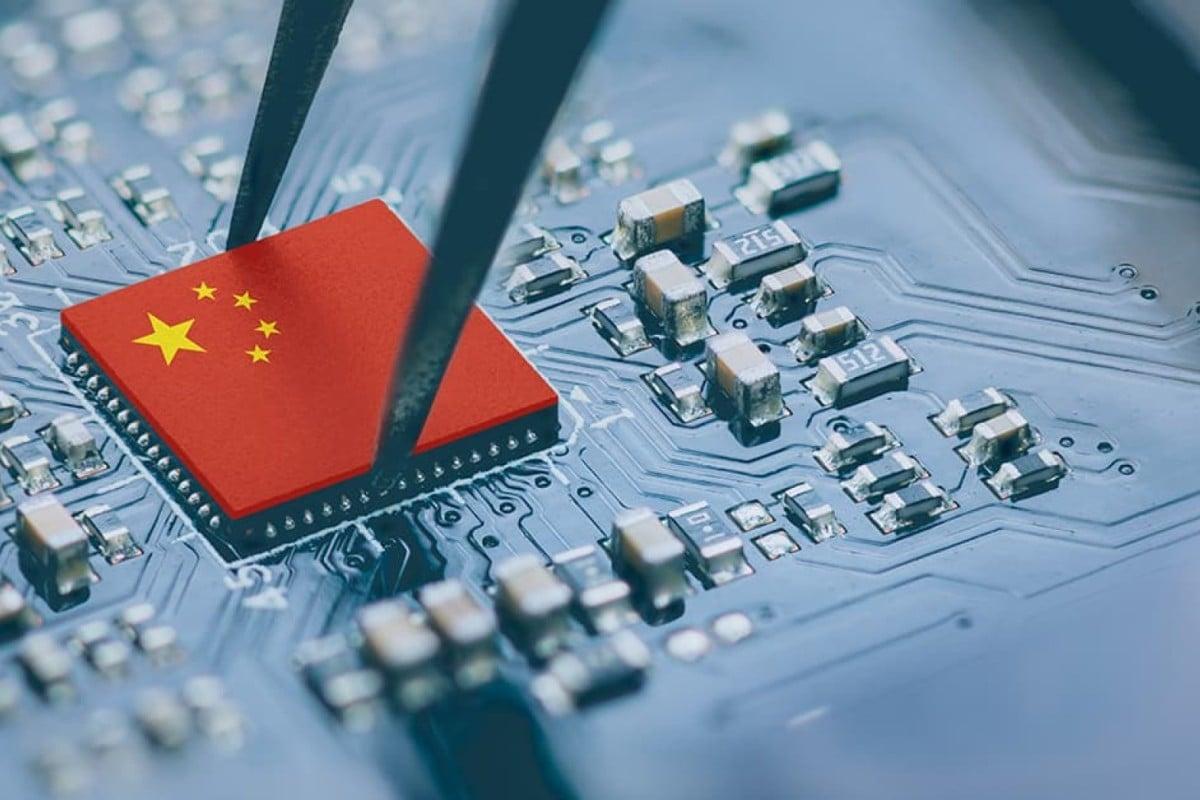
At the same time, China semiconductor demand is fueling major domestic investment in chip manufacturing, engineering research, and AI infrastructure.
Chinese companies are rapidly expanding semiconductor development programs aimed at reducing dependence on foreign technology suppliers.
Government-backed funding initiatives continue supporting domestic chip manufacturing, AI innovation, and advanced computing research.
Industry observers believe the pressure created by export restrictions accelerated China’s push toward semiconductor self-sufficiency.
That competition has transformed semiconductors into one of the world’s most strategically valuable technologies.
Nvidia Expands Beyond Traditional Graphics Chips
CPUs Represent a Massive Opportunity
Although Nvidia built its reputation through graphics processors, the company is increasingly targeting broader computing markets involving CPUs, AI servers, and integrated data center systems.
The estimated $200 billion CPU market represents a major strategic growth opportunity as artificial intelligence expands worldwide.
Industry analysts believe Nvidia aims to create complete AI ecosystems combining processors, networking infrastructure, software platforms, and cloud computing technologies.
That strategy could intensify competition with companies like Intel and AMD while reshaping the future structure of enterprise computing markets.
China semiconductor demand remains a critical variable within those long-term forecasts because Chinese cloud providers and AI firms continue increasing infrastructure investments.
Investors Are Closely Watching AI Infrastructure Growth
Global investors continue focusing heavily on semiconductor companies because artificial intelligence spending is expected to drive technology markets for years.
Data centers, robotics, autonomous systems, and AI-powered enterprise software all depend on advanced semiconductors capable of processing enormous computational workloads.
Nvidia’s growth therefore reflects broader investor optimism surrounding the future of artificial intelligence infrastructure.
However, geopolitical uncertainty continues creating risks involving supply chains, export restrictions, and international market access.
That combination of rapid innovation and political tension has made semiconductor companies among the most closely watched businesses in global financial markets.
The Semiconductor Industry Faces a New Global Reality
Technology Competition Is Increasingly Political
The semiconductor industry once operated largely as a commercial business focused on innovation and consumer demand. Today, advanced chips are increasingly viewed as strategic assets connected to economic security and geopolitical influence.
Governments across the world are investing billions into semiconductor manufacturing and AI infrastructure to strengthen domestic technology capabilities.
The United States, China, Europe, Japan, and other economies are all competing aggressively for leadership positions in advanced computing technologies.
Nvidia now sits directly at the center of that global competition.
Its acknowledgment that China semiconductor demand remains part of long-term CPU market forecasts highlights how interconnected the global technology industry remains despite growing political divisions.
Nvidia’s Outlook Reflects the Future of AI Competition
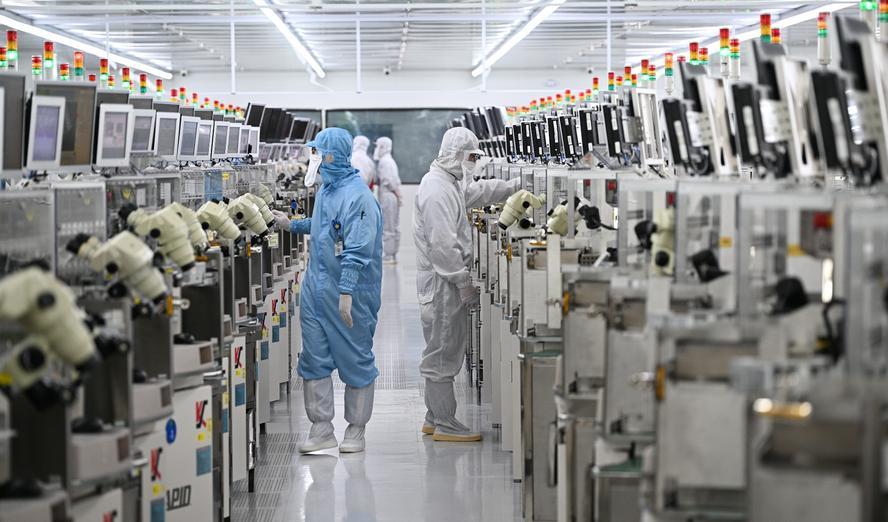
Nvidia’s comments regarding China semiconductor demand demonstrate how deeply global technology growth remains connected to artificial intelligence expansion and semiconductor innovation.
The company’s long-term outlook reflects a broader reality shaping the digital economy: advanced chips are no longer simply commercial products. They are now critical assets influencing economic power, AI leadership, cloud computing infrastructure, and geopolitical strategy.
While export restrictions and political tensions continue affecting the semiconductor industry, demand for AI infrastructure keeps accelerating worldwide.
For Nvidia, balancing innovation, compliance, and global market access will likely remain one of the company’s most important challenges in the years ahead.
As artificial intelligence transforms industries worldwide, China semiconductor demand will remain one of the key forces shaping the future of global technology markets.