

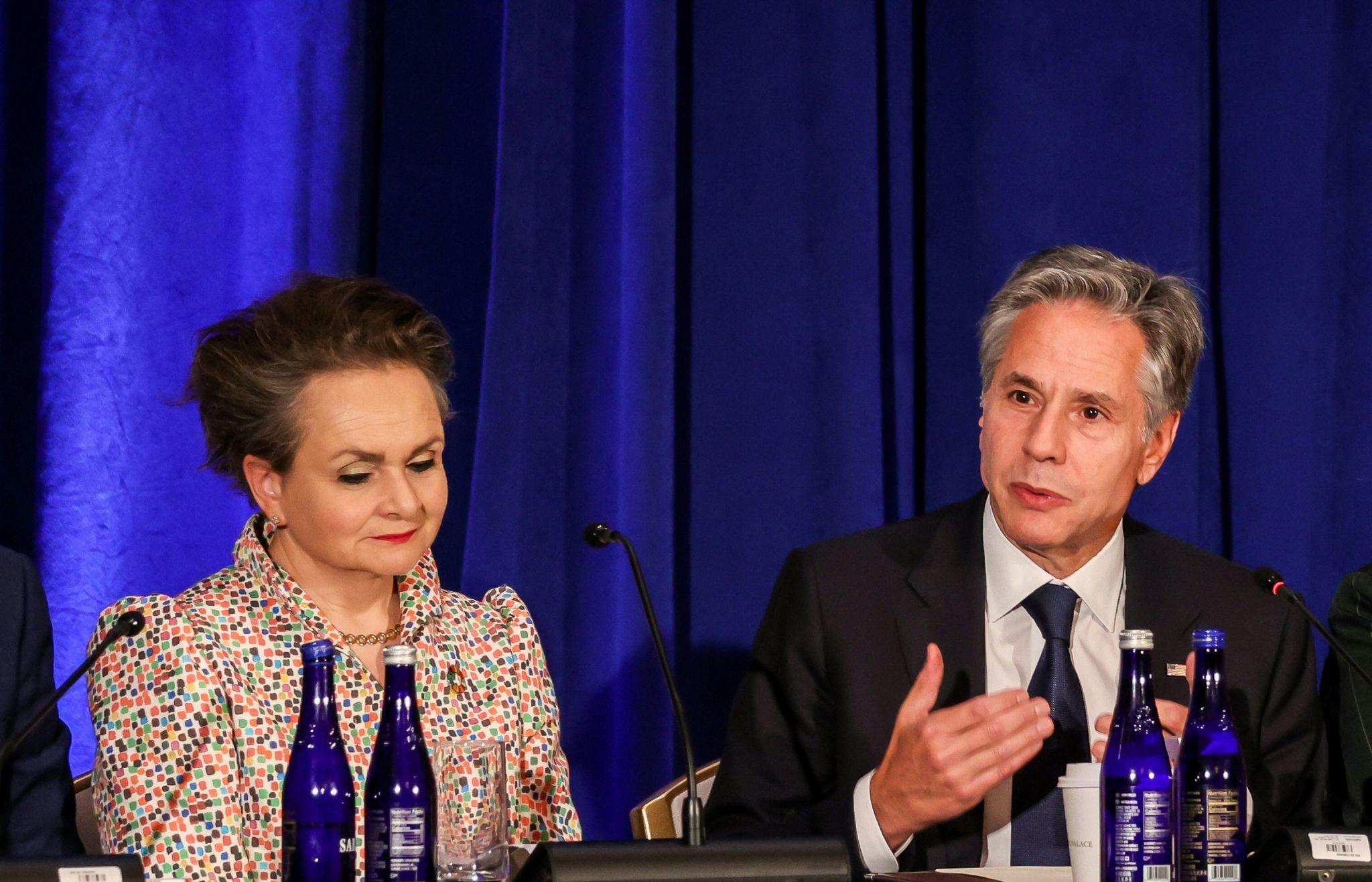
constitutional reform UK discussions are gaining momentum as political leaders debate modernization of governance structures, parliamentary systems, and institutional accountability.
Analysts say growing public attention on democratic reform, devolution, and political transparency is increasing pressure for long-term constitutional change.
Experts believe the debate could significantly influence British politics throughout the decade.
LONDON, United Kingdom – May 27, 2026 (Parliament Politics Magazine) constitutional reform UK discussions are expanding across British politics as lawmakers, policy experts, and advocacy groups debate possible changes involving governance structures, parliamentary accountability, and institutional modernization.
Several political organizations are calling for updated frameworks involving electoral systems, devolution arrangements, parliamentary oversight, and the relationship between state institutions and public accountability.
The rise of constitutional reform UK debate reflects broader concerns regarding political trust, democratic participation, and modernization of long-standing government systems.
Analysts say constitutional issues are receiving increased public attention as digital communication, regional politics, and economic pressures reshape the British political environment.
“Constitutional reform debates often emerge during periods of significant political and social transition,”
one constitutional law specialist stated during a recent policy conference.
Key Facts Behind Constitutional Reform UK in 2026
| Category | 2026 Political Trend |
|---|---|
| Main Focus | Government modernization |
| Key Debate | Parliamentary reform |
| Primary Concern | Institutional accountability |
| Political Impact | Governance restructuring |
| Main Driver | Public policy transparency |
| Key Topic | Devolution and democracy |
| Long-Term Outlook | Constitutional modernization |
Parliamentary Reform Discussions Gain Momentum
The latest constitutional reform UK discussions include renewed debate surrounding parliamentary procedures, representation systems, and legislative oversight mechanisms.
Several reform advocates argue modernization efforts could improve transparency, public engagement, and government accountability within British politics.
Topics receiving increased attention include House of Lords reform, electoral representation systems, regional devolution, and modernization of parliamentary procedures.
Political analysts say public frustration with political polarization and institutional inefficiency has contributed to growing support for governance reform conversations.
Several experts also believe digital communication technologies are increasing public expectations regarding transparency and political responsiveness.
Devolution and Regional Governance Remain Key Issues
Regional governance remains a major part of the broader constitutional reform UK discussion.
Debates surrounding Scotland, Wales, Northern Ireland, and regional English governance continue influencing national conversations involving political decentralization and constitutional balance.
Supporters of expanded devolution argue local governments may respond more effectively to regional economic and social priorities.
Critics, however, continue warning that excessive decentralization could create administrative complexity and political fragmentation.
Analysts say regional governance questions may remain central to British constitutional debates throughout the remainder of 2026.
“The balance between national authority and regional autonomy continues shaping constitutional discussions,”
one political analyst explained.
Public Trust and Political Transparency Drive Reform Pressure
The growing focus on constitutional reform UK also reflects broader concerns regarding political trust and institutional credibility.
Several public opinion studies have shown rising demand for stronger transparency standards, government accountability mechanisms, and ethical oversight within political institutions.
Media experts say digital communication and social media platforms have significantly changed how the public engages with political systems and government decisions.
Several reform advocates argue modernization efforts may help strengthen democratic participation and restore confidence in public institutions.
However, opponents caution that large-scale constitutional restructuring could introduce legal uncertainty and unintended political consequences.

Technology and Digital Governance Influence Policy Debate
The rise of digital governance systems is increasingly influencing the broader constitutional reform UK conversation.
Cybersecurity, digital voting systems, AI-generated political content, and online misinformation have introduced new challenges for democratic institutions and public policy frameworks.
Several lawmakers are examining whether constitutional protections and election regulations require modernization to address emerging technological risks.
Analysts believe digital communication platforms may continue reshaping political engagement and governance structures over the coming decade.
Several policy organizations are also calling for updated regulations involving online political advertising and digital campaign transparency.
“Technology is changing not only communication, but also the structure of democratic participation,”
one governance researcher stated during a digital policy forum.
Historical Evolution of Constitutional Reform in Britain
The United Kingdom has experienced multiple periods of constitutional change over the past two centuries. Analysts compare the current constitutional reform UK debate to earlier waves of democratic modernization and institutional restructuring.
Historical Cycles of Constitutional Reform
| Era | Major Political Reform |
|---|---|
| 1800s | Parliamentary representation reforms |
| Early 1900s | Expansion of voting rights |
| Mid-1900s | Welfare state and governance modernization |
| 1990s | Devolution and regional assemblies |
| 2020s | Digital governance and institutional reform |
Experts believe constitutional modernization discussions may continue evolving alongside changing political and technological conditions.
Economic and Political Stability Remain Central Concerns
The broader constitutional reform UK debate continues balancing modernization goals with concerns surrounding economic and political stability.
Several business leaders and financial analysts warn that large-scale constitutional uncertainty could affect investor confidence and government policy continuity.
Supporters of reform argue updated governance structures may improve long-term institutional efficiency and democratic resilience.
Critics continue emphasizing the importance of preserving constitutional continuity and avoiding politically divisive restructuring efforts.
Political observers believe future reform discussions may increasingly focus on practical modernization rather than sweeping constitutional replacement.
Britain Enters a New Era of Governance Debate
The expansion of constitutional reform UK discussions reflects growing recognition that political systems must adapt to changing economic, technological, and social conditions.
Supporters believe modernization efforts could improve accountability, strengthen democratic participation, and modernize governance systems for future generations.
Critics, however, continue warning that constitutional restructuring may create instability if reforms are pursued too aggressively or without broad public consensus.
As British political institutions continue responding to evolving public expectations, constitutional reform is expected to remain a major national debate throughout 2026 and beyond.
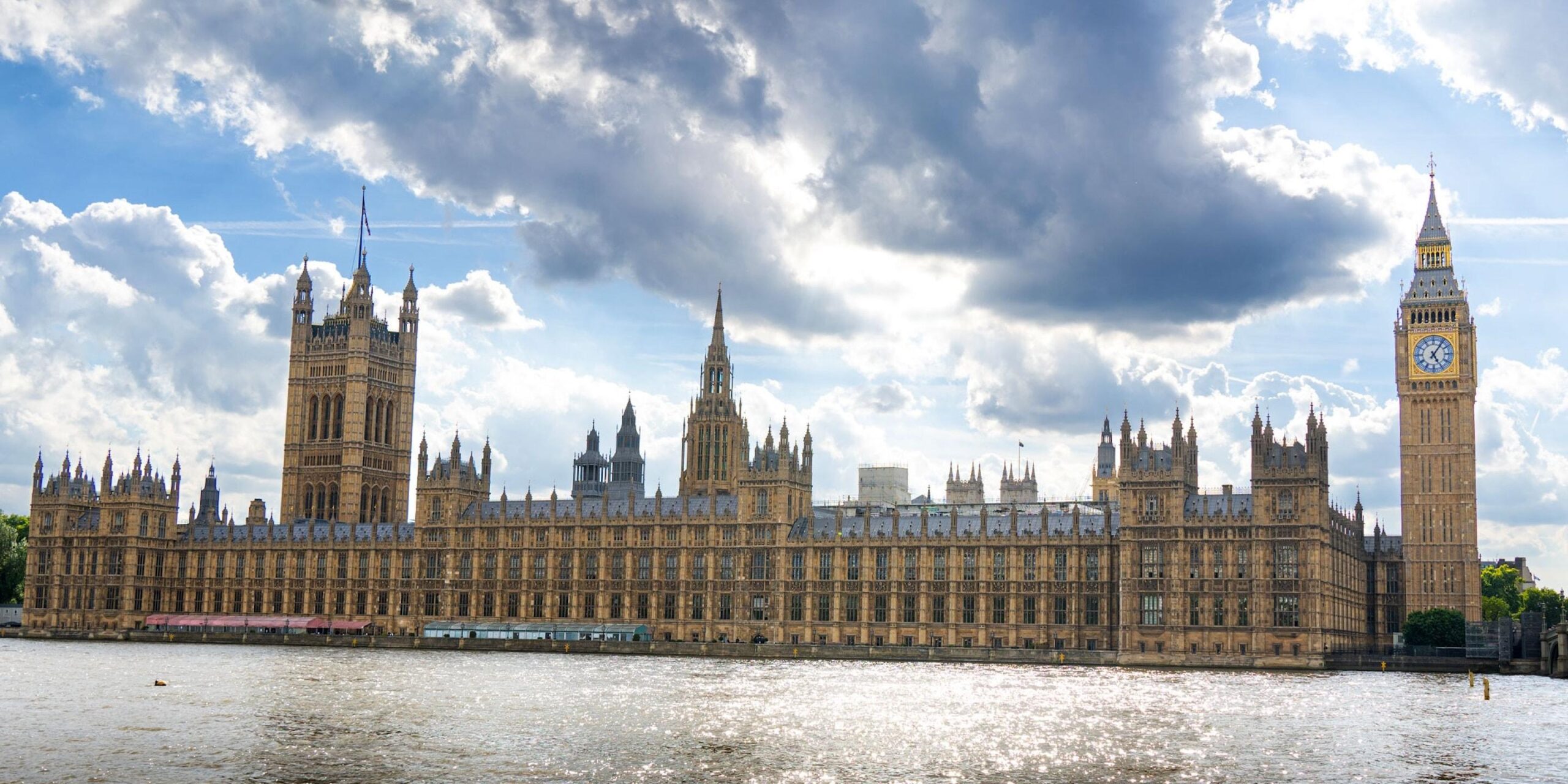
Key Takeaways From Constitutional Reform UK Debates
Political discussions surrounding governance modernization, parliamentary reform, regional devolution, and digital democracy are increasing across the United Kingdom. The growing constitutional reform UK debate reflects broader concerns involving institutional accountability, public trust, and adaptation to modern political and technological challenges.