

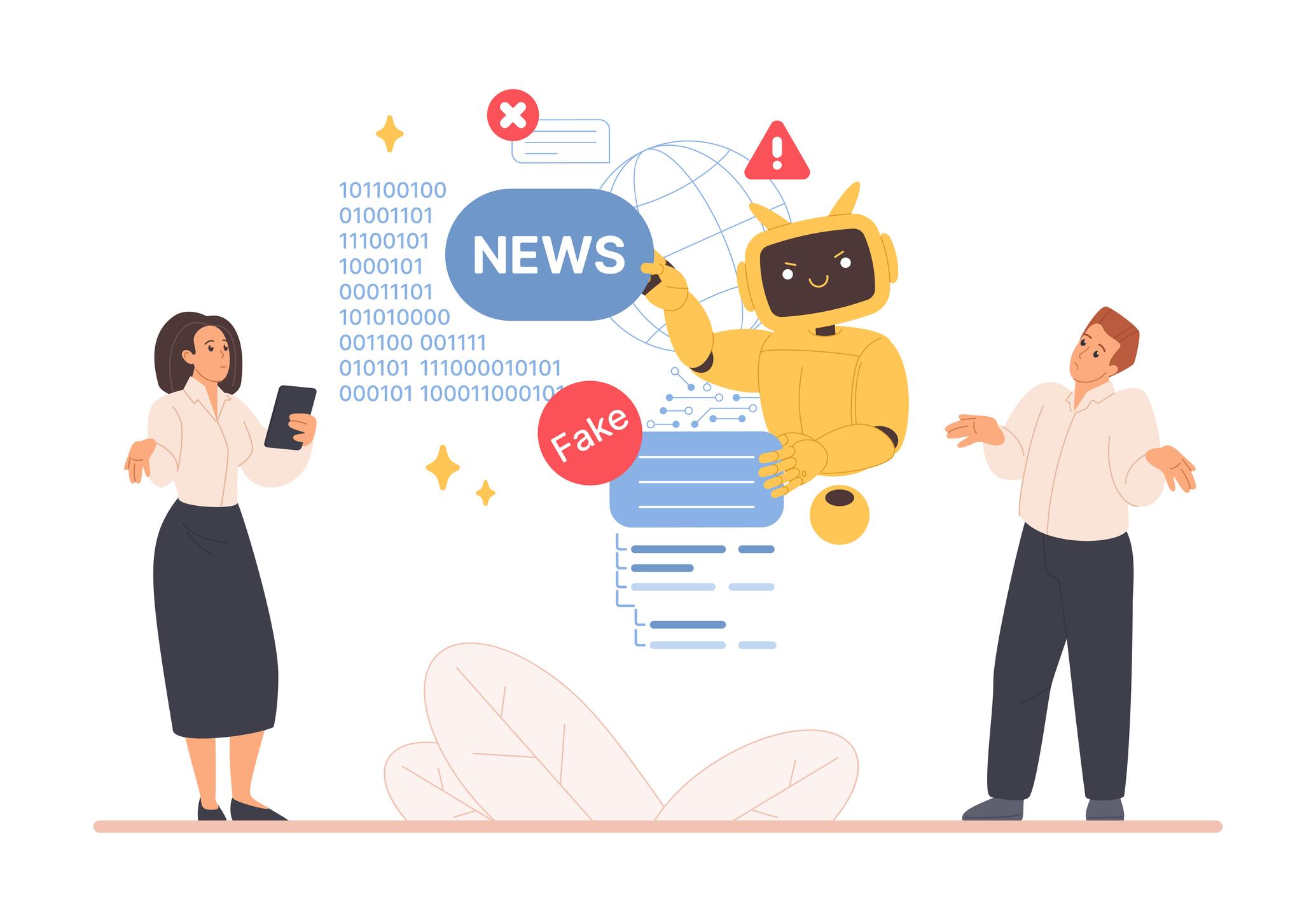
digital media accuracy is becoming a major concern as misinformation, AI-generated content, and viral social media posts increasingly influence online news consumption.
Media organizations and fact-checking groups are expanding verification efforts to maintain public trust and reporting credibility.
Analysts say digital verification may become one of the most important journalism challenges of the decade.
NEW YORK, United States – May 27, 2026 (Parliament Politics Magazine) digital media accuracy has become a central issue for journalists, technology companies, and policymakers as misinformation spreads rapidly across social media platforms and online news environments.
Media organizations are increasingly investing in verification systems, digital forensic tools, and fact-checking operations designed to identify misleading information before false narratives gain widespread attention.
The growing focus on digital media accuracy reflects rising public concern regarding manipulated images, AI-generated content, and misleading social media claims linked to breaking news stories.
Several analysts believe online misinformation may continue affecting political debate, public trust, and emergency response communication throughout the remainder of 2026.
“The speed of digital information now requires verification systems to operate faster than ever before,”
one media ethics researcher stated during a journalism conference.
Key Facts Behind Digital Media Accuracy in 2026
| Category | 2026 Media Trend |
|---|---|
| Main Focus | Online verification systems |
| Key Concern | Viral misinformation |
| Main Technology | AI-generated content |
| Industry Impact | Journalism credibility |
| Public Challenge | False online narratives |
| Verification Goal | Accurate reporting |
| Long-Term Outlook | Expanded fact-checking |
Artificial Intelligence Changes Online Information Ecosystems
The rapid expansion of artificial intelligence tools is significantly influencing the future of digital media accuracy.
AI-generated images, videos, voice recordings, and text content are becoming increasingly sophisticated, making it more difficult for users to distinguish authentic information from manipulated material.
Several technology firms are developing advanced detection systems capable of identifying synthetic media and digitally altered content shared online.
Journalists and fact-checking organizations are also increasing use of AI-assisted verification tools to improve reporting speed and accuracy during fast-moving news events.
Industry experts warn that AI-generated misinformation may continue evolving as digital communication technology advances.
Social Media Platforms Face Growing Pressure
The debate surrounding digital media accuracy is increasing pressure on social media companies to improve moderation systems and reduce the spread of false information.
Several digital platforms have expanded partnerships with independent fact-checking organizations aimed at identifying misleading content tied to elections, public safety incidents, and major breaking news events.
Technology analysts say social media algorithms often prioritize engagement-driven content, which can unintentionally amplify emotionally charged misinformation.
Critics continue arguing that existing moderation systems struggle to keep pace with the speed and volume of online content distribution.
Lawmakers in multiple countries are also examining whether additional digital transparency regulations may become necessary.
“Misinformation spreads quickly because online systems reward emotional engagement and rapid sharing,”
one communications specialist explained.

Public Trust in News Reporting Remains a Major Concern
The ongoing debate over digital media accuracy is closely connected to broader concerns involving public trust in journalism and information credibility.
Several surveys have shown increasing public skepticism regarding online news sources and viral social media claims.
Media experts say maintaining credibility now depends heavily on transparency, sourcing standards, and rapid correction of inaccurate reporting.
Fact-checking organizations continue encouraging readers to verify information through multiple trusted sources before resharing claims online.
Analysts believe trust in journalism may increasingly depend on how effectively news organizations adapt to digital misinformation challenges.
Verification Technology Expands Across Journalism Industry
The expansion of verification technology is becoming a major part of efforts to strengthen digital media accuracy worldwide.
Newsrooms are increasingly using reverse image search systems, metadata analysis tools, geolocation verification, and AI-assisted forensic software to evaluate online content.
Several media companies are also training journalists in digital verification techniques designed to identify manipulated media and false narratives more efficiently.
Technology providers specializing in misinformation detection systems are expected to benefit from rising industry demand.
Analysts say verification technology may eventually become as important to journalism as traditional reporting skills.
“Digital verification is now one of the core foundations of responsible journalism,”
one investigative editor stated during a media policy event.
Historical Evolution of Digital Journalism
Modern journalism has experienced major transformation cycles over recent decades as internet technology and social media reshaped information distribution. Analysts compare the current digital media accuracy debate to earlier shifts involving online publishing and mobile news consumption.
Historical Cycles of Digital Media Development
| Era | Major Media Transformation |
|---|---|
| 1990s | Expansion of online news websites |
| 2000s | Growth of social media platforms |
| 2010s | Smartphone-driven digital publishing |
| Early 2020s | Viral misinformation expansion |
| 2026 | AI-driven verification era |
Experts believe digital journalism may continue evolving rapidly as artificial intelligence transforms communication technologies.
Governments and Regulators Increase Oversight Discussions
Several governments are increasing focus on policies tied to digital media accuracy and online misinformation regulation.
Lawmakers continue debating how digital platforms should address false public safety information, political misinformation, and AI-generated content.
Some policymakers support stronger transparency requirements involving content labeling and moderation reporting standards.
Critics, however, continue warning that excessive regulation could create concerns involving free speech and political bias.
Analysts believe future digital media policies may increasingly focus on balancing information integrity with open online communication.
Journalism Enters a New Verification Era
The growing focus on digital media accuracy reflects broader recognition that journalism, technology, and public communication are entering a more complex digital environment.
Supporters of expanded verification systems argue accurate reporting is essential for protecting democratic institutions, public safety, and social trust.
Critics continue warning that misinformation technology may evolve faster than verification systems can adapt.
As news organizations, technology companies, and governments continue responding to digital misinformation challenges, analysts expect verification and credibility to remain central media issues throughout 2026 and beyond.

Key Takeaways From the Digital Media Accuracy Debate
News organizations and technology platforms are increasing investment in verification systems as misinformation and AI-generated content continue reshaping online communication. The growing focus on digital media accuracy highlights broader concerns involving journalism credibility, social media moderation, and public trust within modern digital information environments.