


PARIS, France, May 28, 2026 (Parliament Politics Magazine) AI weapons regulation has become one of the most debated international security issues after French artificial intelligence company Mistral defended the use of AI in military operations while responding to criticism from Pope Francis and humanitarian organizations.
The controversy highlights growing tensions between technological innovation and ethical responsibility as governments worldwide accelerate investment in advanced military systems powered by artificial intelligence. Analysts say the discussion surrounding AI weapons regulation is rapidly expanding beyond technology circles into global politics, diplomacy, and national defense planning.
Mistral reportedly argued that AI systems can improve operational precision, reduce human error, and support military decision-making during high-risk situations. Company representatives emphasized that AI tools are designed to assist human operators rather than independently control lethal actions.
A European defense analyst said:
“Artificial intelligence is becoming central to modern national security strategies, and governments are unwilling to fall behind geopolitical rivals.”
The statement reflects increasing pressure on Western governments to modernize defense capabilities amid rising cyber threats and global instability.
Pope Francis Renews Concerns Over Autonomous Weapons
Pope Francis has repeatedly warned about the dangers of autonomous warfare and the ethical consequences of allowing machines to influence life-and-death military decisions. Vatican officials argue warfare must always remain connected to direct human accountability and moral responsibility.
Humanitarian groups and international policy organizations have echoed those concerns, warning that autonomous military systems could increase risks to civilians if regulations fail to keep pace with rapidly evolving technology.
A Vatican adviser recently stated:
“Technology should never replace human moral judgment during armed conflict because accountability must remain with people, not algorithms.”
The comments intensified calls for stronger AI weapons regulation across Europe and international policy institutions.
European Governments Expand AI Defense Programs
Despite criticism from humanitarian organizations, European governments continue investing heavily in AI-powered defense systems. France, Germany, and the United Kingdom are among the countries accelerating development involving cybersecurity tools, autonomous surveillance technology, and drone coordination systems.
Security experts say AI-assisted military operations are increasingly viewed as essential for maintaining strategic advantages during geopolitical tensions.
Analysts believe the expansion of defense technology will continue regardless of public criticism, making AI weapons regulation a growing priority for lawmakers and global institutions.
Global AI Warfare Data Snapshot
| Category | Details |
|---|---|
| Main Topic | Military artificial intelligence |
| Key Debate | Ethical use of AI in warfare |
| Organization | Mistral |
| Region | Europe |
| Global Concern | Autonomous weapons systems |
| Main Issue | Human accountability |
| Policy Focus | International AI safeguards |
History of AI Weapons Regulation Debate
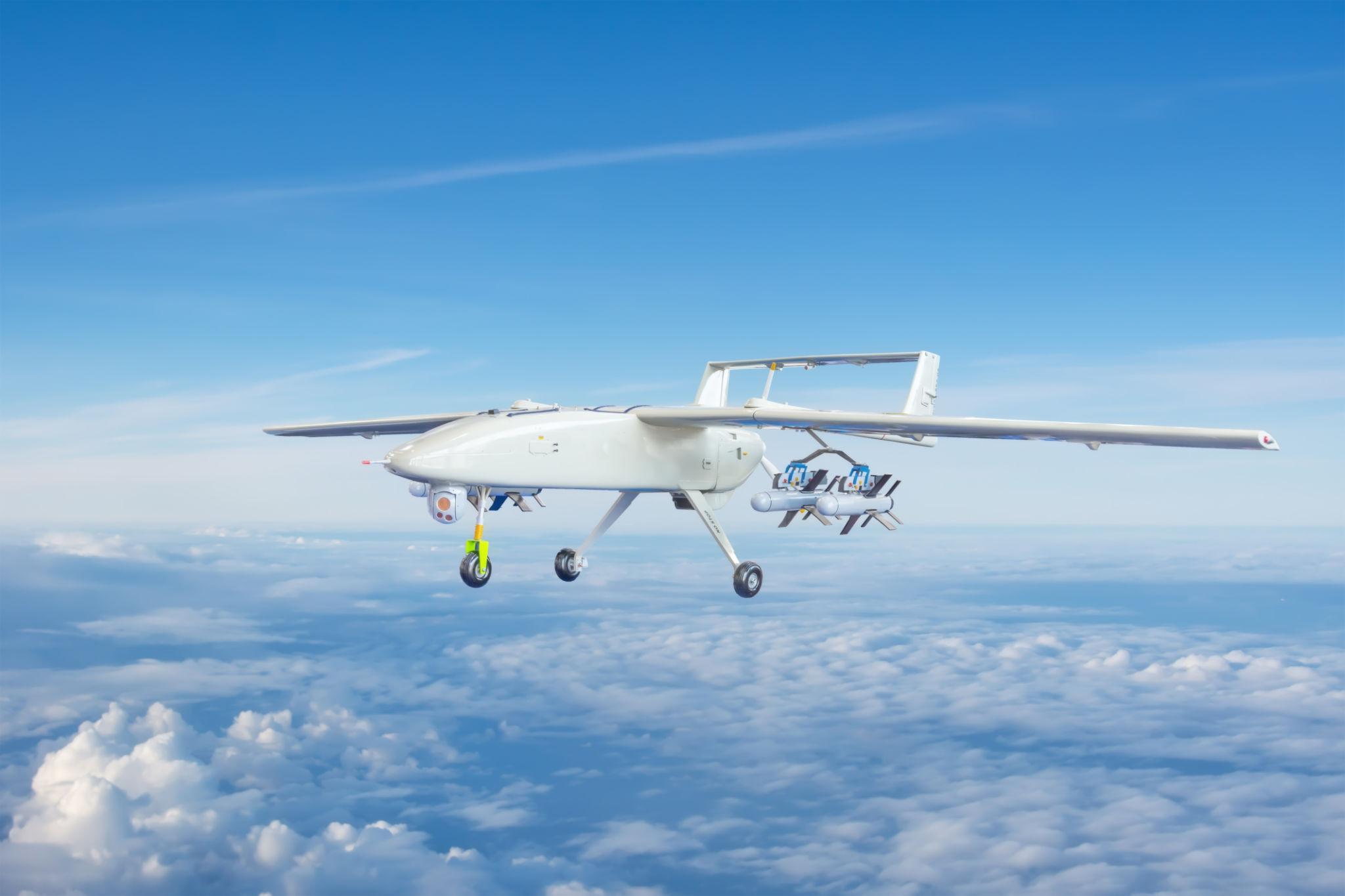
Discussions surrounding autonomous weapons gained international attention during the early 2010s as drone warfare and machine-learning systems became more advanced. Since then, humanitarian groups and United Nations officials have repeatedly warned that military AI technology may evolve faster than legal oversight frameworks.
The growing debate over AI weapons regulation has intensified with each major technological breakthrough in military automation and cybersecurity.
Historical Cycles Table
| Year | Major Event | Global Reaction |
|---|---|---|
| 2013 | UN begins autonomous weapons discussions | Ethical concerns increase |
| 2018 | Defense AI spending rises globally | Regulation demands grow |
| 2023 | AI-assisted drone warfare expands | Security fears intensify |
| 2026 | Mistral controversy gains attention | Pressure for global oversight |
Critics Warn About a Global AI Arms Race
Critics argue that increasing military AI investments could trigger a dangerous international arms race among major powers. Security researchers fear countries may rapidly deploy autonomous systems simply to avoid strategic disadvantages against competitors.
Some cybersecurity experts also warn that AI-powered military networks could become targets for hacking, misinformation campaigns, or accidental escalation during conflicts.
One global security researcher explained:
“The speed of AI development is now outpacing international diplomacy, creating uncertainty about future battlefield accountability.”
The warning has increased demands for comprehensive AI weapons regulation before autonomous technologies become deeply integrated into military operations worldwide.
International Pressure for Regulation Continues Growing
Several humanitarian organizations are pushing for legally binding international agreements governing autonomous weapons systems. Human rights advocates argue current laws are insufficient to address the risks associated with advanced military AI technologies.
At the same time, defense officials maintain that banning military AI development entirely would be unrealistic because geopolitical rivals are unlikely to stop advancing their own systems.
This growing divide between security priorities and humanitarian concerns continues shaping discussions surrounding AI weapons regulation in diplomatic forums around the world.
Public Opinion Remains Divided
Public opinion on military artificial intelligence remains sharply divided. Some citizens support AI-powered defense systems because of increasing cyber threats and geopolitical instability. Others fear autonomous systems may reduce human accountability during warfare and increase long-term humanitarian risks.
Technology firms are also facing greater scrutiny over defense-related contracts and military partnerships.
The controversy involving Mistral demonstrates how AI weapons regulation is becoming one of the defining global technology and security debates of the decade.
Global Pressure for AI Oversight Intensifies
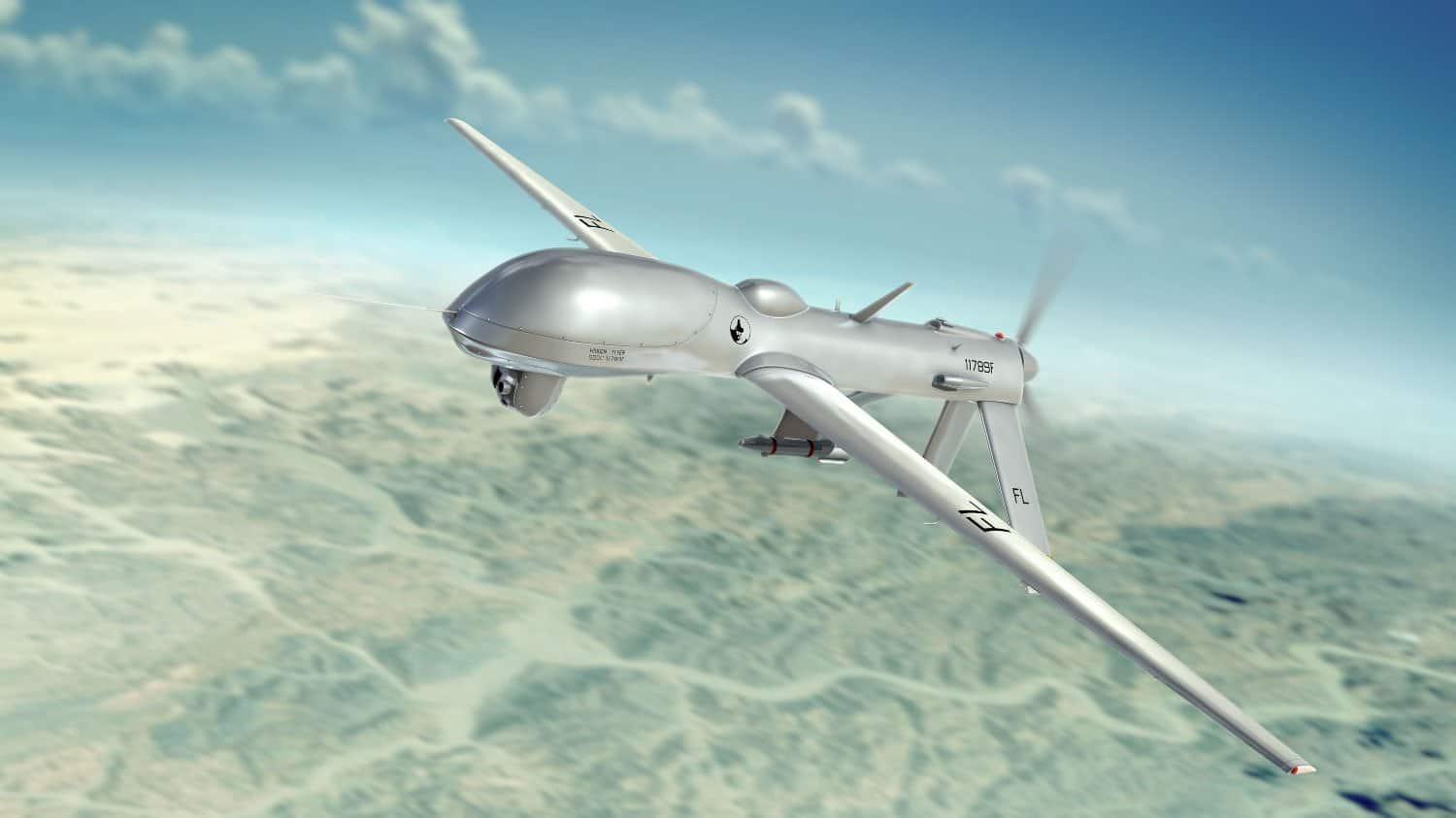
The clash between Mistral and Pope Francis highlights the growing global struggle to balance military innovation with ethical responsibility. Supporters argue AI can improve battlefield efficiency and national defense systems, while critics warn autonomous technologies may create dangerous humanitarian consequences.
As governments continue investing heavily in military AI programs, demands for stronger AI weapons regulation are expected to intensify across international institutions and defense organizations.
Without clear safeguards, experts warn artificial intelligence could fundamentally reshape the future of warfare faster than policymakers can regulate it.
