BEIJING, China, May 28, 2026 (Parliament Politics Magazine) AI technology competition is intensifying worldwide as major technology companies and governments rapidly expand investments in artificial intelligence infrastructure, semiconductor development, and cloud computing systems.
The global race for AI leadership has accelerated dramatically over the past several years, with companies competing to secure advanced processors, computing power, and machine learning capabilities capable of supporting next-generation AI systems.
Industry experts say the rise of AI technology competition is reshaping global economic priorities, supply chains, and long-term technology strategies across multiple industries.
One senior technology analyst stated:
“Artificial intelligence is becoming one of the most important competitive battlegrounds in the global economy.”
The comments reflect growing concerns surrounding infrastructure access, cybersecurity, and future technological dominance.
Global Firms Increase AI Infrastructure Investment
Technology companies across the United States, China, Europe, and Asia are investing billions of dollars into artificial intelligence infrastructure. Advanced AI systems require enormous computing power supported by high-performance chips, cloud platforms, and large-scale data centers.
Experts believe AI technology competition is no longer limited to software innovation alone. The battle increasingly involves control over semiconductor manufacturing, energy infrastructure, cloud systems, and AI server capacity.
Several companies are also expanding custom chip development programs to reduce reliance on external semiconductor suppliers and strengthen operational flexibility.
A global investment strategist explained:
“The companies controlling AI infrastructure may ultimately control the future digital economy.”
The statement highlights why infrastructure ownership has become critical in the expanding AI market.
Semiconductor Industry Faces Rising Pressure
The rapid growth of artificial intelligence has placed enormous pressure on global semiconductor supply chains. Advanced processors are essential for training machine learning systems and supporting generative AI applications.
Analysts say AI technology competition has increased demand for graphics processing units, AI accelerators, and advanced computing hardware at unprecedented levels.
Several governments are now prioritizing domestic semiconductor manufacturing to reduce geopolitical risks and improve long-term technology security.
The semiconductor sector has become one of the most closely watched industries in global financial markets due to the expanding role of AI-driven technologies.
China and United States Continue AI Expansion
China and the United States remain at the center of the global AI race. Both countries are accelerating investments in artificial intelligence research, cybersecurity systems, cloud computing, and advanced semiconductor manufacturing.
The growing intensity of AI technology competition has also increased concerns surrounding export restrictions, supply chain vulnerabilities, and national security implications tied to advanced computing systems.
Policy experts believe AI leadership may influence future economic power and military capabilities over the next decade.
AI Data Centers Expand Worldwide
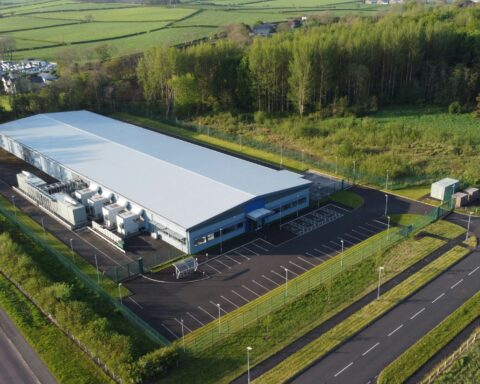
The rise of artificial intelligence applications is fueling rapid expansion in global data center infrastructure. AI systems require enormous cloud computing capacity supported by advanced cooling systems and energy-intensive processing facilities.
Experts say AI technology competition is driving technology companies to secure long-term energy resources and build new infrastructure closer to stable electrical grids.
The expansion of AI facilities is also increasing demand for cybersecurity specialists, cloud engineers, and semiconductor experts worldwide.
Energy Consumption Becomes Major Concern
The increasing scale of artificial intelligence infrastructure has triggered growing concerns about electricity consumption and environmental sustainability. Large AI systems require massive amounts of power during training and operation.
Industry observers warn the rapid pace of AI technology competition could place significant pressure on energy infrastructure if AI adoption continues accelerating globally.
A global energy researcher recently noted:
“AI computing demand is growing faster than many existing energy systems were designed to handle.”
The warning has intensified discussions surrounding renewable energy investment and infrastructure modernization.
Investors Closely Monitor AI Expansion
Investors worldwide are closely monitoring artificial intelligence infrastructure because AI computing capacity is increasingly viewed as one of the most valuable technology assets.
Analysts believe companies capable of scaling AI infrastructure efficiently may gain significant long-term competitive advantages.
The rapid growth of AI technology competition has therefore influenced stock valuations, venture capital investments, and technology spending strategies across international markets.
Governments Increase AI Regulation Discussions
Governments are also expanding discussions regarding AI regulation, cybersecurity standards, and digital sovereignty. Policymakers are attempting to balance technological innovation with concerns surrounding data privacy, misinformation, and national security risks.
Experts say the expanding role of AI technology competition may eventually influence future international trade policies and global economic alliances.

AI Race Continues Reshaping Global Economy
The rapid expansion of artificial intelligence infrastructure demonstrates how AI is becoming central to global economic and technological leadership. As companies and governments increase investment, AI technology competition is expected to remain one of the defining forces shaping the future digital economy.
Supporters argue artificial intelligence can drive innovation, productivity, and scientific advancement, while critics warn rising geopolitical tensions and infrastructure demands may create new long-term challenges.
With global investment continuing to accelerate, the battle for AI leadership is expected to intensify across semiconductors, cloud computing, cybersecurity, and machine learning technologies.