

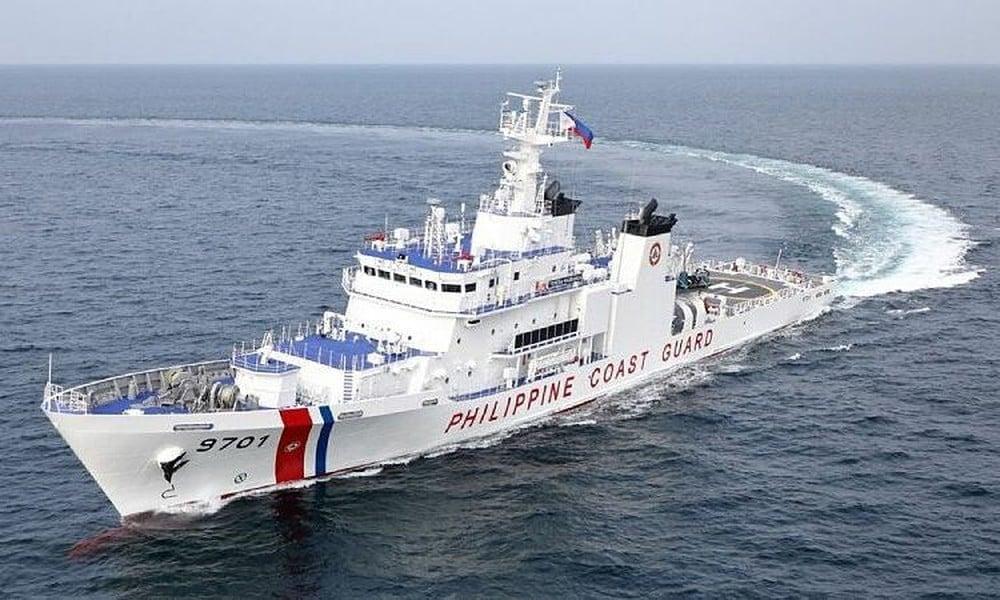
MANILA, Philippines (Parliament Politics Magazine) Philippines China conflict has once again become a focal point of international attention following renewed maritime activities near disputed areas of the South China Sea. The latest developments have intensified discussions about territorial sovereignty, regional security, and the future stability of one of the world’s busiest maritime corridors.
The dispute continues to influence diplomatic relations throughout Asia while drawing interest from global policymakers, security analysts, and economic observers. As competing territorial claims remain unresolved, both countries continue defending their positions while attempting to manage tensions through diplomatic channels.
Maritime Activities Renew International Focus
The recent developments associated with the Philippines China conflict have generated widespread international attention due to the strategic importance of the waters involved. Maritime patrol operations conducted near disputed areas have highlighted the ongoing disagreement between Manila and Beijing regarding territorial rights and jurisdiction.
Chinese authorities maintain that their activities are lawful and consistent with their territorial claims. Philippine officials, meanwhile, continue asserting sovereign rights under international law and have voiced concerns regarding activities occurring within waters they consider part of their exclusive economic zone.
The differing interpretations of maritime rights remain at the heart of the dispute and continue shaping diplomatic exchanges between the two nations.
“The South China Sea remains one of the world’s most important strategic waterways, making every development significant for regional stability.”
Scarborough Shoal Remains a Symbol of the Dispute
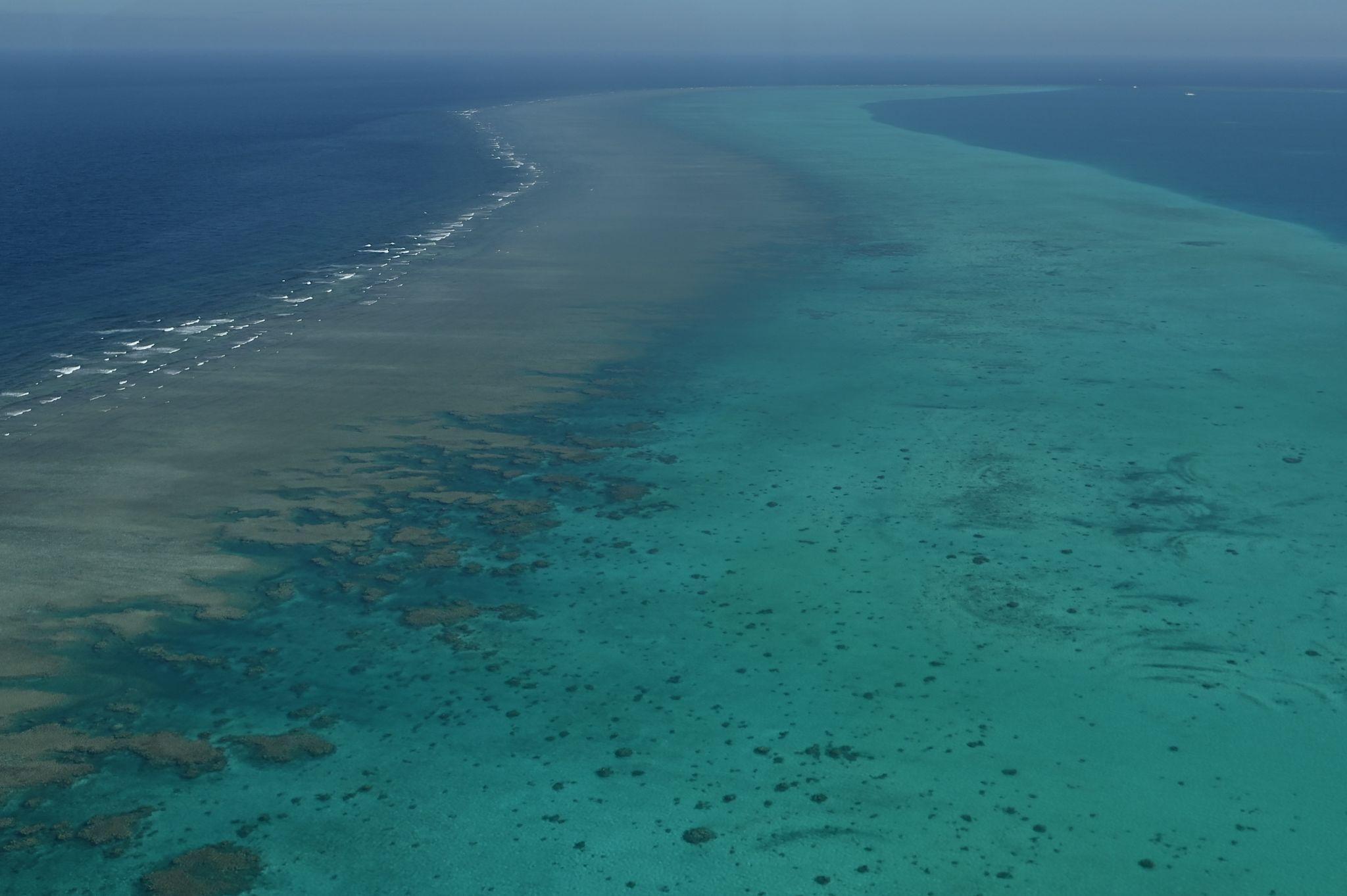
Scarborough Shoal continues to occupy a central position within the Philippines China conflict. Located west of the Philippine island of Luzon, the disputed maritime feature has become one of the most recognized symbols of territorial tensions in the region.
For years, both countries have maintained competing claims over the area. The shoal’s significance extends beyond territorial considerations because of its location near important fishing grounds and maritime routes.
Security experts note that disputes involving strategic maritime features often carry implications that reach far beyond local geography. The continued focus on Scarborough Shoal demonstrates how territorial disagreements can influence broader regional security dynamics.
Philippine Leaders Emphasize Maritime Sovereignty
Philippine officials have increasingly highlighted maritime sovereignty and territorial integrity as essential national priorities. Recent statements from government leaders have emphasized the importance of protecting national interests while preserving stability in the region.
The Philippines China conflict has become closely connected to discussions surrounding maritime security, defense modernization, and the protection of coastal communities. Leaders continue stressing the importance of international law as a framework for resolving disputes peacefully.
At the same time, Manila has sought to strengthen partnerships with regional and international allies while maintaining open diplomatic communication channels.
Beijing Maintains Its Position
Chinese officials continue defending their longstanding territorial claims in the South China Sea. The Philippines China conflict reflects competing interpretations of history, sovereignty, and maritime jurisdiction that have developed over many decades.
Beijing has consistently stated that its activities are aimed at protecting national sovereignty and maritime rights. Chinese authorities have also expressed support for dialogue as the preferred means of managing disputes and avoiding unnecessary escalation.
While differences remain substantial, both governments have repeatedly acknowledged the importance of maintaining communication during periods of tension.
“Dialogue remains essential to ensuring disagreements do not evolve into larger regional challenges.”
Why the South China Sea Matters to the World
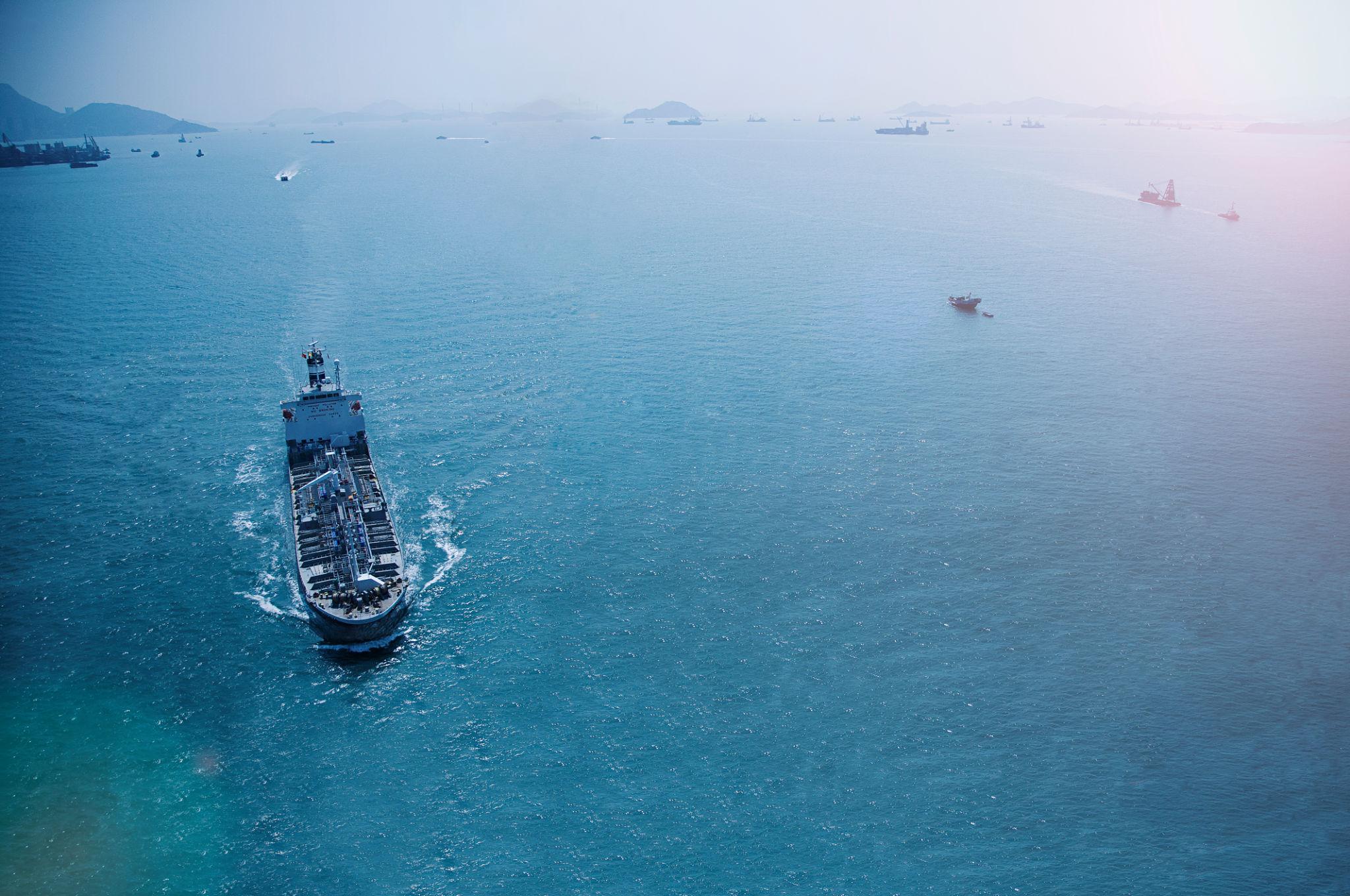
The importance of the Philippines China conflict extends far beyond bilateral relations. The South China Sea serves as one of the world’s most important commercial waterways, supporting international trade and global economic activity.
A significant portion of global shipping passes through the region each year. Energy supplies, manufactured goods, and commercial products move through these waters on a daily basis, making stability an issue of international concern.
Because of this strategic significance, governments and businesses around the world closely monitor developments involving disputed maritime areas. Any increase in tensions has the potential to affect economic confidence and regional security calculations.
Historical Background Continues to Shape Current Events
The origins of the Philippines China conflict stretch back decades and reflect a broader pattern of territorial disputes throughout the South China Sea. Historical claims, competing interpretations of maritime boundaries, and evolving geopolitical interests have all contributed to the complexity of the issue.
Although significant diplomatic and legal developments have occurred over the years, fundamental disagreements remain unresolved. These historical factors continue influencing how both countries approach negotiations and maritime activities today.
Understanding the history behind the dispute helps explain why even routine developments often attract substantial international attention.
Economic Consequences Reach Local Communities
The impact of the Philippines China conflict is not limited to governments and security institutions. Coastal communities, particularly those dependent on fishing and maritime industries, often experience direct consequences from ongoing tensions.
Fishermen operating near disputed waters frequently face uncertainty regarding access and enforcement activities. Local economies that rely on maritime resources can also be affected by changes in regional conditions.
Business leaders and economic organizations continue encouraging peaceful solutions that support both security objectives and sustainable economic development.
Regional Partners Continue Monitoring Developments
Countries throughout the Indo-Pacific remain attentive to developments involving the Philippines China conflict. Regional governments continue advocating for peaceful dispute resolution and adherence to established international norms.
Many nations view stability in the South China Sea as essential to maintaining economic growth and regional security. International observers have repeatedly encouraged all parties to exercise restraint while pursuing diplomatic solutions.
The dispute has become an important element within broader discussions regarding maritime security and geopolitical competition across Asia.
“Regional stability benefits every nation that depends on secure maritime trade and peaceful international relations.”
Diplomatic Engagement Remains the Preferred Path
Despite ongoing tensions, diplomatic engagement continues to be regarded as the most effective means of managing disputes. Officials from both countries have emphasized the importance of communication, dialogue, and confidence-building measures.
The Philippines China conflict demonstrates the challenges associated with resolving complex territorial disagreements while preserving broader bilateral relations. Experts generally agree that sustained diplomatic efforts remain critical to reducing risks and promoting long-term stability.
While significant differences persist, ongoing communication provides opportunities for managing disputes without escalation.
Outlook for the Remainder of 2026
The Philippines China conflict is expected to remain one of the most closely watched geopolitical issues in Asia throughout 2026. Future developments will likely depend on diplomatic initiatives, maritime activities, and broader regional security conditions.
Analysts expect continued attention from governments, international organizations, and security experts as stakeholders seek to balance national interests with regional stability.
Although tensions may continue, most observers believe all parties share an interest in avoiding actions that could significantly increase risks in the region.
Stability Remains the Common Objective
The latest developments surrounding the Philippines China conflict underscore the enduring importance of the South China Sea to regional and global affairs. Maritime patrols, sovereignty claims, and security concerns continue shaping discussions among policymakers and international observers.
While disagreements remain unresolved, diplomatic engagement and peaceful communication continue offering the most practical path forward. As 2026 progresses, the ability of regional stakeholders to manage tensions responsibly will play a major role in determining the future stability of one of the world’s most strategically important maritime regions.