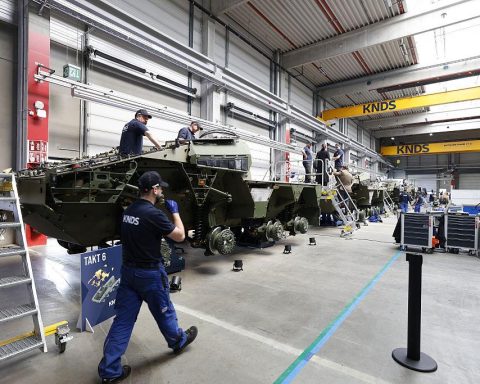
BEIJING, China (Parliament Politics Magazine) China manufacturing slowdown emerged as one of the most closely watched economic developments this month after new data showed factory activity losing momentum amid weakening demand. The latest manufacturing indicators suggest that businesses across multiple sectors are facing a challenging environment marked by slower order growth, softer exports, and cautious consumer spending.
Economists note that the China manufacturing slowdown is occurring at a critical time for the country’s broader economic recovery. Manufacturing remains a key driver of employment, exports, and industrial output, making its performance an important indicator for both domestic and global markets.
Factory Activity Shows Signs of Weakening
Recent economic readings indicate that factories experienced slower expansion during May compared with earlier expectations. Businesses reported reduced growth in new orders, while inventory levels remained elevated in several manufacturing sectors.
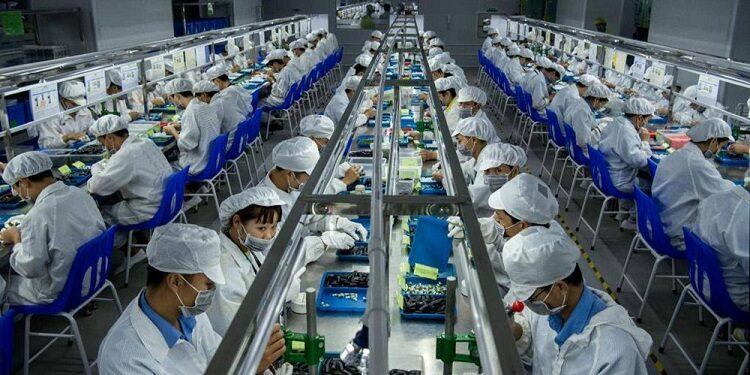
The China manufacturing slowdown has been particularly noticeable among companies producing consumer goods, machinery, electronics, and industrial products. While production continues, many factories are operating below optimal capacity due to softer demand conditions.
Analysts suggest that businesses are becoming increasingly cautious about increasing production until clearer signs of demand recovery emerge.
“Manufacturing strength ultimately depends on customer demand, and current conditions show that buyers remain cautious,”
said one market analyst.
Domestic Consumption Remains Under Pressure
One major factor behind the China manufacturing slowdown is weaker-than-expected domestic spending. Consumers continue to prioritize savings and essential purchases rather than discretionary spending.
Several economic challenges continue influencing consumer behavior:
- Property market uncertainty
- Employment concerns
- Slower wage growth
- Reduced household confidence
As a result, manufacturers are seeing fewer large-scale orders from retailers and distributors compared with previous growth periods.
The China manufacturing slowdown highlights the importance of restoring consumer confidence to support broader economic expansion.
Export Markets Provide Limited Relief
While exports remain an important source of industrial demand, overseas markets have not fully offset weaker domestic consumption.
Global economic uncertainty, slower growth among key trading partners, and evolving trade conditions have contributed to softer international demand.
Many exporters report that foreign customers are placing smaller orders and extending purchasing timelines. Consequently, the China manufacturing slowdown continues affecting companies that depend heavily on international sales.
“Export performance remains important, but global demand alone cannot solve all manufacturing challenges,”
noted an industry observer.

Businesses Focus on Cost Control
Facing uncertain market conditions, manufacturers are increasingly emphasizing efficiency and financial discipline.
Companies are responding through:
- Inventory reductions
- Cost-cutting initiatives
- Automation investments
- Supply-chain optimization
- Delayed expansion plans
The China manufacturing slowdown has encouraged many business leaders to focus on operational resilience rather than aggressive growth.
Although these measures may improve long-term competitiveness, they also reflect the cautious mood currently prevailing across much of the industrial sector.
Government Support Measures Continue
Chinese authorities have introduced several initiatives aimed at supporting economic activity and industrial production.
Current policy priorities include:
- Infrastructure investment
- Technology development
- Financial assistance programs
- Industrial modernization
- Consumer spending incentives
Officials hope these measures will help offset some of the pressures contributing to the China manufacturing slowdown and encourage stronger business activity later in the year.
However, economists caution that policy support often requires time before measurable improvements appear in economic data.
Technology Industries Remain More Resilient
Despite broader challenges, certain advanced manufacturing sectors continue demonstrating relative strength.
Industries connected to:
- Artificial intelligence
- Electric vehicles
- Renewable energy
- Semiconductors
- Industrial robotics
have maintained stronger growth compared with traditional manufacturing categories.
Even amid the China manufacturing slowdown, these sectors benefit from long-term investment trends and strategic government support.
Their performance offers some optimism regarding the future direction of China’s industrial economy.
Historical Perspective on China’s Manufacturing Cycles
China’s manufacturing sector has experienced multiple periods of expansion and moderation over the past two decades. While today’s conditions present challenges, previous cycles demonstrate the sector’s ability to adapt and recover.
Historical Cycles Table
| Period | Manufacturing Trend | Primary Driver |
|---|---|---|
| 2003-2007 | Rapid Expansion | Export Boom |
| 2008-2009 | Slowdown | Global Financial Crisis |
| 2010-2013 | Recovery | Stimulus Spending |
| 2015-2016 | Moderation | Economic Rebalancing |
| 2020 | Disruption | Pandemic Impact |
| 2021-2023 | Recovery | Global Demand Surge |
| 2025-2026 | Current Slowdown | Weak Demand Conditions |
The current China manufacturing slowdown differs from some previous cycles because demand weakness, rather than production constraints, remains the primary concern.
Global Markets Closely Monitor Developments
China’s manufacturing sector plays a central role in global supply chains and international trade.
As a result, the China manufacturing slowdown has implications extending far beyond China’s borders.
Potential impacts include:
- Commodity demand fluctuations
- Shipping volume changes
- Supply-chain adjustments
- Export market volatility
- Investment sentiment shifts
Investors worldwide continue monitoring Chinese factory data for signals regarding future economic growth.
“China remains a major engine of global manufacturing, making its industrial performance important for international markets.”
Outlook for the Second Half of 2026
Looking ahead, economists expect the pace of recovery to depend largely on improvements in demand.
Key indicators to watch include:
- Consumer spending trends
- Retail sales growth
- Export performance
- Business investment activity
- Government stimulus effectiveness
Many analysts believe the China manufacturing slowdown could ease if domestic demand strengthens and international markets stabilize.
However, current conditions suggest that manufacturers may continue facing a challenging environment in the months ahead.
Demand Recovery Holds the Key
The latest economic data underscores the reality that China manufacturing slowdown remains a significant challenge for policymakers, businesses, and investors. Factory activity in May 2026 reflected weaker demand conditions, cautious business sentiment, and slower order growth.
While advanced industries continue showing resilience and government support measures remain in place, sustainable improvement will likely depend on stronger consumer confidence and healthier demand trends.
For now, the China manufacturing slowdown serves as an important reminder that economic recovery is rarely uniform and often requires both policy support and renewed market confidence to regain momentum.