

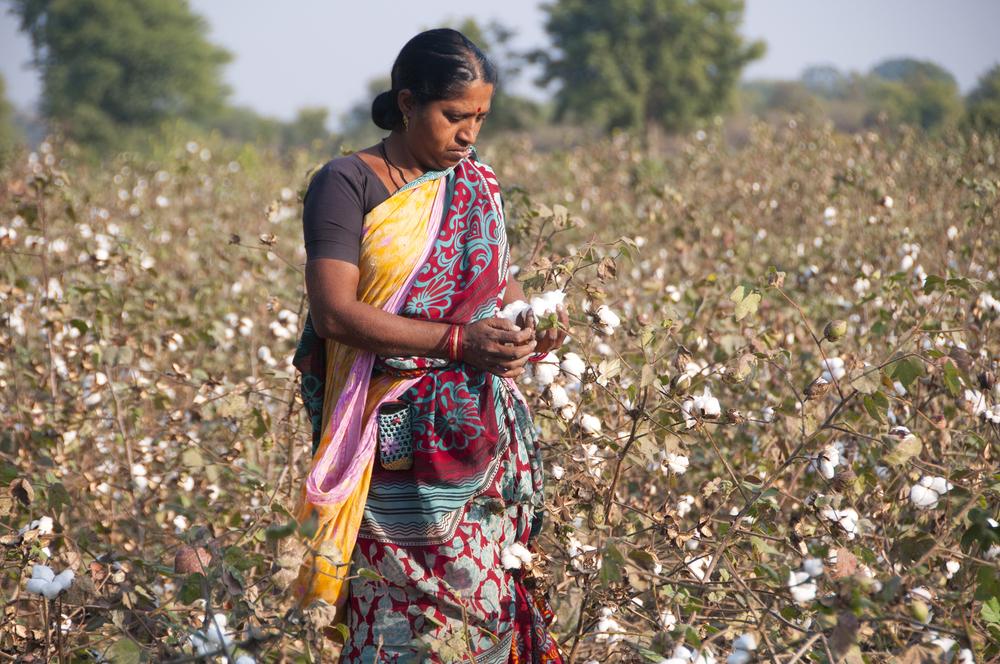
NEW DELHI, India (Parliament Politics Magazine) India textile exports are receiving renewed attention after the government announced a five-month suspension of cotton import duties, a move designed to support manufacturers and improve competitiveness in global markets. The decision comes as exporters navigate rising production costs, changing trade conditions, and increasing competition from international suppliers.
The textile sector remains one of India’s largest manufacturing industries and a major source of employment. Industry representatives believe the policy change could provide immediate relief by improving access to cotton while helping companies manage operational expenses.
The latest development has positioned India textile exports at the center of discussions involving trade policy, industrial growth, and economic strategy.
“Competitive raw material costs remain one of the most important factors influencing export performance.”
Government Targets Export Competitiveness
The decision to suspend cotton import duties reflects efforts to strengthen India textile exports in an increasingly competitive global marketplace.
Exporters often compete against manufacturers from countries that benefit from lower production costs and streamlined supply chains. Reducing import costs may allow Indian producers to improve pricing flexibility while maintaining product quality.
Officials have indicated that supporting export-oriented industries remains an important component of broader economic growth objectives.
Industry analysts believe the measure could help manufacturers respond more effectively to global demand.
Cotton Availability Remains a Critical Industry Issue
Reliable access to cotton remains essential for supporting India textile exports.
Manufacturers depend on consistent supplies of raw materials to meet production schedules and fulfill international orders. Fluctuations in cotton availability or pricing can directly influence profitability and competitiveness.
By temporarily removing import duties, policymakers aim to provide manufacturers with additional sourcing options while reducing potential supply constraints.
Industry organizations have generally welcomed measures designed to improve supply-chain flexibility.
Textile Manufacturers Welcome the Policy Change
Many companies involved in India textile exports have expressed support for the government’s decision.
Business leaders argue that lower raw material costs could improve margins and create opportunities for expanding production. Export-oriented firms may particularly benefit because cotton represents a significant portion of manufacturing expenses.
The ability to source imported cotton at lower costs may also help companies adapt to changing market conditions.
Manufacturers continue evaluating how the policy could influence future production and investment decisions.
“Access to affordable inputs can significantly improve a manufacturer’s ability to compete internationally.”
Global Markets Influence Domestic Decisions
The latest policy affecting India textile exports reflects broader developments within global commodity markets.
Cotton prices are influenced by weather conditions, agricultural output, transportation costs, and international demand. These factors can create volatility that affects manufacturers worldwide.
Governments often adjust trade policies in response to market conditions in an effort to support key industries.
The temporary suspension of import duties is being viewed as a targeted measure designed to address immediate challenges facing exporters.
Employment and Economic Activity Could Benefit
The importance of India textile exports extends beyond manufacturing facilities alone.
The textile industry supports millions of jobs across farming, processing, logistics, retail, and export sectors. Growth within the industry can therefore influence broader economic activity and employment opportunities.
Industry observers note that stronger export performance may generate positive effects throughout the supply chain.
Many policymakers continue viewing textile manufacturing as an important contributor to economic development.
International Demand Remains an Important Factor
The future performance of India textile exports will depend not only on production costs but also on global demand conditions.
Exporters continue serving customers across Europe, North America, Asia, the Middle East, and other international markets. Consumer spending trends, economic growth, and trade policies all influence purchasing decisions.
While improved access to cotton may support competitiveness, market demand remains a critical factor shaping export outcomes.
Analysts continue monitoring international conditions closely.
“Strong export industries depend on both competitive production costs and healthy global demand.”
Historical Importance of India’s Textile Sector
The story of India textile exports is deeply connected to the country’s economic history.
India has long been recognized as a major producer of textiles, with manufacturing traditions stretching back centuries. The sector has evolved significantly through industrialization, globalization, and technological advancement.
Today, textiles remain among the country’s most important export industries, contributing significantly to employment and economic output.
Historical experience continues influencing policy decisions designed to strengthen competitiveness and support growth.
Supply Chains Continue Evolving
Modern supply chains play a major role in shaping the success of India textile exports.
Manufacturers increasingly focus on efficiency, flexibility, and resilience when managing sourcing strategies and production operations.
The latest policy change may help companies diversify supply options while improving access to essential raw materials.
As global supply chains continue evolving, businesses are seeking ways to remain competitive in changing market environments.
Trade Policy Supports Industrial Growth
Trade policy remains an important tool for supporting India textile exports and broader industrial development.
Governments frequently use targeted measures to address sector-specific challenges while promoting economic growth and international competitiveness.
The temporary suspension of cotton import duties reflects one example of how policy adjustments can influence industry performance.
Economists note that effective trade policies often seek to balance the interests of producers, exporters, consumers, and agricultural stakeholders.
What the Duty Suspension Means for Exporters
The policy change is expected to provide manufacturers with additional flexibility while helping manage production costs.
The latest development involving India textile exports may improve competitiveness, strengthen supply chains, and support export activity during the coming months.
Industry leaders remain cautiously optimistic regarding the potential benefits of improved cotton availability and lower input costs.
The ultimate impact will depend on market conditions and international demand trends.
What India Textile Exports Mean for Future Manufacturing Growth
The government’s decision highlights the strategic importance of textiles within India’s economy. By supporting exporters through temporary duty relief, policymakers aim to strengthen one of the country’s most significant manufacturing sectors.
As businesses respond to improved access to imported cotton, the coming months may provide valuable insight into how targeted policy measures can influence competitiveness, trade performance, and industrial growth. The future direction of India textile exports will remain closely watched by manufacturers, investors, and policymakers alike.