NEW DELHI, India (Parliament Politics Magazine) Consumer price growth may accelerate in the coming months as India faces the combined challenge of weaker monsoon conditions and rising fuel prices, according to government assessments and economic forecasts released this week. Officials say weather-related disruptions and energy market volatility could place upward pressure on household expenses, food costs, and transportation prices across the country.
The warning comes as policymakers seek to balance economic growth with price stability in one of the world’s fastest-growing major economies.
Key Factors Affecting Inflation Outlook
Current economic conditions suggest that agricultural production, fuel costs, transportation expenses, and supply chain efficiency will play major roles in determining future inflation trends. Analysts believe monsoon performance and global energy prices will remain the most closely watched indicators throughout the remainder of 2026.
Weak Monsoon Raises Agricultural Concerns
A major driver behind concerns over consumer price growth is the outlook for seasonal rainfall. India’s agricultural sector depends heavily on monsoon rains, which support crop production across large portions of the country.
If rainfall levels remain below expectations, crop yields may decline, reducing food supplies and increasing market prices. Products such as vegetables, grains, fruits, and pulses are particularly vulnerable to weather-related disruptions.
Economists note that food expenses represent a substantial portion of household spending in India, making agricultural performance a critical factor in overall inflation trends.
“Monsoon conditions remain one of the most important influences on India’s food prices and economic stability,”
said an agricultural market analyst.
Rising Fuel Prices Add New Pressure
Another factor contributing to consumer price growth is the increase in fuel prices observed in recent months.
Higher energy costs affect transportation networks, manufacturing operations, and product distribution systems. As businesses face rising operating expenses, those costs are often passed on to consumers through higher prices.
India remains sensitive to changes in global oil markets because of its significant energy import requirements. Fluctuations in crude oil prices can quickly influence domestic transportation and logistics expenses.
Economic experts believe fuel costs could become one of the most important inflation drivers if global energy markets remain volatile.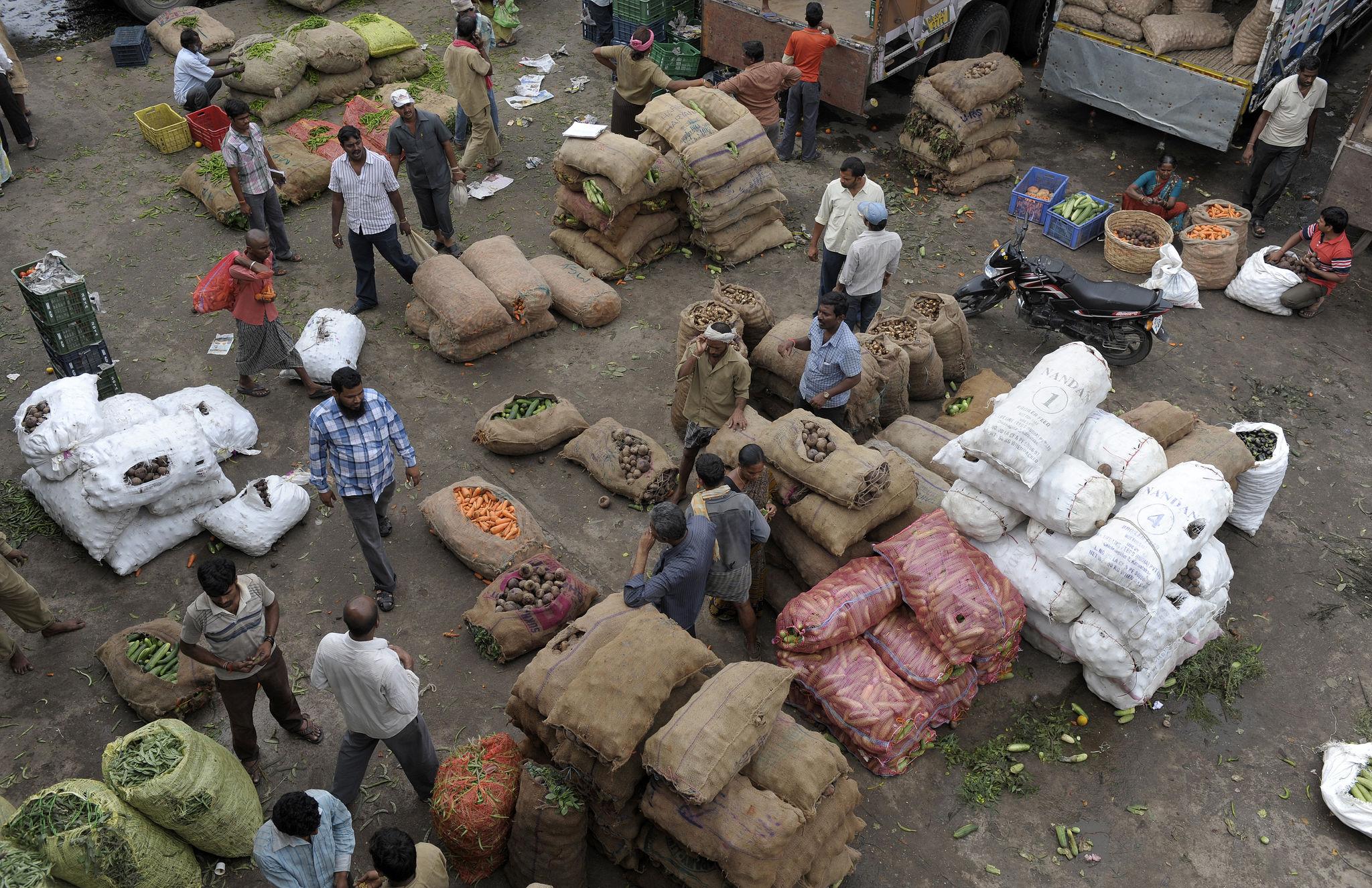
Households Could Feel the Impact Across Multiple Categories
If consumer price growth accelerates, the effects may extend beyond food and fuel.
Households could experience higher costs for daily necessities, transportation services, consumer products, and utility expenses. Lower-income families are often affected most because a larger share of their income is devoted to essential purchases.
Analysts say sustained inflation can reduce purchasing power and influence consumer spending behavior. When household budgets become stretched, discretionary purchases often decline, affecting broader economic activity.
The government’s warning reflects concerns that inflationary pressures could become more widespread if weather and energy conditions worsen.
egarding consumer price growth are not new to India. The country has experienced several inflation cycles over recent decades linked to agricultural disruptions, commodity price shocks, and global economic events.
Historically, weak monsoon seasons have often contributed to higher food prices, while increases in global oil prices have affected transportation and production
Historical Perspective on India’s Inflation Trends
Concerns regarding consumer price growth are not new to India. The country has experienced multiple inflation cycles over the past several decades, often influenced by weather conditions, energy prices, global commodity markets, and domestic supply constraints.
During periods of weak monsoon rainfall, food prices have historically increased due to reduced agricultural output and tighter supplies. Likewise, sharp increases in global crude oil prices have frequently contributed to higher transportation and production costs, placing additional pressure on consumers.
In the early 1990s, economic reforms brought both growth opportunities and pricing adjustments. During the late 2000s, global commodity and energy market volatility created significant inflationary pressures. More recently, pandemic-related disruptions affected supply chains and increased costs across numerous sectors.
Today, policymakers continue studying these historical patterns as they evaluate current inflation risks. Understanding how previous economic cycles developed helps authorities prepare responses to emerging challenges involving food security, energy markets, and consumer spending.
Government and Central Bank Monitoring Conditions
Authorities are closely tracking consumer price growth indicators as they assess future economic conditions.
The country’s central bank continues monitoring inflation trends, commodity prices, weather forecasts, and international market developments. Government agencies are also reviewing agricultural production estimates and supply chain conditions.
Policymakers have repeatedly emphasized the importance of maintaining price stability while supporting economic expansion. Any significant increase in inflation could influence future policy decisions.
“Managing inflation requires constant attention to both domestic and international economic developments,”
noted a market strategist.
Businesses Prepare for Cost Increases
Many companies are already preparing for the possibility that consumer price growth could strengthen during the second half of the year.
Manufacturers, retailers, transportation providers, and food producers are evaluating supply chain risks and input costs. Some businesses may absorb a portion of rising expenses, while others may adjust prices to protect profit margins.
The degree to which companies pass costs on to consumers will play a major role in shaping future inflation levels.
Business leaders continue monitoring both weather forecasts and fuel markets as part of their planning strategies.
Global Economic Developments Remain Important
In addition to domestic challenges, consumer price growth is influenced by international economic conditions.
Commodity prices, shipping costs, trade flows, and currency movements all affect inflation dynamics. Global energy markets remain especially important because of India’s reliance on imported fuel.
Financial analysts say international developments could either ease or intensify inflationary pressures depending on how commodity and energy markets evolve over the coming months.
“Inflation often reflects a combination of local conditions and global market forces working together,”
said an economic researcher.

What India’s Inflation Outlook Means for the Future
The outlook for consumer price growth will depend heavily on weather conditions, fuel prices, agricultural production, and broader economic trends.
A stronger-than-expected monsoon season could help stabilize food prices and reduce inflation risks. However, continued rainfall shortages and sustained increases in energy costs could place additional pressure on households and businesses.
The latest government warning highlights the importance of closely monitoring these factors as India navigates a complex economic environment. Policymakers, businesses, and consumers alike will be watching inflation indicators carefully throughout the remainder of 2026.