


JOHANNESBURG, South Africa (Parliament Politics Magazine) Emerging market currencies remained under pressure on Monday as investors awaited the release of South Africa’s manufacturing purchasing managers’ index (PMI) and monthly vehicle sales figures. Financial markets entered the week cautiously, with traders looking for signs of economic momentum in one of Africa’s largest economies.
The latest movement in the South African rand reflects broader uncertainty affecting emerging market currencies globally. Investors continue to assess domestic growth prospects while monitoring inflation trends, commodity prices, and monetary policy expectations from major central banks.
Manufacturing Sector Report Becomes Market Focus
The manufacturing PMI is expected to be one of the most closely watched economic releases of the week. The report measures business activity across factories and industrial operations, providing insight into production levels, new orders, employment conditions, and overall business confidence.
Economists believe the data could reveal whether South Africa’s manufacturing sector is gaining momentum or continuing to face headwinds from global economic uncertainty. A stronger reading would likely support confidence in the local economy, while weaker results could raise concerns about growth prospects.
For investors trading emerging market currencies, manufacturing activity remains an important indicator because industrial production often influences broader economic performance.
“Manufacturing data often provides one of the earliest signals about the direction of economic growth,”
said a market analyst monitoring African financial markets.
Vehicle Sales Data May Reflect Consumer Confidence
Alongside manufacturing figures, investors are awaiting vehicle sales statistics that could provide a clearer picture of consumer and business spending patterns.
The automotive sector plays an important role in South Africa’s economy, contributing significantly to employment, exports, and industrial production. Vehicle purchases are frequently viewed as a measure of economic confidence because consumers and businesses tend to delay major purchases during periods of uncertainty.
Analysts expect the latest figures to help determine whether domestic demand is improving. Stronger sales could support optimism surrounding economic activity, while weaker numbers may suggest continued caution among buyers.
The results are expected to influence sentiment toward emerging market currencies throughout the region.
Global Trends Continue to Shape Market Sentiment
While domestic economic indicators remain important, global developments continue to play a major role in determining the performance of emerging market currencies.
Investors are closely monitoring inflation trends, interest rate expectations, and economic growth forecasts across major economies. Any shift in global monetary policy can affect investment flows into developing markets.
Periods of stronger global growth often encourage investors to seek higher returns in emerging economies. Conversely, uncertainty frequently drives capital toward traditionally safer assets.
These dynamics have created additional volatility for emerging market currencies during the first half of 2026.

Commodity Markets Remain a Key Factor
South Africa’s economy maintains strong links to global commodity markets through exports of minerals, metals, and agricultural products. As a result, changes in commodity demand can significantly influence economic performance and investor sentiment.
When commodity prices rise, export revenues generally increase, providing support for economic growth. When prices fall, governments, businesses, and investors often face greater challenges.
This relationship remains particularly important for emerging market currencies, many of which depend heavily on exports of natural resources.
“Commodity trends continue to be one of the most important external drivers of developing-market economies,”
noted a Johannesburg-based economist.
Historical Cycles Show Recurring Market Patterns
Financial historians often point out that currency markets move through recurring cycles influenced by growth expectations, interest rates, inflation pressures, and investor confidence.
Over the past two decades, developing economies have experienced periods of rapid capital inflows followed by episodes of volatility when global financial conditions tightened. Similar patterns continue to influence emerging market currencies today.
Understanding these cycles helps investors evaluate whether short-term market fluctuations reflect temporary concerns or longer-term structural trends.
Investors Watch for Economic Direction
The upcoming reports are expected to provide valuable clues regarding South Africa’s economic trajectory during the remainder of 2026. Policymakers, businesses, and financial markets will be looking beyond the headline numbers to assess underlying trends in production and demand.
A combination of stronger manufacturing activity and healthy vehicle sales could improve confidence in economic growth prospects. However, disappointing figures may reinforce concerns about slower expansion amid ongoing global challenges.
The outcome could influence trading activity across emerging market currencies as investors compare growth opportunities among developing economies.
“Economic data matters because it helps investors separate optimism from reality,”
said one regional market strategist.
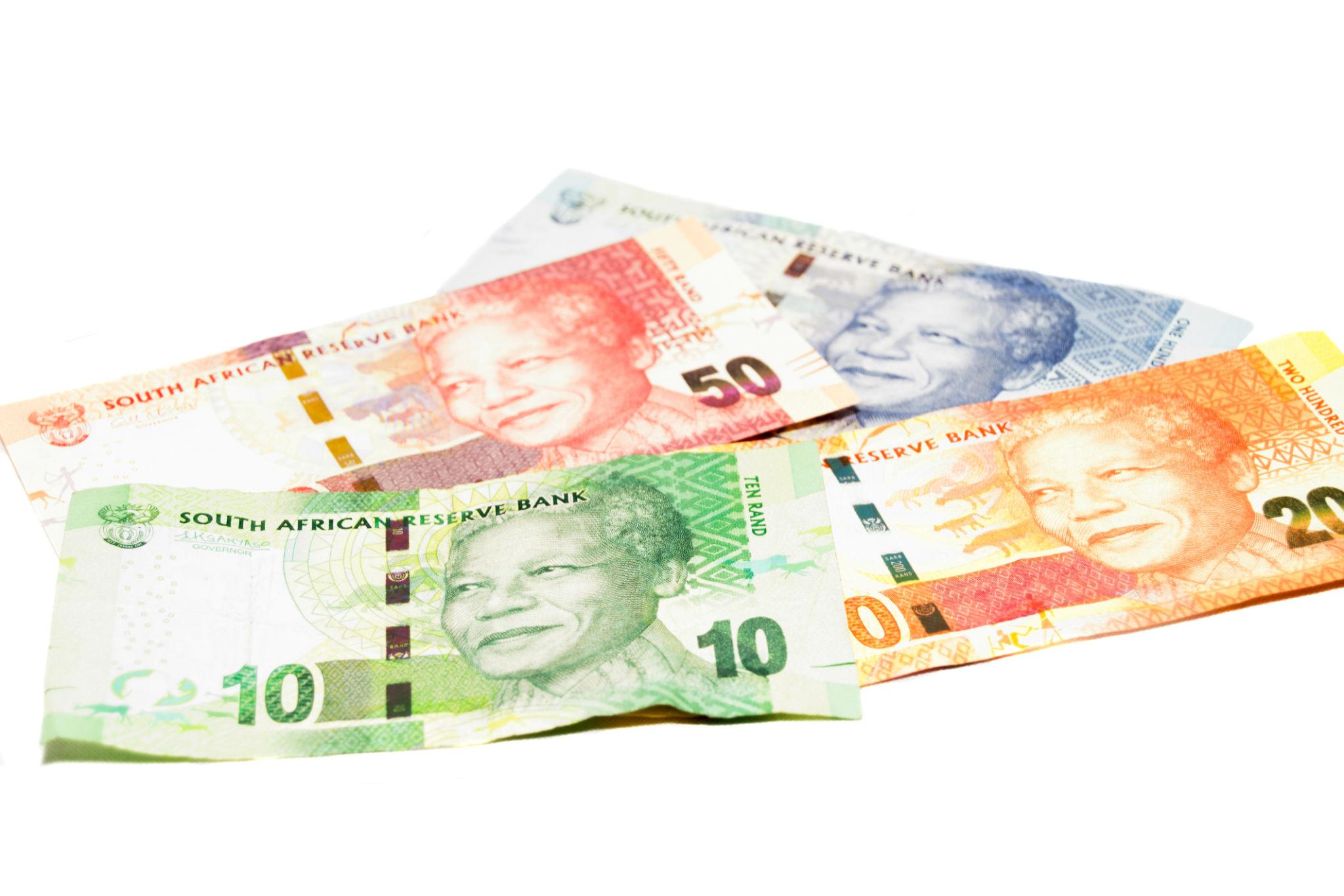
Economic Reports Could Set the Tone for Markets
As investors await South Africa’s latest manufacturing PMI and vehicle sales figures, attention remains focused on the outlook for growth, business confidence, and consumer demand. The reports are expected to provide important insight into the strength of the economy and could influence market sentiment in the weeks ahead.
For global investors, the performance of emerging market currencies will continue to depend on a combination of domestic economic fundamentals and broader international developments. While uncertainty remains, upcoming data releases may offer a clearer indication of whether economic momentum is strengthening or slowing as 2026 progresses.