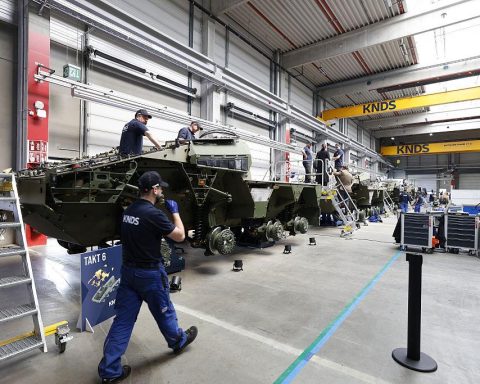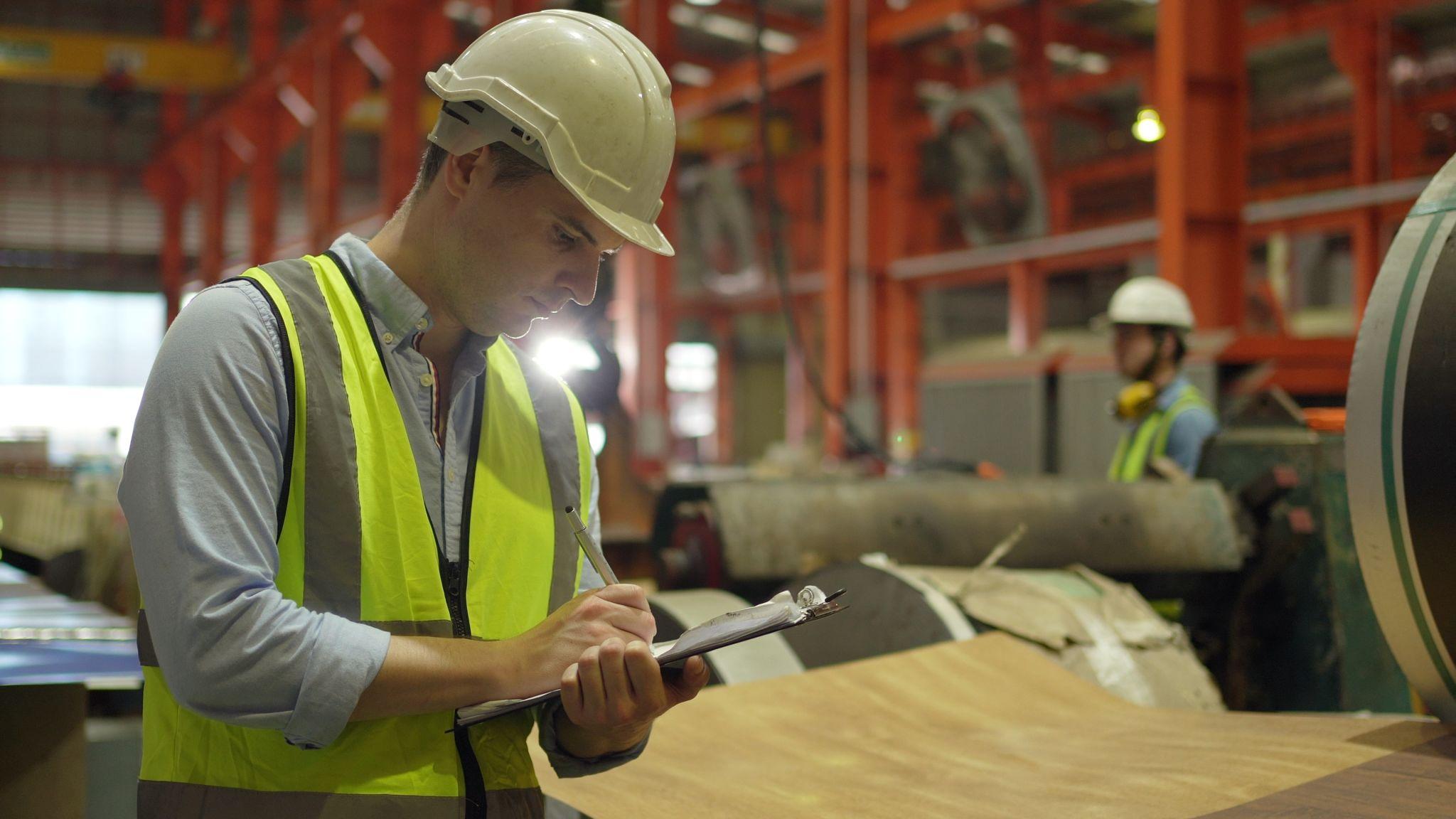
MADRID, Spain (Parliament Politics Magazine) factory output growth slowed during the latest reporting period as supply-chain disruptions and delivery delays continued affecting manufacturing operations across Spain. Recent Purchasing Managers’ Index (PMI) data suggests industrial activity remains in expansion territory, but production momentum has weakened as businesses struggle with logistical challenges and extended supplier lead times.
The latest figures indicate that manufacturers remain active despite operational difficulties. However, the moderation in factory output growth highlights ongoing concerns regarding the efficiency of supply networks and their impact on industrial production.
“Manufacturers continue operating in a complex environment where supply-chain reliability remains critical to production performance,”
said an industry economist.
PMI Data Reflects Slower Industrial Expansion
The latest PMI report provides one of the clearest indicators of manufacturing sector conditions.
Survey responses suggest factory output growth remains positive but has slowed compared with previous periods. Businesses reported difficulties obtaining materials and components on schedule, creating additional pressure on production planning.
Longer supplier delivery times have forced some manufacturers to adjust operating schedules and inventory management strategies. While customer demand remains relatively stable, production efficiency has become increasingly dependent on supply-chain performance.
Economists view the latest PMI data as evidence that operational challenges continue influencing industrial momentum.
Supply Delays Continue Affecting Production Schedules
Reliable access to materials remains essential for modern manufacturing operations.
The recent slowdown in factory output growth has been linked to transportation bottlenecks, delayed shipments, and supplier constraints that have affected production workflows. Manufacturers across multiple industries reported challenges in securing components needed to maintain normal operating levels.
These disruptions can increase costs and reduce productivity, particularly when businesses must modify schedules to accommodate delayed deliveries.
Many firms are responding by increasing inventory levels and expanding supplier networks to reduce future risks.
Domestic Demand Helps Support Industrial Activity
Despite logistical challenges, domestic economic conditions continue providing support for manufacturers.
Consumer spending, business investment, and ongoing economic activity have helped offset some of the pressures affecting factory output growth. Companies serving domestic markets generally report more stable demand conditions than businesses heavily dependent on exports.
Strong internal demand has helped manufacturers maintain production levels even as supply-chain disruptions create operational obstacles.
Analysts believe domestic consumption remains one of the key factors supporting industrial resilience.
“Internal demand continues providing an important foundation for manufacturing activity despite external challenges,”
noted a European market analyst.
Export Markets Remain Important for Manufacturers
Spain’s industrial sector relies on international trade to support production and revenue growth.
Changes in export demand can significantly influence factory output growth, particularly in industries such as automotive manufacturing, machinery production, chemicals, and industrial equipment.
Global economic uncertainty and changing trade patterns have contributed to a more cautious business environment. Nevertheless, many exporters continue identifying opportunities in key international markets.
The ability to maintain competitive production capabilities remains essential for long-term industrial success.
Rising Costs Challenge Industrial Businesses
Manufacturers continue facing cost pressures related to transportation, labor, energy, and raw materials.
These factors have become increasingly important as businesses seek ways to maintain profitability while supporting factory output growth. Companies are investing in technology, automation, and operational improvements designed to improve efficiency and reduce long-term expenses.
Many industry leaders view productivity enhancements as critical to maintaining competitiveness in a challenging economic environment.
Investments in digital manufacturing tools and advanced production systems remain areas of strategic focus.
Historical Perspective on Industrial Production Cycles
The current slowdown in factory output growth can be better understood through historical manufacturing cycles.
Spain’s industrial sector has experienced multiple periods of expansion and moderation over the past several decades. Economic growth, trade activity, technological innovation, and global demand have all influenced manufacturing performance at various times.
Historical patterns suggest that temporary slowdowns often occur during periods of supply disruption or economic uncertainty. However, industrial sectors frequently recover as market conditions stabilize and operational efficiency improves.
This perspective provides important context for evaluating current manufacturing trends.
European Industry Faces Similar Challenges
Manufacturing businesses across Europe continue dealing with many of the same issues affecting Spain.
Supply-chain constraints, transportation disruptions, labor shortages, and changing customer demand have influenced factory output growth throughout the region. Companies are increasingly focusing on resilience strategies designed to strengthen operations and reduce exposure to future disruptions.
These efforts include diversifying suppliers, investing in automation, and improving logistics planning.
Many economists believe such initiatives could improve industrial performance over the longer term.
Investors Monitor Manufacturing Indicators Closely
Manufacturing data remains an important economic indicator for financial markets.
Investors frequently analyze PMI reports, industrial production figures, and export statistics when evaluating broader economic conditions. The latest developments involving factory output growth are being closely watched for signals regarding business activity and future economic momentum.
Strong manufacturing sectors often support employment, investment, and economic expansion, making industrial performance an important measure of economic health.
Future reports may provide additional insight into whether production activity stabilizes or continues slowing.
Outlook for Industrial Activity in 2026
Economists remain cautiously optimistic regarding Spain’s manufacturing outlook.
While supply delays continue affecting operations, businesses are actively implementing strategies designed to improve efficiency and strengthen production capabilities. Future developments involving trade demand, logistics performance, and investment activity will likely influence factory output growth throughout the remainder of the year.
Many analysts believe improving supply-chain conditions could help restore stronger industrial momentum.
At the same time, manufacturers remain focused on adapting to evolving economic and operational challenges.
What This Means Going Forward
The latest PMI data indicates that factory output growth remains positive but is facing increasing pressure from supply delays and logistical disruptions. While industrial activity continues expanding, businesses must navigate operational challenges that affect productivity and production schedules.
Strong domestic demand, ongoing investment, and efforts to strengthen supply chains provide reasons for cautious optimism. However, future manufacturing performance will depend largely on the ability of companies and logistics networks to address current constraints.
As Spain’s industrial sector continues adapting to changing economic conditions, future manufacturing data will offer valuable insight into the direction of industrial activity and broader economic performance during the remainder of 2026.