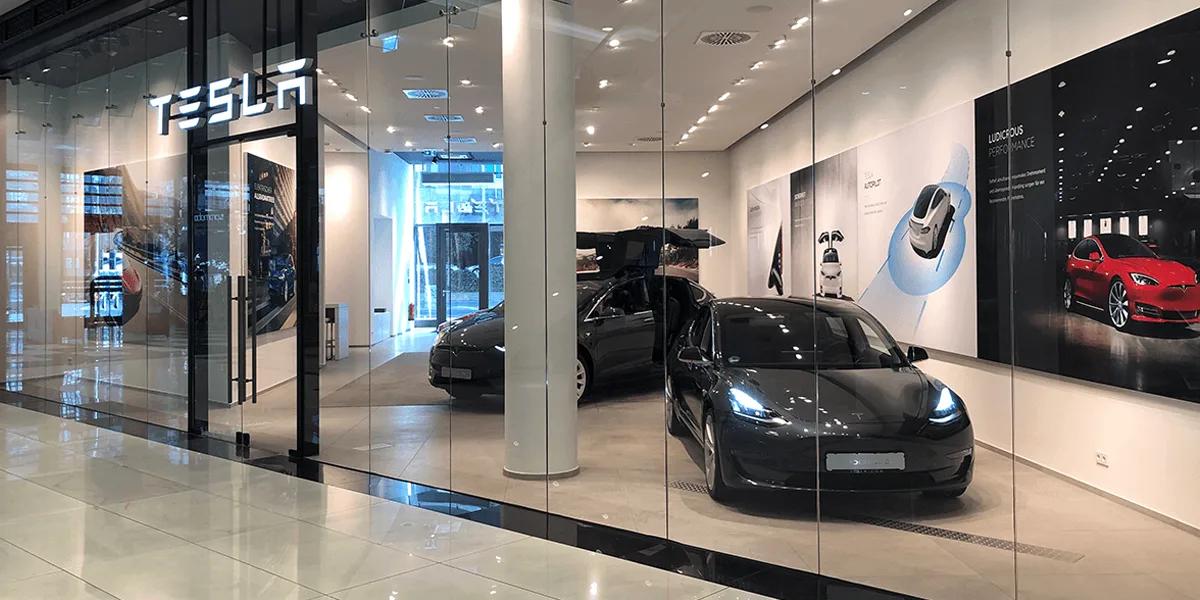
STOCKHOLM, Sweden (Parliament Politics Magazine) Tesla sales growth received a significant boost in May after vehicle registrations in Sweden increased 71% compared with the same month a year earlier. The latest figures suggest renewed strength for the electric vehicle manufacturer in one of Europe’s most established EV markets and offer a positive signal for investors monitoring consumer demand across the automotive sector.
The increase comes as competition in the electric vehicle industry continues intensifying, with manufacturers worldwide introducing new battery-powered models. Despite these challenges, Tesla sales growth appears to be benefiting from strong brand recognition, expanding charging infrastructure, and sustained interest in electric transportation.
“The Swedish registration figures indicate that consumer demand for electric vehicles remains healthy despite growing competition,”
said an automotive industry analyst.
Sweden Remains a Key Market for Electric Vehicles
Sweden has long been considered one of Europe’s leading markets for electric vehicle adoption. Government policies supporting lower-emission transportation, combined with extensive charging infrastructure, have encouraged consumers to transition toward battery-powered vehicles.
The latest increase in registrations has strengthened optimism surrounding Tesla sales growth, particularly as the company navigates changing market dynamics across Europe. Industry observers note that Sweden often serves as an important indicator of broader trends within the Nordic EV market.
Consumer interest in sustainability and lower operating costs continues supporting demand for electric mobility solutions throughout the region.
Strong Brand Recognition Supports Demand
Tesla remains one of the most recognizable names in the global automotive industry. The company’s focus on innovation, software integration, battery technology, and charging infrastructure has helped establish a loyal customer base.
Many analysts believe strong brand value continues contributing to Tesla sales growth even as rival manufacturers increase their presence in the electric vehicle segment. Consumers often cite technology features, charging accessibility, and vehicle performance as major factors influencing purchasing decisions.
These advantages remain important as buyers evaluate an expanding range of EV options.
European Competition Continues to Intensify
The European electric vehicle market has become increasingly competitive over the past several years. Traditional automakers and emerging EV companies alike are investing heavily in new products designed to attract environmentally conscious consumers.
Despite these developments, Tesla sales growth has shown signs of resilience in markets where charging infrastructure and consumer awareness remain strong. Industry experts suggest that overall EV demand is expanding fast enough to support multiple manufacturers simultaneously.
This broader market growth may provide opportunities for continued industry expansion rather than simply shifting market share among competitors.
“The electric vehicle market is growing larger, creating room for several successful manufacturers,”
noted a transportation researcher.

Charging Networks Remain a Competitive Advantage
Access to reliable charging infrastructure remains one of the most important factors affecting electric vehicle adoption.
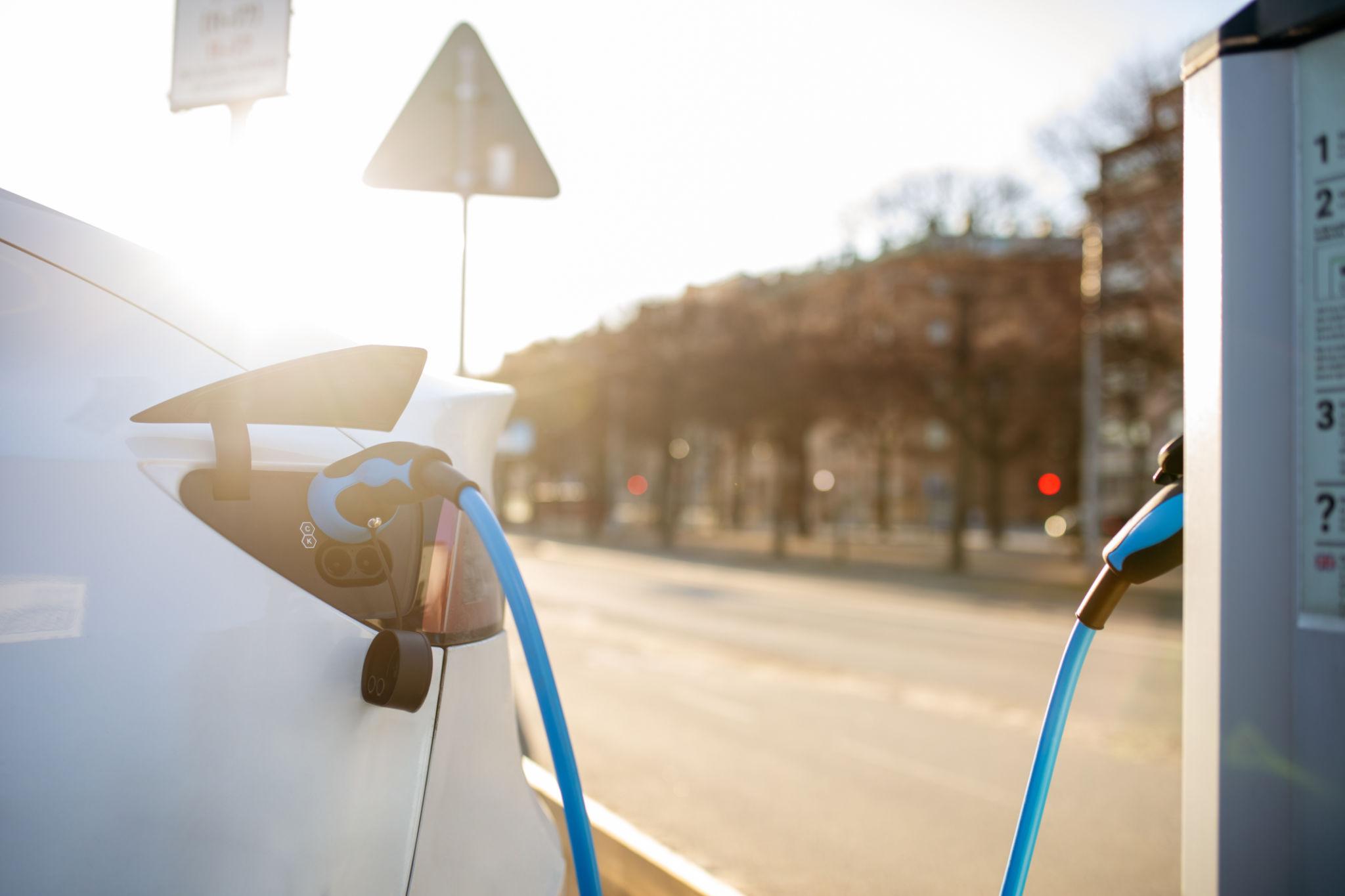
Tesla’s extensive charging network continues serving as a significant advantage in many markets. The convenience and reliability of charging options have helped strengthen confidence among consumers considering EV ownership.
The latest registration data reinforces the idea that Tesla sales growth may benefit from investments in infrastructure that make electric vehicles more practical for daily use.
Industry analysts expect charging accessibility to remain a major focus area for automakers and policymakers alike.
Consumer Preferences Continue Evolving
Modern vehicle buyers increasingly prioritize technology, connectivity, sustainability, and operating efficiency.
These changing preferences have helped support Tesla sales growth as consumers seek alternatives to traditional internal combustion vehicles. Features such as over-the-air software updates, advanced driver-assistance systems, and integrated digital experiences continue attracting interest.
Younger buyers in particular appear more willing to adopt emerging transportation technologies, contributing to long-term growth opportunities within the EV sector.
The trend reflects broader shifts occurring throughout the global automotive industry.
Historical Perspective on Tesla’s European Expansion
Tesla’s presence in Europe has evolved significantly over the past decade.
The company initially focused on premium electric vehicles before expanding into broader market segments through additional model offerings. Improvements in battery performance, charging infrastructure, and manufacturing capacity helped accelerate adoption rates.
Historical trends show that Tesla sales growth has experienced periods of rapid acceleration alongside temporary slowdowns influenced by economic conditions and supply-chain challenges. However, long-term demand for electric vehicles has generally continued increasing.
The latest Swedish registration figures suggest the company remains a major force within Europe’s evolving automotive landscape.
Investors Closely Watch Registration Trends
Vehicle registration data often serves as an important indicator of consumer demand and market performance.
The recent increase has drawn attention from investors evaluating Tesla sales growth and broader electric vehicle industry trends. Strong registration figures can provide insight into customer demand, competitive positioning, and future revenue potential.
Market participants continue monitoring developments across Europe as they assess long-term opportunities within the transportation sector.
The ongoing transition toward electric mobility remains one of the most closely watched themes in global financial markets.
Future Outlook for Electric Vehicle Adoption
The broader outlook for the EV market remains positive as governments, businesses, and consumers continue supporting transportation electrification.
Many analysts believe Tesla sales growth could benefit from ongoing investments in charging infrastructure, battery innovation, and vehicle technology. At the same time, regulatory support for lower-emission transportation may continue encouraging adoption.
Future growth will likely depend on factors including consumer confidence, economic conditions, technological improvements, and competitive dynamics.
Industry experts expect electric vehicles to play an increasingly important role in global transportation systems throughout the decade.
What This Means Going Forward
The strong increase in Swedish vehicle registrations provides encouraging news for Tesla sales growth and the broader electric vehicle sector. Despite rising competition and evolving market conditions, consumer interest in electric transportation remains strong in key European markets.
The latest figures suggest that demand for advanced EV technology, reliable charging infrastructure, and sustainable mobility solutions continues supporting industry expansion. As automakers invest in innovation and governments promote cleaner transportation alternatives, the transition toward electric vehicles appears likely to continue.
For investors, manufacturers, and consumers alike, the Swedish data offers another indication that the shift toward electrification remains an important long-term trend shaping the future of transportation.