Premium electric vehicle competition is rapidly intensifying as luxury automakers expand investments in advanced EV technology and performance innovation.
Global brands are racing to secure market share as consumers increasingly shift toward high-end electric mobility solutions.
Industry analysts say the growing EV battle could redefine the future of luxury transportation in 2026 and beyond.
MILAN, ITALY – May 26, 2026 (Parliament Politics Magazine) Premium electric vehicle competition is becoming one of the most significant forces reshaping the global automotive industry as luxury car manufacturers increase investments in electrification, software integration, battery technology, and advanced performance engineering. Major brands are racing to secure leadership positions in the expanding luxury EV market amid changing consumer expectations and tightening environmental regulations worldwide.
The global shift toward electric mobility has accelerated rapidly over the past several years, with luxury manufacturers now facing pressure to balance sustainability goals with high-performance branding. Analysts say affluent buyers increasingly expect premium electric vehicles to deliver advanced technology, exclusivity, comfort, and performance simultaneously.
The growing premium electric vehicle competition is also intensifying because governments across Europe, Asia, and North America continue implementing stricter emissions standards while investing heavily in EV infrastructure.
An automotive strategist based in Italy stated:
“Luxury automakers no longer view electrification as optional. It has become central to long-term survival and global competitiveness.”
The statement reflects a broader industry transformation as traditional automotive companies attempt to redefine premium mobility in the electric era.
Premium Electric Vehicle Competition Data Snapshot 2026
| Category | Details |
|---|---|
| Industry | Luxury Automotive |
| Main Trend | Electric mobility expansion |
| Key Focus | Premium EV technology |
| Leading Regions | Europe, Asia, North America |
| Consumer Demand | Sustainable luxury transportation |
| Major Investment Area | Battery and software development |
| Market Pressure | Emissions regulations |
| Technology Focus | Performance electrification |
| Buyer Expectations | Luxury, range, connectivity |
| Industry Outlook | Rapid EV competition growth |
Luxury Manufacturers Expand Electric Strategies
Premium electric vehicle competition continues increasing as global automakers introduce new EV platforms designed specifically for high-income consumers.
Luxury vehicle brands are investing billions into electric drivetrains, next-generation batteries, digital ecosystems, and autonomous driving features. Analysts believe the premium market has become a crucial battleground because wealthier buyers often adopt emerging automotive technologies earlier than mass-market consumers.
Automotive executives say modern luxury buyers now expect seamless digital connectivity, rapid charging capabilities, advanced software features, and environmentally conscious engineering.
The premium electric vehicle competition is also driving manufacturers to develop new production strategies aimed at balancing sustainability goals with profitability and exclusivity.
A European automotive consultant commented:
“Technology innovation has become just as important as horsepower in the modern luxury vehicle market.”
The remarks highlight how consumer priorities continue evolving in the electric mobility era.
Global EV Market Faces Rising Competitive Pressure
The premium electric vehicle competition is accelerating not only among established luxury brands but also among emerging EV-focused manufacturers seeking market share in the high-end segment.
Traditional automotive companies now face competition from newer technology-driven firms that prioritize software integration and digital ecosystems alongside vehicle performance.
Industry observers note that premium EV buyers increasingly compare vehicles based on charging networks, software functionality, battery range, interior technology, and autonomous driving capabilities.
At the same time, established luxury brands continue relying on heritage, craftsmanship, and performance reputation to maintain customer loyalty.
Analysts believe the evolving market may permanently reshape how luxury vehicles are designed, marketed, and manufactured over the next decade.
Battery Technology Becomes Key Industry Battlefield
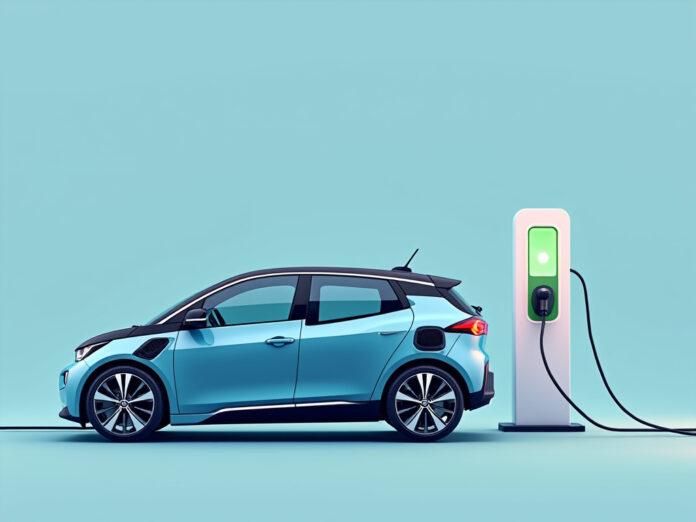
Battery innovation has become one of the most important areas influencing premium electric vehicle competition worldwide.
Automakers continue competing to improve charging speeds, driving range, thermal efficiency, battery safety, and overall vehicle performance. Companies investing heavily in battery development may gain significant long-term advantages in both consumer confidence and operational efficiency.
Many luxury manufacturers are also forming strategic partnerships with technology firms and battery suppliers to accelerate research and production capabilities.
Economic analysts say battery costs remain one of the largest financial challenges facing the EV industry, particularly for companies seeking to maintain premium design and performance standards.
Historical Evolution of Luxury Automotive Competition
Historical Cycles Table
| Period | Industry Trend | Luxury Market Focus | Long-Term Impact |
|---|---|---|---|
| 1950s–1970s | Performance vehicle expansion | Combustion engineering | Rise of global luxury brands |
| 1980s–1990s | Technology integration | Speed and exclusivity | Luxury performance innovation |
| 2000s | Digital transformation | Comfort and connectivity | Increased electronics adoption |
| 2010s | Hybrid development | Sustainability awareness | EV transition preparation |
| 2020s | Electric mobility competition | Software and battery innovation | Global premium EV expansion |
The luxury automotive market has experienced several major transformations throughout modern history. Analysts believe the current premium electric vehicle competition may become one of the industry’s most important technological transitions since the rise of digital vehicle systems in the early 2000s.
Consumer Expectations Continue Changing Rapidly
Premium electric vehicle competition is being heavily influenced by changing consumer behavior and technological expectations.
Younger luxury buyers increasingly prioritize sustainability, smart technology integration, digital convenience, and advanced safety systems. Many consumers now expect luxury EVs to function as connected technology platforms rather than simply transportation products.
Automotive researchers say buyers are also paying closer attention to charging accessibility, environmental impact, and long-term software updates before making purchasing decisions.
These trends are forcing manufacturers to rethink vehicle design, ownership experiences, and after-sales service strategies.
Government Policies Accelerate EV Industry Growth
Global regulatory changes continue shaping premium electric vehicle competition as governments implement stricter emissions standards and encourage electric mobility adoption.
Countries throughout Europe and parts of Asia are expanding incentives for EV purchases while increasing restrictions on combustion-engine vehicles. These policies are accelerating investment in electric infrastructure, charging networks, and renewable energy integration.
Industry analysts say luxury manufacturers may benefit from early adoption because premium buyers often have easier access to home charging infrastructure and higher purchasing flexibility.
At the same time, rising geopolitical tensions and supply chain concerns remain significant risks for battery production and raw material sourcing.
Investors Closely Watching Luxury EV Expansion
Financial markets remain highly focused on premium electric vehicle competition because the luxury EV segment is viewed as one of the most profitable growth opportunities in the automotive industry.
Investors continue evaluating which companies can successfully balance innovation, production scalability, and brand identity during the EV transition.
Some analysts believe companies capable of integrating software ecosystems and recurring digital services may generate stronger long-term profitability than manufacturers relying solely on vehicle sales.
However, experts also warn that rapid competition could pressure profit margins as development costs continue increasing.
Technology Innovation Reshapes Luxury Transportation
Premium electric vehicle competition is ultimately driving a broader transformation in how luxury transportation is defined globally.
Advanced software systems, AI-assisted driving features, personalized digital experiences, and over-the-air software updates are becoming central components of the modern luxury automotive experience.
Industry observers believe future luxury vehicles may increasingly function as integrated technology ecosystems combining mobility, entertainment, productivity, and sustainability.
The transition is also creating opportunities for new technology partnerships between automakers, software developers, battery manufacturers, and artificial intelligence companies.
Future Outlook for the Premium EV Market
Premium electric vehicle competition is expected to intensify further throughout the remainder of the decade as manufacturers expand EV portfolios and governments accelerate environmental regulations.
Luxury automakers continue facing pressure to innovate while preserving brand exclusivity and performance identity. Analysts believe the companies that successfully combine software innovation, battery efficiency, luxury craftsmanship, and sustainability may dominate the next era of automotive development.
As the global EV race accelerates, the luxury automotive sector is emerging as one of the most closely watched battlegrounds in the future of transportation.
Luxury EV Rivalry Enters New Era
Premium electric vehicle competition is redefining the future of the luxury automotive industry as manufacturers race to secure leadership in advanced mobility technology. The rapid shift toward electrification reflects broader changes in consumer expectations, environmental policy, and digital innovation.
As luxury brands continue investing in software ecosystems, battery development, and sustainable engineering, the competition is expected to intensify globally. Industry analysts believe the companies capable of balancing exclusivity, performance, and next-generation technology may shape the future direction of premium transportation for years to come.