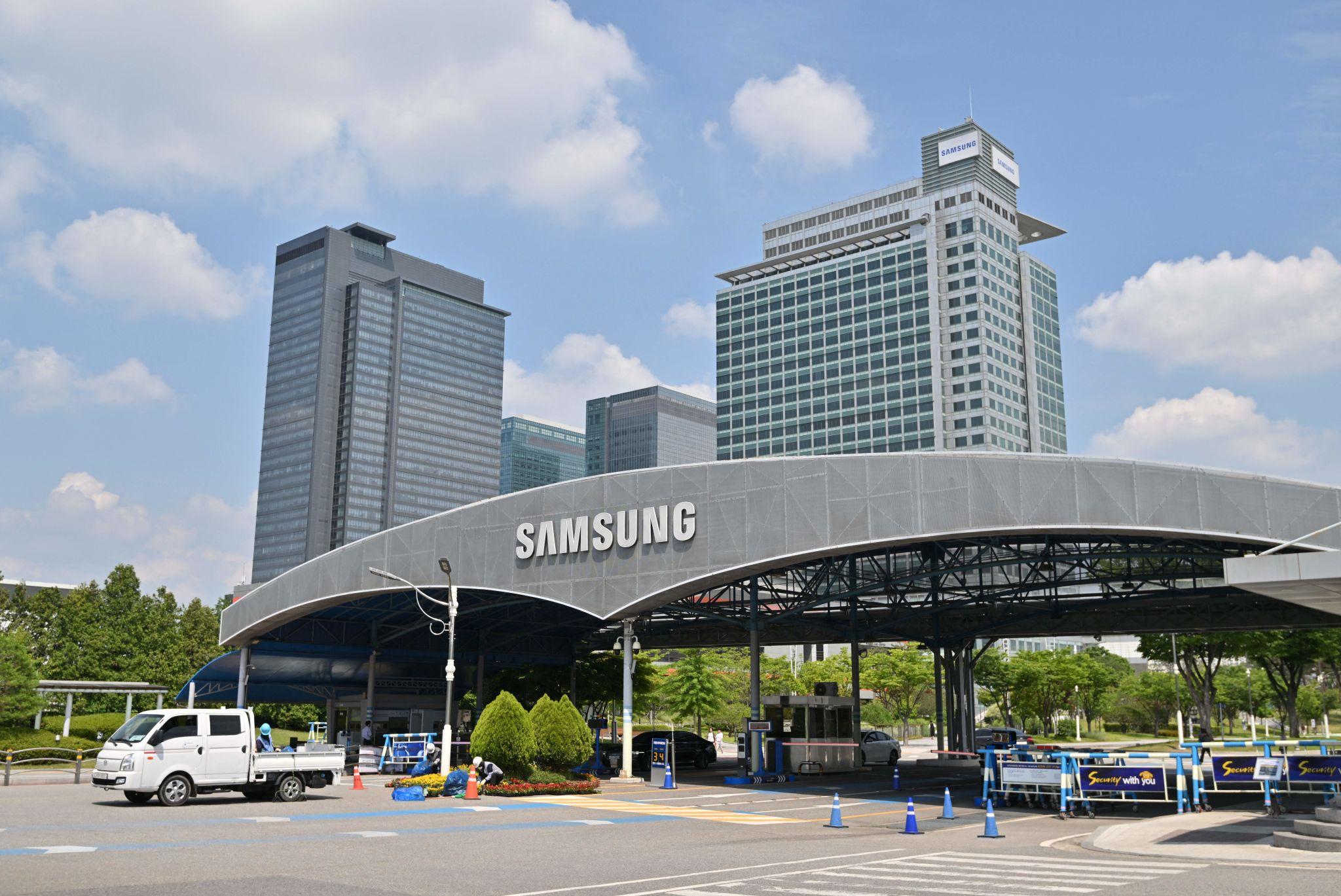
Samsung wage negotiations entered a new phase after union officials sought court intervention over a disputed pay agreement vote in South Korea.
The legal challenge highlights growing tensions between employees and management inside one of the world’s largest electronics companies.
Analysts say the dispute could influence future labor negotiations across Asia’s technology industry.
SEOUL, SOUTH KOREA May 26, 2026 (Parliament Politics Magazine) Samsung wage negotiations became the center of national attention after union representatives filed a legal request seeking to block an upcoming employee vote connected to a controversial compensation agreement. The dispute has raised concerns about transparency, worker representation, and labor rights inside one of the world’s largest electronics manufacturers.
Union officials argue employees were not given enough detailed information regarding salary structures, bonus adjustments, overtime provisions, and long-term compensation terms before the scheduled vote. Company representatives reportedly maintain that negotiations followed internal procedures and established labor frameworks.
The growing disagreement surrounding Samsung wage negotiations arrives during a period of economic uncertainty and rising living costs across South Korea, where workers in multiple industries have demanded stronger compensation protections and more transparent labor discussions.
A labor analyst based in Seoul stated:
“This dispute reflects a broader shift in employee expectations as workers demand greater transparency and accountability during compensation negotiations.”
The statement mirrors growing public debate over how major corporations manage labor relations in increasingly competitive economic conditions.
Samsung Labor Negotiation Data Snapshot 2026
| Category | Details |
|---|---|
| Company | Samsung Electronics |
| Industry | Consumer Electronics & Technology |
| Main Issue | Employee pay agreement dispute |
| Union Action | Court filing to block employee vote |
| Country | South Korea |
| Key Concern | Transparency in compensation negotiations |
| Economic Impact | Potential workforce instability |
| Market Focus | Labor rights and corporate governance |
| Global Relevance | Technology manufacturing sector |
| Investor Concern | Production continuity and employee relations |
Legal Dispute Places Corporate Governance Under Spotlight
Samsung wage negotiations have become a major topic within South Korea’s corporate sector because of Samsung’s influence on the national economy and international technology markets.
Legal experts say courts may examine whether workers received sufficient access to negotiation details before the planned voting process. The case could establish new standards regarding how employee compensation agreements are reviewed in future labor disputes involving major corporations.
Some labor advocates claim employees deserve more time to review financial details before voting on agreements that directly affect long-term earnings and workplace conditions.
Meanwhile, business analysts warn that prolonged legal battles could create uncertainty within manufacturing operations and affect investor confidence during an already challenging global economic environment.
South Korea’s Labor Environment Continues Evolving
The latest Samsung wage negotiations dispute reflects broader changes occurring within South Korea’s labor environment. Over the past several years, organized labor groups across manufacturing, transportation, retail, and technology industries have demanded stronger representation and improved wage protections.
Inflation pressures, housing costs, and economic instability have increased pressure on workers, especially in major urban regions such as Seoul and Busan. Employees across multiple sectors continue seeking compensation adjustments that better align with rising living expenses.
Samsung’s dispute has attracted significant media attention because the company remains one of the most recognizable global technology brands and one of South Korea’s largest employers.
A university labor relations professor commented:
“Large corporations now face greater pressure to maintain worker trust while balancing global competitiveness and operational costs.”
The remarks highlight the difficult balance companies must manage between profitability and workforce satisfaction.
Investor Attention Grows Around Samsung Labor Developments
Global investors are closely monitoring Samsung wage negotiations because labor instability inside large technology firms can influence production timelines, supply chain stability, and financial forecasts.
Samsung’s consumer electronics division manufactures products ranging from televisions and appliances to smart home technologies distributed worldwide. Any prolonged disruption involving employee relations could potentially affect operational efficiency.
Financial analysts say investors are particularly focused on whether the dispute may delay strategic projects or influence broader workforce morale across Samsung’s manufacturing ecosystem.
At the same time, labor advocates argue stronger worker protections can improve long-term productivity and organizational stability if negotiations remain transparent and collaborative.
Employee Representation Becomes a Central Issue
The court challenge connected to Samsung wage negotiations also highlights changing attitudes toward employee representation inside South Korea’s technology industry.
Historically, labor organization within some major Korean corporations faced structural limitations. However, labor unions have gradually gained greater influence as workplace expectations evolved and employees demanded stronger participation in compensation decisions.
Union representatives reportedly believe the current voting structure does not provide sufficient clarity regarding future earnings and bonus calculations tied to the proposed agreement.
Corporate governance experts note that public trust increasingly depends on communication transparency during labor negotiations.
A labor rights advocate stated:
“Employees want clear information before approving agreements that directly affect their financial future.”
The statement reflects broader concerns about accountability during high-profile corporate negotiations.
Historical Cycles of Labor Negotiations in South Korea
Historical Cycles Table
| Period | Major Labor Trend | Economic Context | Impact on Industry |
|---|---|---|---|
| 1980s | Expansion of labor activism | Industrial growth era | Increased worker rights awareness |
| 1990s | Wage reform movements | Rapid globalization | Stronger union participation |
| 2000s | Technology workforce growth | Global manufacturing expansion | More organized labor negotiations |
| 2010s | Corporate governance focus | Rising living costs | Increased public labor scrutiny |
| 2020s | Transparency-driven disputes | Inflation and economic uncertainty | Greater legal oversight in negotiations |
South Korea’s labor history has frequently influenced national economic policy and corporate governance reforms. Experts say the current Samsung dispute fits within a longer pattern of workers demanding greater transparency and stronger participation during periods of economic pressure.
Technology Industry Watching Court Decision Closely
Technology companies throughout Asia are monitoring Samsung wage negotiations because the outcome may influence future labor-management discussions across the region.
Many corporations continue balancing rising operational expenses, automation investments, supply chain volatility, and workforce expectations. Labor disputes involving globally recognized firms often shape broader conversations surrounding corporate governance standards and employee rights.
Industry observers believe the legal challenge may encourage additional unions to seek stronger procedural protections during compensation negotiations.
At the same time, business organizations warn that increasing legal intervention could complicate future agreement processes between employers and organized labor groups.
Potential Economic Impact Remains Uncertain
Although it remains unclear how the court will respond, analysts say Samsung wage negotiations could influence multiple sectors beyond consumer electronics.
South Korea’s economy remains heavily connected to technology manufacturing and exports. Labor disruptions involving major companies can affect supply chains, investor sentiment, and broader economic forecasts.
Economic experts believe both management and union representatives may ultimately seek compromise solutions to avoid deeper instability or reputational damage.
Some analysts expect additional negotiation rounds may occur if courts request greater transparency or procedural adjustments before voting proceeds.
Future Outlook for Samsung Labor Relations
Samsung wage negotiations may become one of the most closely watched labor disputes in South Korea during 2026. The legal filing underscores growing worker demands for transparency, accountability, and stronger representation during compensation discussions.
The outcome could influence how corporations throughout Asia structure future employee negotiations and voting procedures.
As courts review the dispute, investors, employees, policymakers, and labor organizations continue watching developments closely because the case may shape future labor relations inside the global technology industry.