


TAIPEI, Taiwan (Parliament Politics Magazine) AI computing capacity remains at the center of global technology discussions as Nvidia Chief Executive Officer Jensen Huang recently emphasized that demand for artificial intelligence infrastructure continues exceeding available supply. The rapid growth of AI applications across industries is creating unprecedented requirements for advanced processors, high-performance data centers, and scalable computing resources.
As artificial intelligence becomes increasingly integrated into business operations, cloud services, healthcare systems, financial markets, and manufacturing environments, the need for greater AI computing capacity continues expanding. Industry leaders are responding with significant investments aimed at strengthening infrastructure and supporting future growth.
“Artificial intelligence is advancing faster than the infrastructure needed to support it.”
Global Demand Continues to Accelerate
Technology companies worldwide are investing billions of dollars to increase AI computing capacity as organizations deploy increasingly sophisticated AI systems. Demand is being fueled by machine learning platforms, generative AI models, predictive analytics tools, and enterprise automation solutions.
Businesses are integrating artificial intelligence into daily operations at a pace that few analysts anticipated just a few years ago. This rapid adoption has created enormous pressure on hardware suppliers and cloud infrastructure providers.
Industry experts believe demand for AI computing capacity will remain elevated throughout the remainder of 2026 as AI adoption expands across virtually every major economic sector.
Data Centers Expand to Meet Infrastructure Needs
The expansion of data center infrastructure has become a key component of efforts to increase AI computing capacity. Cloud providers, technology companies, and enterprise organizations are constructing new facilities designed specifically to support artificial intelligence workloads.
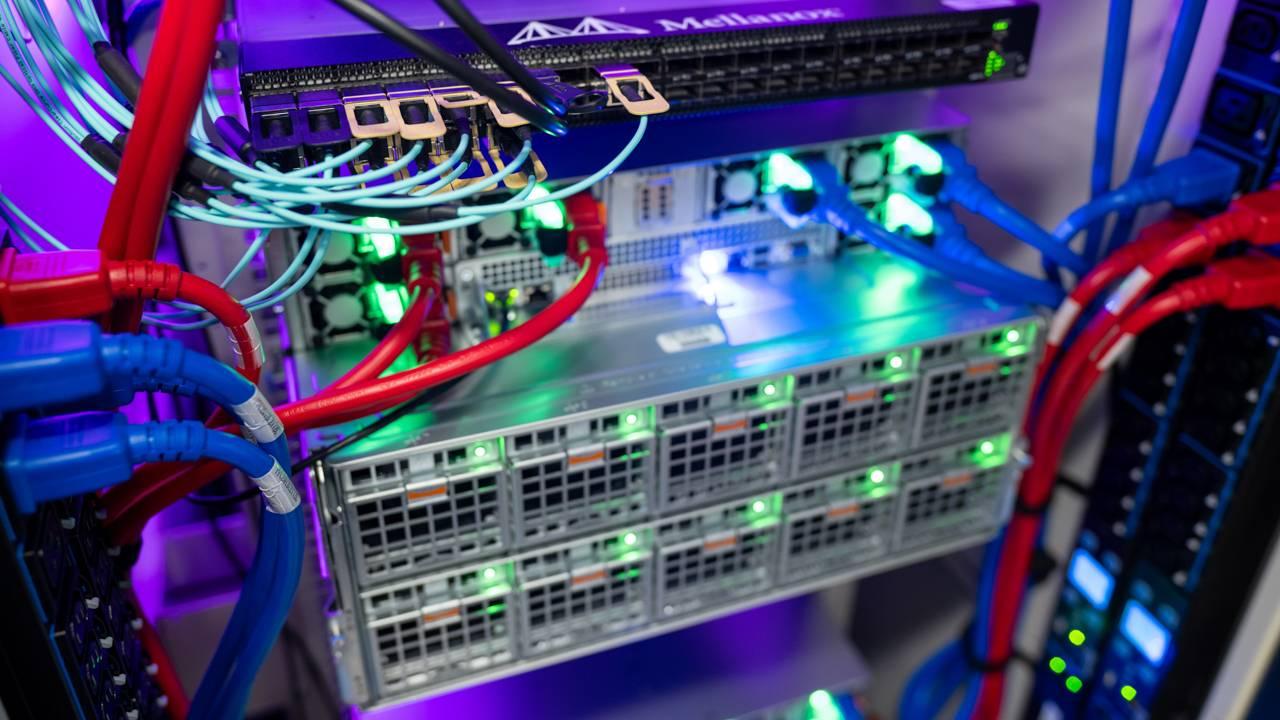
Modern AI systems require enormous processing power, high-speed networking, and advanced cooling systems. As organizations seek additional computing resources, data center investments continue accelerating worldwide.
Industry observers note that infrastructure expansion remains essential to maintaining progress in artificial intelligence development and deployment.
“The future of artificial intelligence depends on the ability to build and scale advanced computing infrastructure.”
Nvidia Remains Central to AI Development
Nvidia has emerged as one of the most influential companies supporting AI computing capacity because its processors power many of the world’s leading artificial intelligence platforms.
The company’s graphics processing units, commonly known as GPUs, have become critical components for training and running advanced AI models. Despite ongoing production increases, demand continues exceeding available supply in several areas of the market.
Technology leaders continue monitoring Nvidia’s capacity expansion efforts because processor availability plays a significant role in determining the pace of AI adoption.
Taiwan’s Role in Global Semiconductor Production
Taiwan remains a critical hub for expanding AI computing capacity due to its leadership position in semiconductor manufacturing. The region’s advanced fabrication facilities support production for many of the world’s most important technology companies.
Industry analysts emphasize that Taiwan’s manufacturing ecosystem is essential for addressing growing infrastructure requirements. Advanced semiconductor production processes require years of investment and specialized expertise, making capacity expansion a complex undertaking.
As artificial intelligence demand grows, Taiwan’s importance within the global technology supply chain continues increasing.
Enterprise Adoption Drives New Requirements
The growth of enterprise artificial intelligence is creating significant demand for additional AI computing capacity. Organizations across healthcare, finance, manufacturing, logistics, and retail sectors are deploying AI systems designed to improve productivity and operational efficiency.
These applications often require substantial computing resources capable of processing large datasets and executing complex algorithms. As more businesses integrate AI into operations, infrastructure requirements continue rising.
Industry experts expect enterprise adoption to remain one of the strongest drivers of future computing demand.
Historical Development of AI Infrastructure
The evolution of AI computing capacity reflects broader advances in technology over several decades. Early artificial intelligence systems operated with limited computational resources and relatively simple algorithms.
As computing power increased and semiconductor technology advanced, researchers gained the ability to develop more sophisticated AI models. The emergence of cloud computing further accelerated progress by providing scalable infrastructure accessible to organizations worldwide.
Today’s AI systems require significantly greater resources than previous generations, creating a new era of investment focused on expanding computing capabilities and infrastructure resilience.
Semiconductor Investment Reaches New Levels
Efforts to strengthen AI computing capacity are driving substantial investment across the semiconductor industry. Manufacturers are expanding facilities, upgrading production technologies, and increasing research spending to meet growing demand.
Governments and private-sector organizations are also supporting initiatives designed to improve supply chain resilience and reduce infrastructure bottlenecks. These investments reflect the strategic importance of semiconductor production within the modern economy.
Analysts believe current investment levels demonstrate the industry’s confidence in the long-term growth potential of artificial intelligence technologies.
Competition Shapes Infrastructure Expansion
Competition among technology companies is accelerating efforts to improve AI computing capacity. Major cloud providers, semiconductor manufacturers, and AI developers are racing to secure resources necessary for future growth.
The competitive landscape is encouraging innovation while driving investments in advanced hardware, networking technologies, and energy-efficient computing systems. Companies that successfully expand capacity may gain important advantages within rapidly evolving markets.
Industry observers expect competition to remain intense as demand for AI infrastructure continues increasing.

Outlook for Artificial Intelligence Growth
Analysts remain optimistic regarding the future of AI computing capacity despite current supply challenges. Continued investment in semiconductor manufacturing, data centers, and cloud infrastructure is expected to improve resource availability over time.
However, demand growth remains exceptionally strong. As artificial intelligence applications become more capable and widely adopted, organizations will likely require even greater levels of computing power.
The ability to expand AI computing capacity efficiently may become one of the most important factors influencing technological progress during the coming decade.