ZURICH, Switzerland (Parliament Politics Magazine) Chocolate manufacturing growth continues to attract attention throughout the global food industry as major producers invest in modernization, efficiency improvements, and sustainability initiatives. The sector is navigating a period of significant change driven by evolving consumer preferences, supply chain challenges, and fluctuating cocoa prices. Despite these obstacles, manufacturers remain optimistic about long-term opportunities and are positioning themselves for future expansion.
Industry analysts report that demand for premium chocolate products remains resilient across many markets. Consumers are increasingly seeking higher-quality ingredients, ethical sourcing practices, and innovative flavor profiles. As a result, companies are directing resources toward advanced production systems and new product development strategies.
“The companies investing in innovation today are preparing for the next decade of industry growth.”
Global Producers Focus on Operational Expansion
Many of the world’s largest chocolate companies are increasing investments in production capacity to meet future demand. New technologies are helping manufacturers improve efficiency while maintaining strict quality standards.
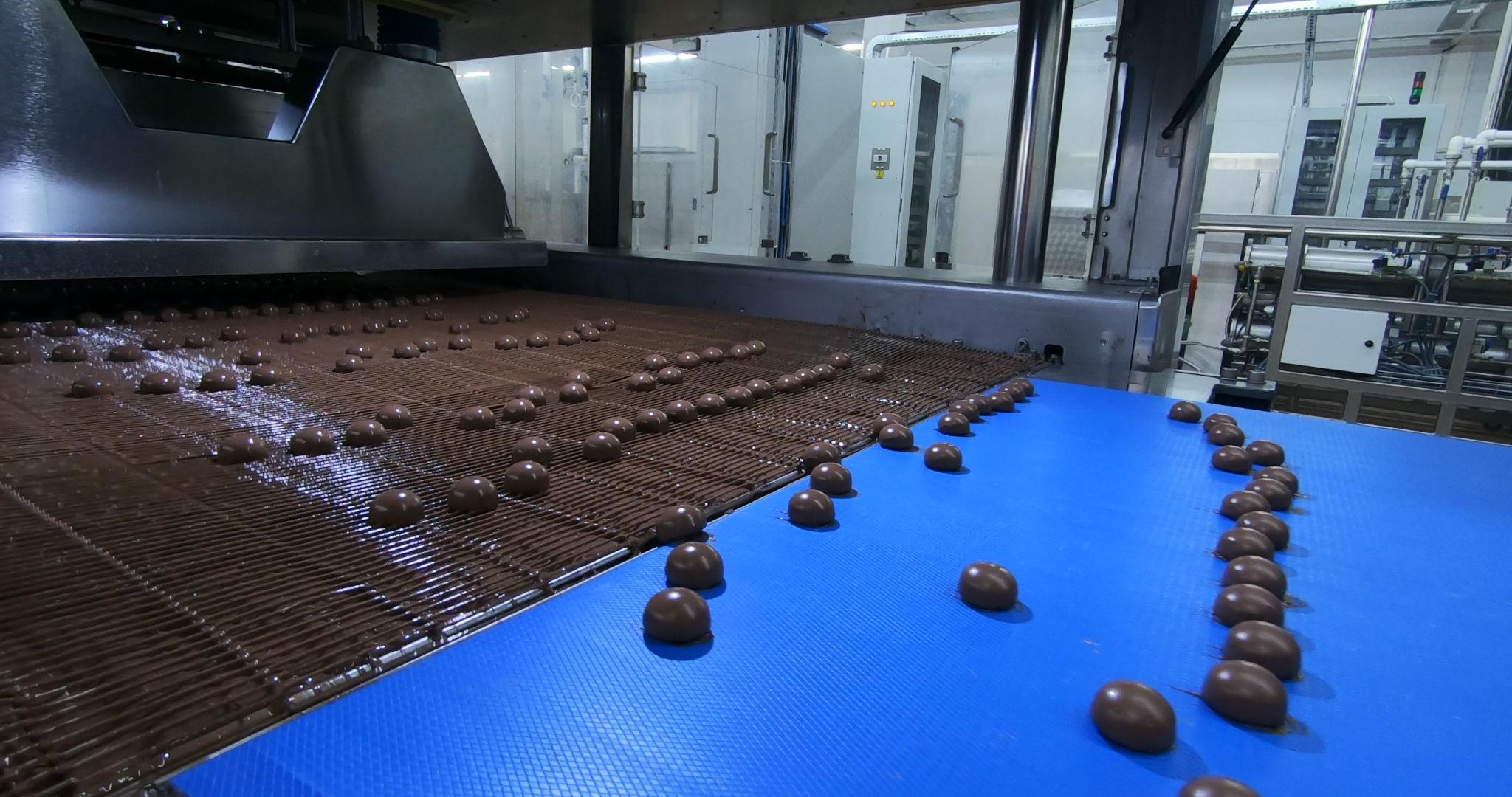
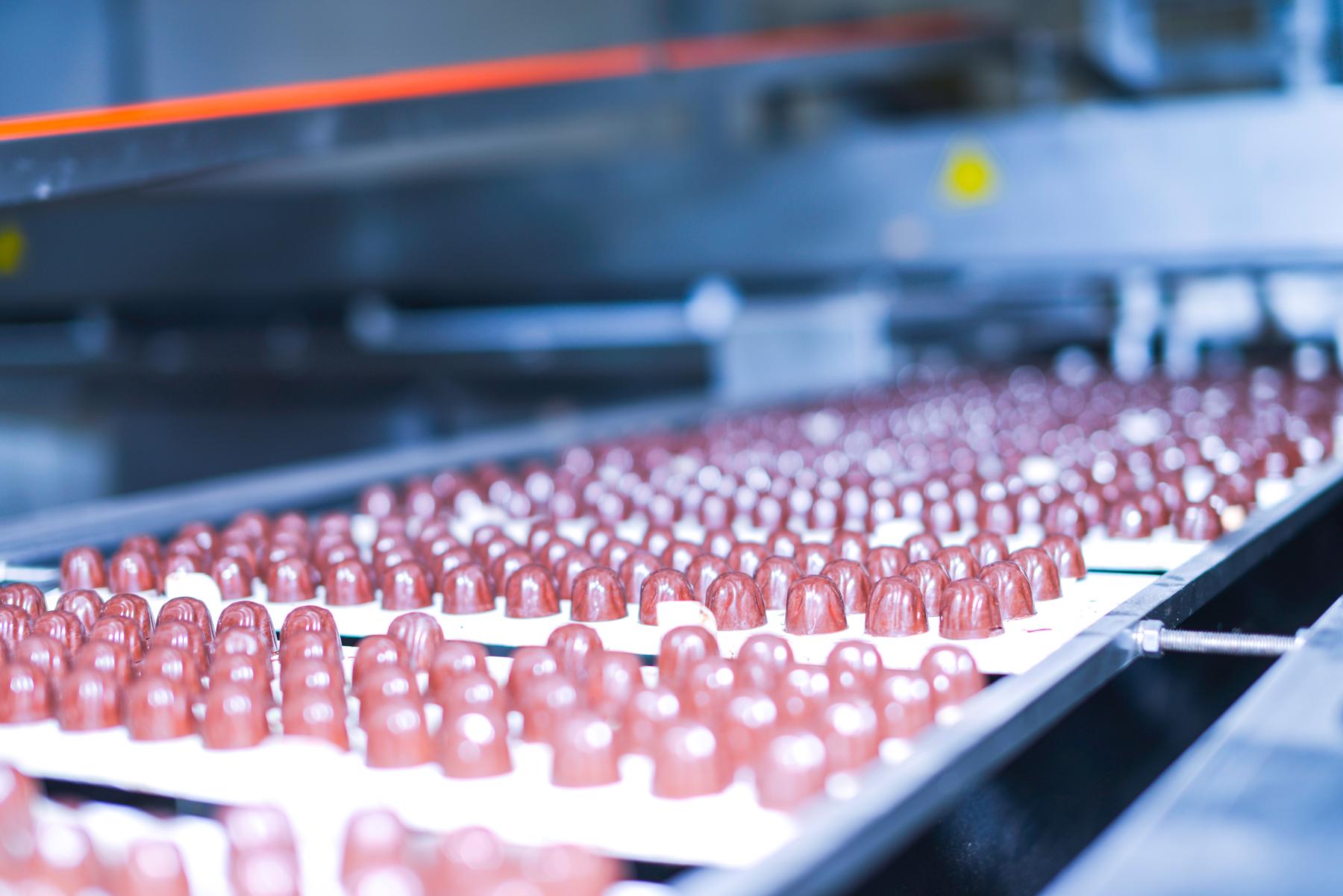
Automation has become a major priority throughout the sector. Modern production lines can reduce waste, improve consistency, and enhance productivity. These advancements are becoming increasingly important as businesses seek ways to offset rising costs associated with labor, transportation, and raw materials.
As competition intensifies, Chocolate manufacturing growth is becoming closely tied to operational excellence. Companies that successfully integrate technology into their manufacturing processes may gain significant advantages in both cost management and product quality.
Cocoa Supply Challenges Continue Influencing Markets
One of the most important factors affecting Chocolate manufacturing growth remains the global cocoa supply situation. Weather-related disruptions, crop disease concerns, and logistical challenges have contributed to market volatility in recent years.
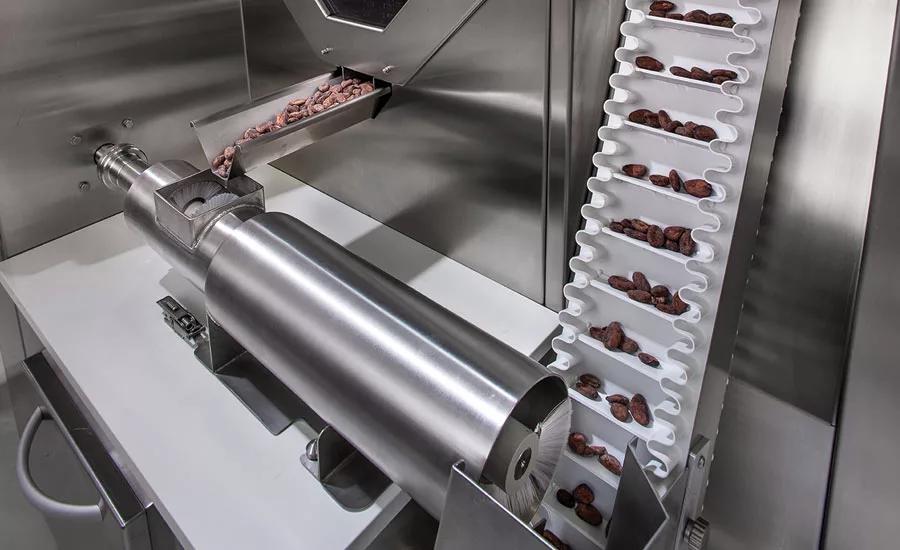
Manufacturers are responding by strengthening relationships with suppliers and supporting sustainability initiatives designed to improve long-term cocoa production. Many companies are working directly with farming communities to encourage responsible agricultural practices and increase supply chain transparency.
Although short-term challenges remain, industry leaders believe these investments can create a more stable foundation for future growth.
Innovation Drives Industry Transformation
Innovation continues to play a critical role in Chocolate manufacturing growth as consumer preferences evolve.
Manufacturers are introducing new products that address changing dietary trends and consumer expectations. Reduced-sugar formulations, premium offerings, and specialty products are becoming increasingly common across global markets.
Digital technologies are also helping companies better understand purchasing behavior. Advanced analytics allow producers to identify emerging trends and respond more quickly to shifts in consumer demand.
These capabilities are helping businesses remain competitive while creating opportunities for product differentiation.
“Innovation is no longer an option in the chocolate industry; it is a requirement for long-term success.”
Sustainability Becomes a Business Priority
Environmental and social responsibility have become central components of modern manufacturing strategies. Companies recognize that sustainability is increasingly important to consumers, investors, and regulators.
As a result, Chocolate manufacturing growth is often linked to initiatives focused on reducing environmental impact and improving supply chain accountability. Investments in renewable energy, sustainable cocoa sourcing, and emissions reduction programs are becoming more common throughout the sector.
Many industry observers believe sustainability efforts will influence purchasing decisions and brand loyalty for years to come. Companies that demonstrate meaningful progress in these areas may strengthen their market positions while supporting broader environmental goals.
Historical Development of the Chocolate Industry
The history of Chocolate manufacturing growth reflects decades of technological advancement and global expansion.
Chocolate production evolved dramatically during the industrial era when mechanized equipment allowed manufacturers to produce larger quantities at lower costs. Throughout the twentieth century, international trade expanded access to cocoa supplies and opened new consumer markets around the world.
In recent decades, the industry has shifted toward premium products, innovation, and sustainability. Today’s manufacturers face a new set of challenges and opportunities shaped by technology, climate concerns, and changing consumer expectations.
This evolution demonstrates how the sector has consistently adapted to changing market conditions while maintaining strong global demand.
Outlook for the Global Chocolate Sector
Analysts remain cautiously optimistic about the future of Chocolate manufacturing growth despite ongoing uncertainty in commodity markets.
Population growth, rising incomes in developing economies, and continued demand for premium products are expected to support industry expansion. At the same time, businesses must remain flexible as they navigate economic fluctuations and supply chain risks.
Industry leaders believe investments in technology, sustainability, and operational efficiency will help position manufacturers for long-term success. The companies that adapt most effectively to changing market conditions may be best positioned to capture future opportunities.
“The future of chocolate manufacturing belongs to companies that combine efficiency, sustainability, and innovation.”