BRUSSELS, Belgium (Parliament Politics Magazine) European manufacturing costs continue to move higher across the euro area as businesses face increasing pressure from energy prices, transportation expenses, labor costs, and ongoing geopolitical uncertainty. The latest concerns stem from instability in global markets following tensions involving Iran, creating additional challenges for manufacturers already navigating a difficult economic environment.
Companies across Europe report that operating expenses remain elevated despite signs that inflation has moderated from previous peaks. Many businesses expected a stronger recovery in demand during 2026, but consumer spending remains cautious in several major economies, limiting the ability of firms to pass rising costs directly to customers.
“Manufacturers are operating in one of the most complex cost environments seen in years.”
The impact of rising European manufacturing costs is being felt throughout industrial sectors including automotive production, chemicals, machinery, consumer goods, and food processing. Executives say the challenge is no longer simply controlling expenses but maintaining competitiveness while protecting profitability.
Energy Markets Continue to Influence Production Decisions
Energy remains one of the most significant drivers of European manufacturing costs. Although prices remain below the extreme levels experienced during previous energy crises, volatility continues to create uncertainty for businesses.
Industrial facilities rely heavily on electricity and natural gas to maintain production operations. Even modest increases in energy costs can have a substantial effect on manufacturing margins, particularly in energy-intensive industries.
Many companies are responding by investing in efficiency improvements, renewable energy projects, and advanced production systems designed to reduce consumption. These investments require substantial capital but may provide long-term protection against future market disruptions.
Supply Chain Pressures Have Not Fully Disappeared
Another factor contributing to European manufacturing costs is the ongoing challenge of maintaining reliable supply chains. Shipping costs remain higher than historical averages, while geopolitical tensions continue affecting transportation routes and delivery schedules.
Manufacturers increasingly seek alternative suppliers and regional sourcing strategies to reduce risks. While these adjustments improve resilience, they often increase operational expenses.
Industry experts note that many businesses are prioritizing stability over the lowest possible costs. The result is a manufacturing environment where efficiency and reliability have become just as important as price competitiveness.
“Supply chain resilience now represents a strategic investment rather than an optional expense.”
Weak Demand Limits Pricing Power
A major concern for manufacturers is that higher European manufacturing costs are not necessarily translating into higher selling prices.
Consumers across many European markets remain cautious about spending, forcing businesses to absorb a portion of increased expenses rather than pass them entirely to customers. This trend has placed pressure on profit margins throughout the industrial sector.
Several manufacturers report that competitive conditions make significant price increases difficult. Companies fear losing market share if they move too aggressively, particularly as economic growth remains uneven across the region.
This balancing act has become one of the defining challenges facing European industry in 2026.
Technology Investments Offer a Competitive Advantage
Many firms believe technology will play a critical role in addressing European manufacturing costs over the coming years.
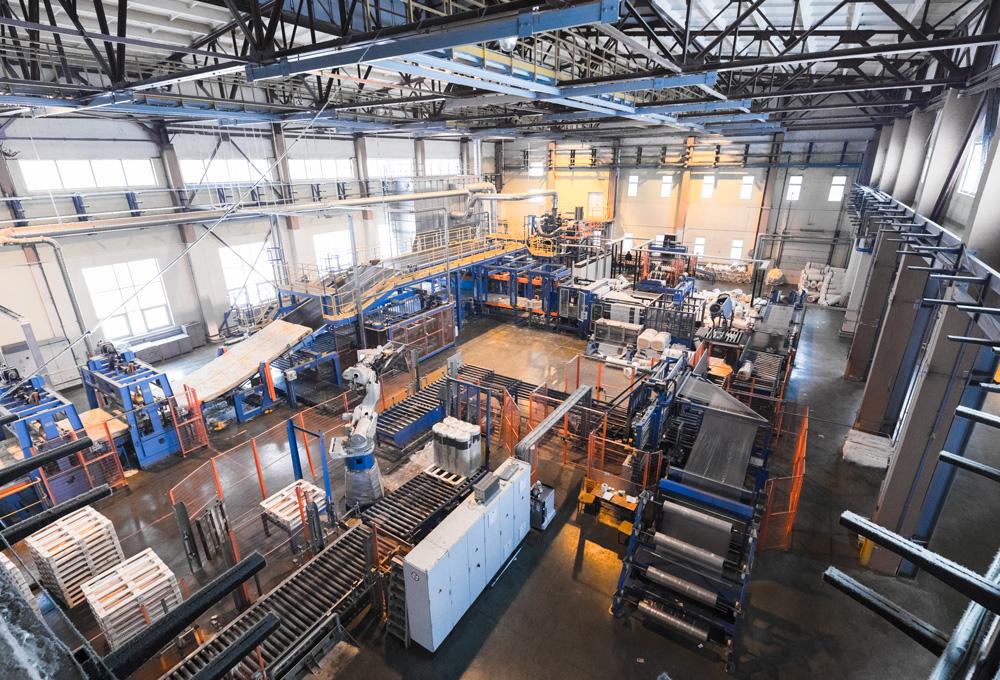
Automation systems, artificial intelligence, predictive maintenance tools, and advanced analytics are helping companies improve productivity while reducing waste. These technologies allow manufacturers to increase output without proportionally increasing expenses.
Digital transformation initiatives continue accelerating across Europe as businesses seek ways to remain competitive despite cost pressures.
Executives argue that technology investments may provide one of the most effective long-term solutions for managing rising operating expenses.
Historical Perspective on Cost Pressures
The rise in European manufacturing costs reflects a pattern seen throughout industrial history.
European manufacturers have previously faced similar challenges during periods of energy market disruption, inflationary pressure, and geopolitical instability. The oil shocks of the 1970s, the global financial crisis, and the post-pandemic recovery all created significant cost pressures for industry.
What makes the current environment unique is the combination of multiple challenges occurring simultaneously. Energy uncertainty, supply chain adjustments, labor market pressures, and regulatory requirements are all influencing business decisions.
Many economists believe manufacturers that successfully adapt during these periods often emerge stronger once economic conditions stabilize.
Outlook for the Manufacturing Sector
The future direction of European manufacturing costs will depend largely on developments in energy markets, geopolitical events, and consumer demand.
Analysts remain cautiously optimistic that technological innovation and efficiency improvements can help offset some of the pressures facing manufacturers. However, businesses continue preparing for a period of elevated uncertainty.
As European manufacturing costs remain a central concern throughout 2026, industry leaders are focusing on resilience, productivity, and long-term investment strategies designed to strengthen competitiveness.
“The companies that invest during periods of uncertainty are often the ones that lead during the next expansion cycle.”