NEW YORK, United States (Parliament Politics Magazine) luxury market growth continues attracting attention across the global retail industry as wealth generated by artificial intelligence, technology startups, and financial investments fuels demand for premium products and exclusive experiences. Luxury brands are adapting to changing consumer preferences as a new generation of affluent buyers enters the market.
The latest trends suggest that technology-driven fortunes are becoming a significant force behind purchasing activity in high-end fashion, jewelry, luxury real estate, private travel, and premium automotive sectors. Analysts believe luxury market growth is increasingly linked to the expansion of technology wealth and evolving lifestyle preferences among younger high-net-worth individuals.
“Every new wave of wealth creation creates fresh opportunities for luxury brands to redefine their customer relationships.”
Technology Wealth Creates New Luxury Demand
Recent years have witnessed significant wealth creation through artificial intelligence companies, software development firms, venture capital investments, and digital innovation businesses. This trend has contributed directly to luxury market growth by expanding the population of consumers capable of purchasing premium products and services.
Luxury companies are closely monitoring spending patterns among technology entrepreneurs, executives, and investors. Unlike traditional affluent consumers, many younger wealthy individuals prioritize personalized experiences, exclusivity, and innovation-driven products.
Industry observers note that changing demographics are influencing how luxury brands design products and engage with customers.
Fashion Brands Expand Exclusive Offerings
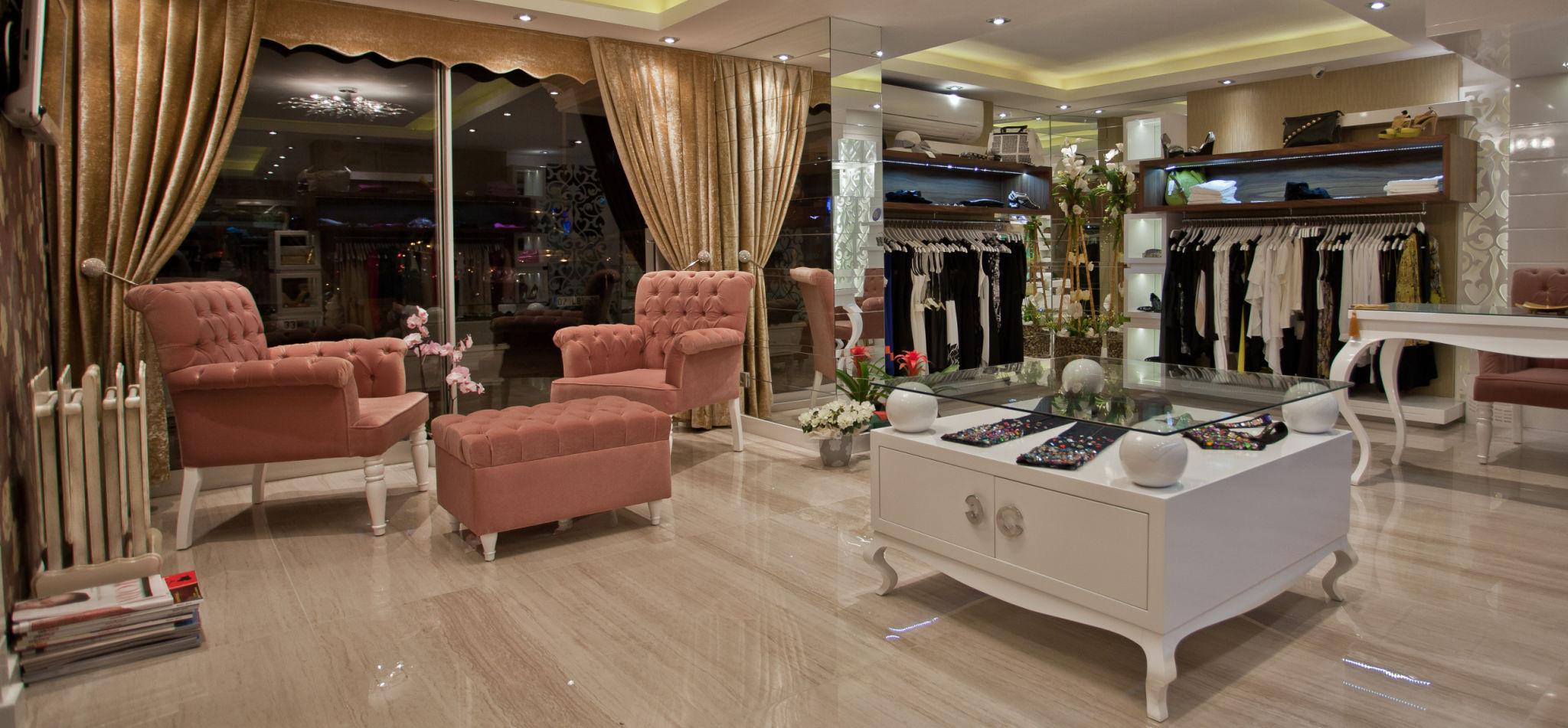
Luxury fashion houses remain among the largest beneficiaries of current spending trends. The ongoing luxury market growth cycle has encouraged brands to invest in limited-edition collections, bespoke services, and invitation-only shopping experiences.
Many companies are increasing focus on customization and personalized customer engagement. Premium consumers increasingly seek unique products that reflect individual preferences rather than mass-market luxury items.
The result is a growing emphasis on craftsmanship, exclusivity, and direct relationships between brands and affluent buyers.
“Modern luxury is increasingly defined by exclusivity and personalized experiences rather than traditional status symbols.”
High-End Watches and Jewelry Maintain Strong Demand
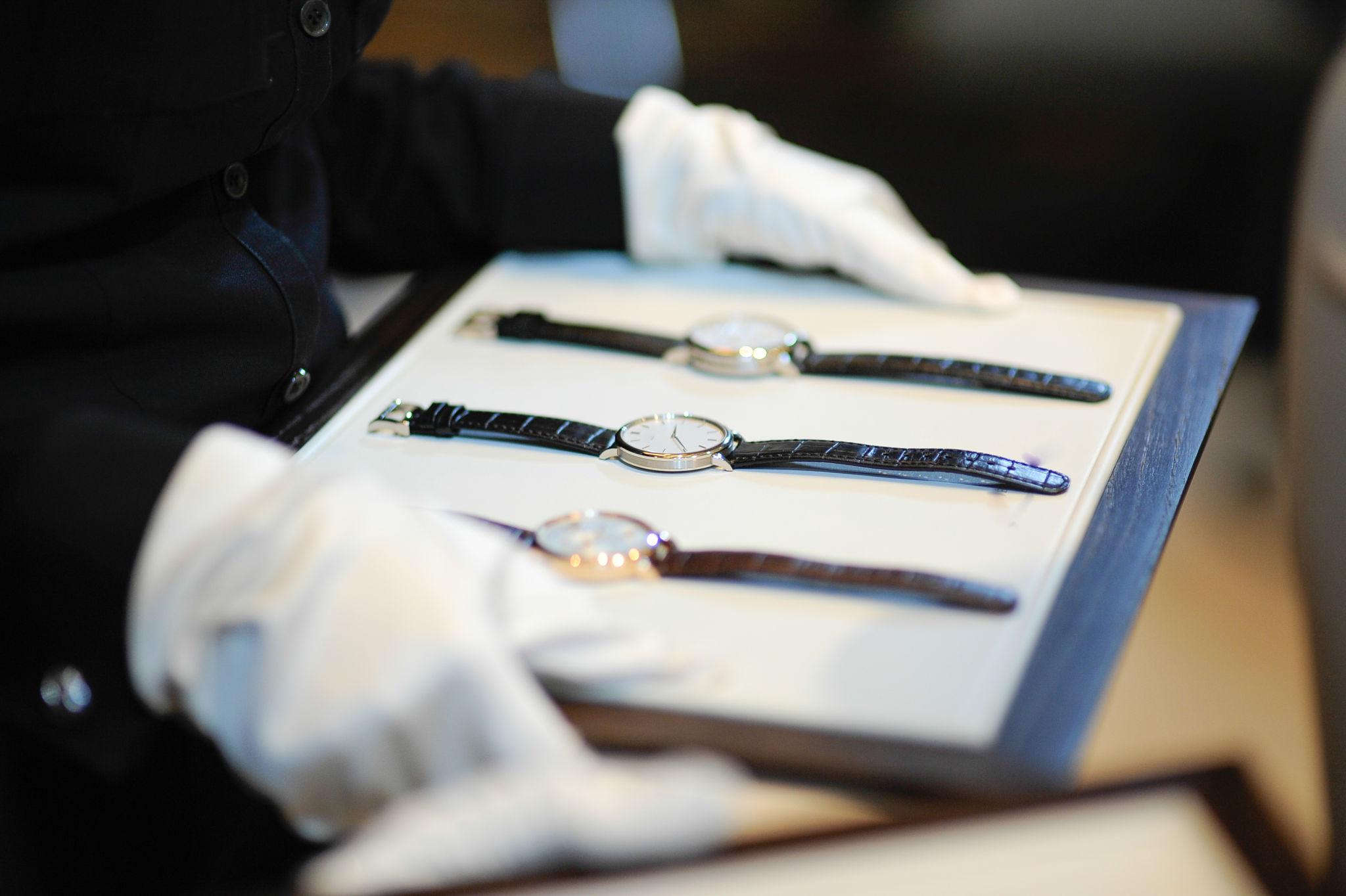
Luxury watches and jewelry continue serving as important indicators of consumer confidence among affluent buyers. The current phase of luxury market growth has supported demand for rare timepieces, high-value gemstones, and collectible jewelry pieces.
Industry analysts report that newly wealthy consumers often view luxury watches and jewelry as both lifestyle purchases and long-term assets. Demand remains particularly strong among buyers seeking products associated with heritage, craftsmanship, and scarcity.
Several premium brands have reported increased interest from technology professionals and investors entering higher income brackets.
Luxury Real Estate Benefits from Affluent Buyers
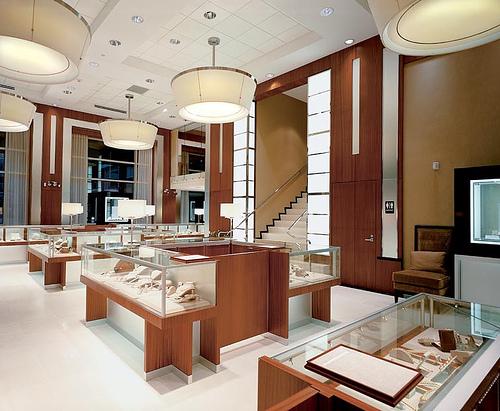
The real estate sector has also experienced positive effects from luxury market growth. High-net-worth individuals continue investing in premium residential properties located in major financial centers, technology hubs, and exclusive resort destinations.
Developers are increasingly incorporating advanced technology features, enhanced security systems, and customized amenities designed to attract affluent buyers. These investments reflect broader changes in consumer expectations within the luxury housing market.
Industry experts expect demand for premium real estate to remain stable as wealth creation continues across multiple sectors.
Private Travel Experiences Gain Popularity
The luxury travel segment remains one of the fastest-growing categories associated with luxury market growth. Private aviation, customized travel itineraries, luxury cruises, and exclusive hospitality experiences are attracting increasing attention from wealthy consumers.
Many affluent buyers now prioritize experiences over material possessions. As a result, luxury travel providers are expanding offerings designed to deliver privacy, convenience, and personalized service.
This trend is helping reshape the broader luxury industry as companies seek new ways to engage high-value customers.
Historical Evolution of Luxury Spending
The history of luxury market growth demonstrates a consistent relationship between wealth creation and premium consumer spending. During periods of economic expansion, luxury industries often benefit from increased purchasing activity among affluent households.
Previous waves of wealth generated by industrial development, financial markets, technology innovation, and globalization have repeatedly influenced luxury demand. Each era introduced new customer segments with distinct preferences and spending behaviors.
Today’s technology-driven economy is creating another significant shift as artificial intelligence and digital innovation contribute to rising personal fortunes and changing consumption patterns.
Competition Intensifies Among Premium Brands
As luxury market growth continues, competition among premium brands is becoming increasingly intense. Companies are investing heavily in customer analytics, digital engagement strategies, and exclusive product development initiatives.
Luxury firms recognize the importance of building long-term relationships with younger affluent consumers whose purchasing power may continue increasing over time. This objective is driving investments in personalized services, loyalty programs, and experiential marketing campaigns.
Industry analysts expect competition to remain strong as brands seek differentiation within a crowded marketplace.
Global Economic Trends Influence Luxury Spending
Broader economic conditions continue affecting consumer confidence and purchasing decisions. However, many experts believe luxury market growth remains supported by long-term wealth expansion and increasing demand for premium experiences.
Technology innovation, financial market performance, and global investment activity all contribute to wealth creation that ultimately influences luxury consumption patterns. These factors are expected to remain important throughout 2026.
Luxury companies continue monitoring economic developments while adapting strategies to changing market conditions.
Future Outlook for Luxury Brands
Most analysts remain optimistic regarding the outlook for luxury market growth. Continued expansion in technology wealth, premium travel demand, and high-end consumer spending is expected to support the sector throughout the coming years.
Brands that successfully adapt to evolving customer expectations may be positioned to capture a larger share of future demand. Innovation, personalization, and exclusivity are likely to remain central themes across the industry.
As global wealth creation continues, luxury market growth may remain one of the most closely watched trends within the consumer economy.