

LONDON, 3 June (Parliament Politics Magazine) – New data reveals UK car sales grow 6% as overall registrations hit 152,331 units. Driven by strict zero-emission rules, battery electric vehicles captured a 27% market share last month. Corporate fleet purchases completely anchor this industrial expansion, offset by sluggish private retail consumer demand.
Electric vehicle adoption shapes market dynamics
The detailed breakdown of individual powertrain segments reveals a stark division between traditional and electric models. Fully electric registrations surged by 31% year-on-year, establishing them as the fastest-growing segment nationwide. Conversely, petrol registrations fell by 14%, while diesel registrations declined by 6%. Hybrid growth remained flat, but fully electric models now represent roughly 5.8% of all vehicles on domestic roads. As manufacturers adjust to this reality, UK car sales grow 6% with plug-in options leading the entire industry forward.
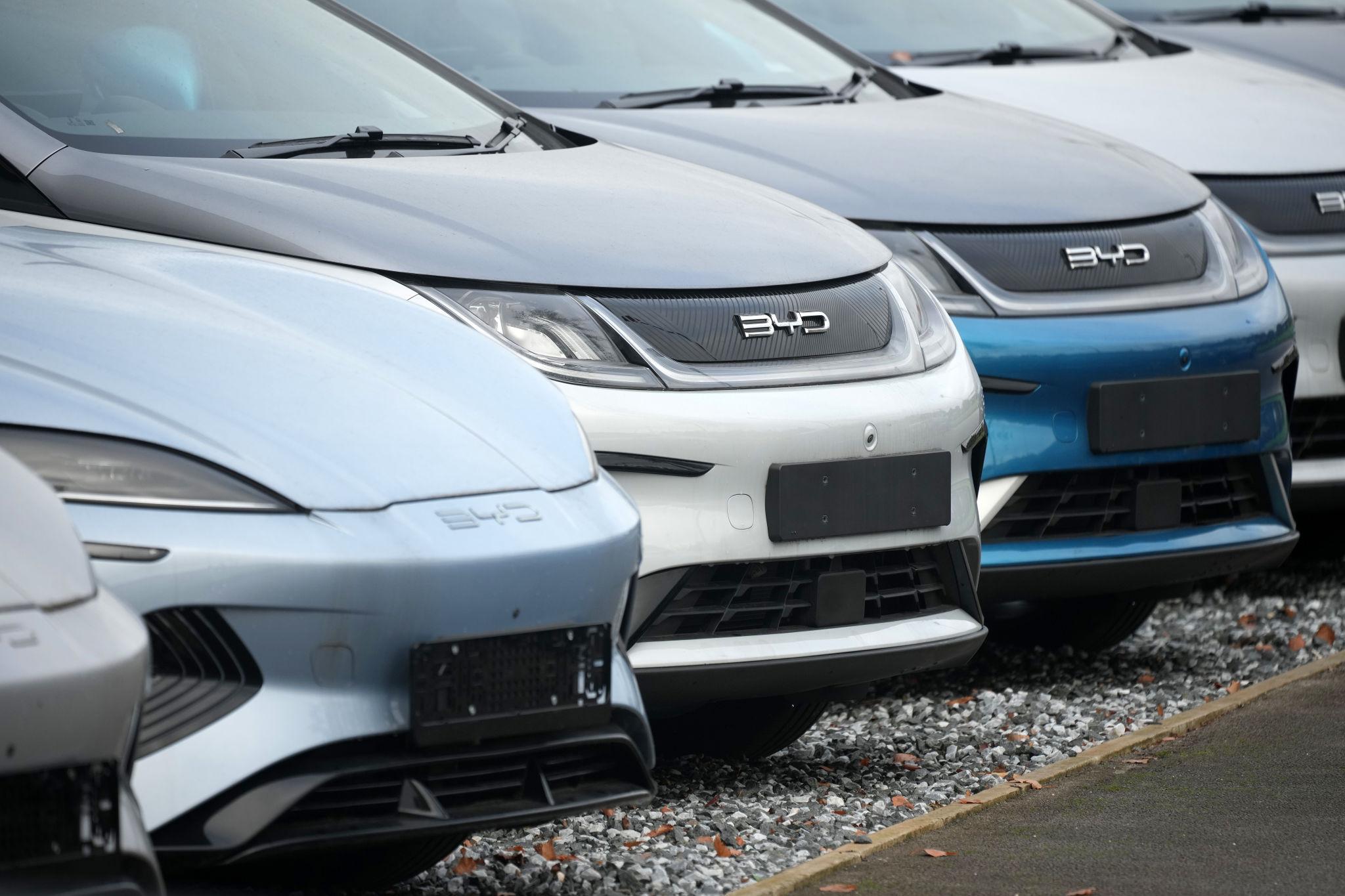
The transition toward electrification is also altering individual manufacturer performance across the regional landscape. Tesla recorded an 18% year-on-year increase in registrations, delivering 2,812 units last month. However, wider market analysis reveals distinct shifts in brand dominance as older models face heavy competition from European and Asian rivals. For instance, Chinese giant BYD is capturing significant market share through rapid dealership expansion. Meanwhile, legacy manufacturers are relying heavily on corporate fleet volumes to meet targets, ensuring that UK car sales grow 6% overall.

Regulatory mandates drive manufacturing strategies
Beyond consumer preferences, the growth in electric models is heavily reinforced by the government’s Zero Emission Vehicle Mandate. Under this strict regulatory framework, manufacturers must ensure that zero-emission models make up at least 22% of their total vehicle sales. Missing this specified legal threshold triggers heavy financial penalties of £15,000 per non-compliant vehicle. To avoid these fine structures, various brands are employing aggressive discounting and low-rate finance offers. This corporate maneuvering ensures UK car sales grow 6% through structural volume optimization.
“The latest figures should finally put to bed the old chestnut that drivers don’t want electric cars,” said Ginny Buckley, CEO of Electrifying.com, noting that these vehicles are cheaper to run and less exposed to the volatility of oil prices.
The recent statistics indicate that the current expansion relies heavily on corporate fleet buyers rather than everyday private consumers. Fleet registrations, corporate buyers, rental companies, and salary sacrifice schemes represent the clear majority of new registrations due to favorable tax rates. Conversely, private retail demand remains sluggish as high interest rates on Personal Contract Purchase deals make personal buyers hesitant. Still, commercial procurement ensures UK car sales grow 6% to maintain dealership resilience.
Technical transformations alter secondary markets
Structurally, British buyers are completely abandoning manual gearboxes in favor of modern alternatives. Automatic vehicles now dominate domestic production lines to seamlessly accommodate hybrid and electric powertrains. This massive influx of new fleet cars is rapidly increasing supply in the 1-to-3-year-old secondhand market, which is gradually easing used vehicle prices. Analysts project that total electric market share will reach nearly 29% of new sales by the end of the year. Backed by these structural shifts, UK car sales grow 6% to redefine the automotive landscape.
Concurrently, dealership supply chains have stabilized, allowing manufacturers to fulfill older orders much faster than last year. This clearing of order backlogs has kept delivery schedules predictable for large corporate accounts. As dealership inventories return to normalized levels, pricing dynamics are shifting toward a more sustainable equilibrium. Because production lines remain highly efficient, UK car sales grow 6% to secure long-term sector stability.
Ultimately, the domestic market is proving its ability to adapt to unprecedented environmental and legislative targets. While individual brand performances vary, the upward trajectory of total registrations signals a healthy automotive economy. As long as fleet incentives remain attractive, UK car sales grow 6% to establish a strong foundation for future technological transitions.