

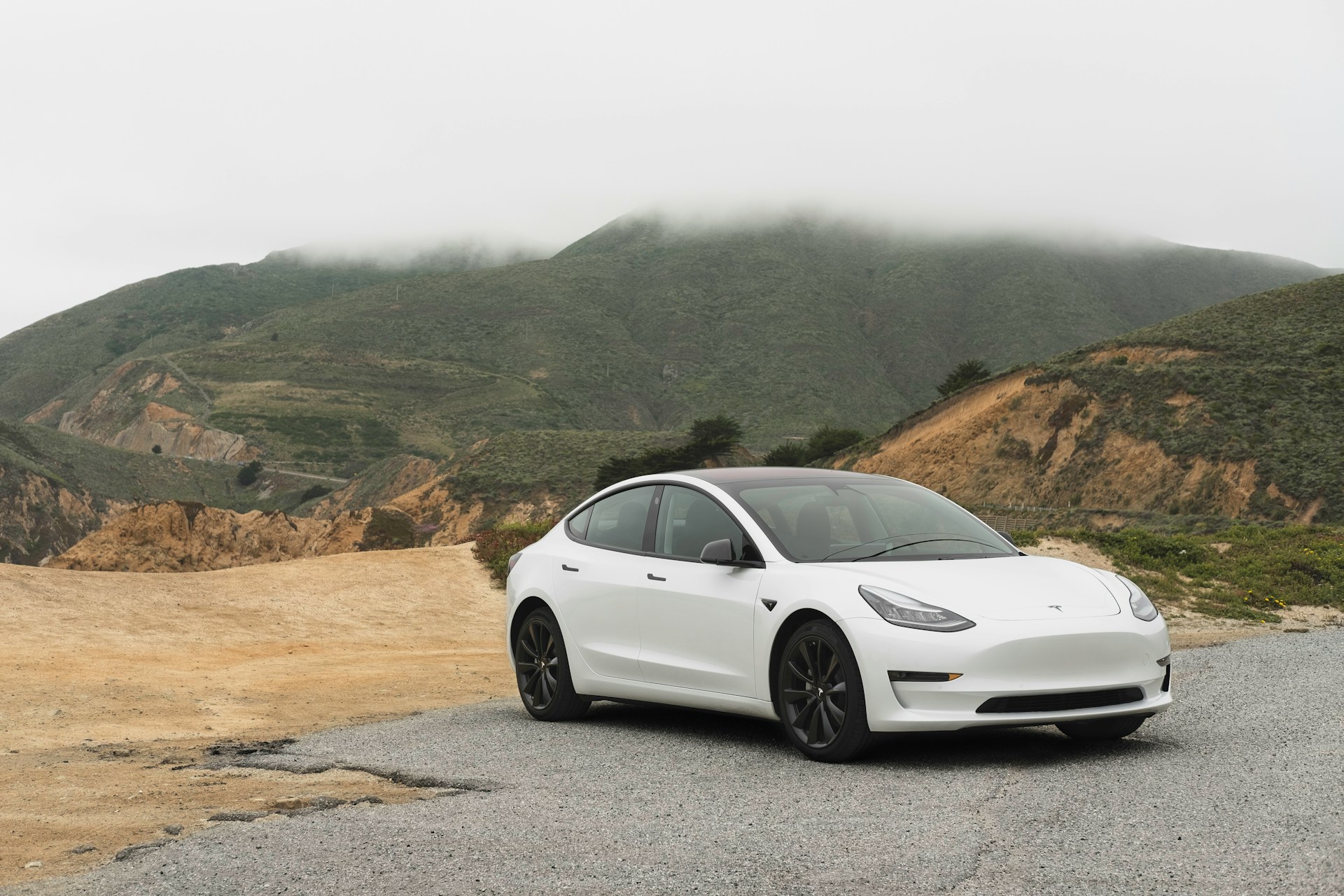
AUSTIN, 3 June (Parliament Politics Magazine) – Tesla officially expanded its unsupervised robotaxi service to the entire Austin metro area today. This rollout marks a significant strategic milestone for Tesla as the company accelerates its autonomous ride-hailing operations by removing human safety drivers across the Texas region.
Scaling Autonomous Operations in Texas
The rollout of the unsupervised robotaxi service marks the fifth time the company has expanded its operational geofence in the city. What began as a modest twenty-square-mile pilot program in South Austin has now ballooned into a massive 245-square-mile coverage zone. The newly expanded network now encompasses critical transit hubs, including the Austin-Bergstrom International Airport and the local Gigafactory Texas campus. Furthermore, the service has extended into major suburban submarkets such as Pflugerville and Manor, while enabling autonomous navigation along high-speed arteries like Interstate 35.
Despite this expansive geographic footprint, the service remains constrained by fleet size. Tesla currently operates approximately fifty vehicles within the city, a number that pales in comparison to competitors who command a fleet of more than 250 vehicles in the same market. Because of this limited supply, customers frequently experience significant wait times, sometimes exceeding thirty minutes. The operational system often functions more like a controlled pilot than a robust on-demand utility, with ride requests occasionally becoming unavailable during peak evening hours on weekdays.
Technical Hurdles and Safety Reports
“Unsupervised Robotaxi now in the entire Austin Metro area,” the official account posted on X to announce the milestone. While the expansion represents a major step forward, the technology remains under heavy scrutiny. The company operates these vehicles using its camera-only Full Self-Driving software, which has faced questions regarding its performance in complex edge-case scenarios. Recent unredacted safety reports revealed seventeen minor incidents since the platform’s initial inception. These events included stationary collisions where vehicles were rear-ended, as well as navigation issues such as a side mirror striking a parked trailer and vehicles backing into utility poles.
The business has occasionally utilized trailing chase cars to visually validate trips and monitor performance, indicating that the technology is still in a refinement phase. Even with remote intervention capabilities, there have been instances where human operators attempting to assist stuck vehicles inadvertently guided them into curbs or temporary barricades. Regarding these operational challenges, a company spokesperson stated,
“We are committed to continuous improvement, acknowledging that every data point from these real-world scenarios is essential to refining our autonomous systems for future safety and reliability.”
These technical challenges highlight the difficult path ahead as the company attempts to transition its software from a supervised environment to a fully autonomous, driverless network.
Future Strategy and Purpose-Built Fleet
The Austin integration acts as a testing ground for a wider multi-city strategy that has already seen quiet expansions into Dallas and Houston. Looking toward the long-term, Tesla is preparing to move beyond the converted Model Y crossovers currently running the service. The company is actively testing its purpose-built Cybercab at Giga Texas, utilizing assembly lines where vehicles drive themselves to storage lots without human intervention. By transitioning to this dedicated platform, analysts expect the company to significantly reduce hardware overhead costs.
The company has projected that fully self-driving cars without human safety monitors will become increasingly common across the United States toward the end of the year. As updated software iterations continue to clear regulatory checkpoints, the industry is watching to see if Tesla can successfully scale its ride-hailing network to meet rising demand. For now, the Austin metro rollout provides the essential data required to validate the performance of its camera-only vision system in a complex, real-world urban environment.