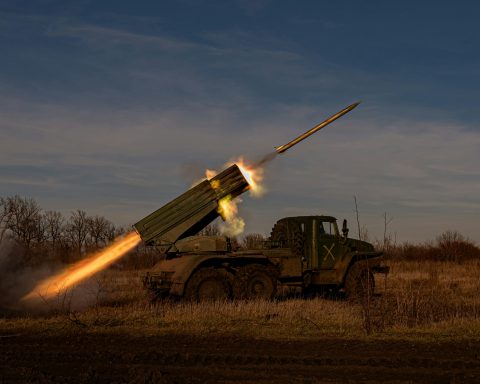
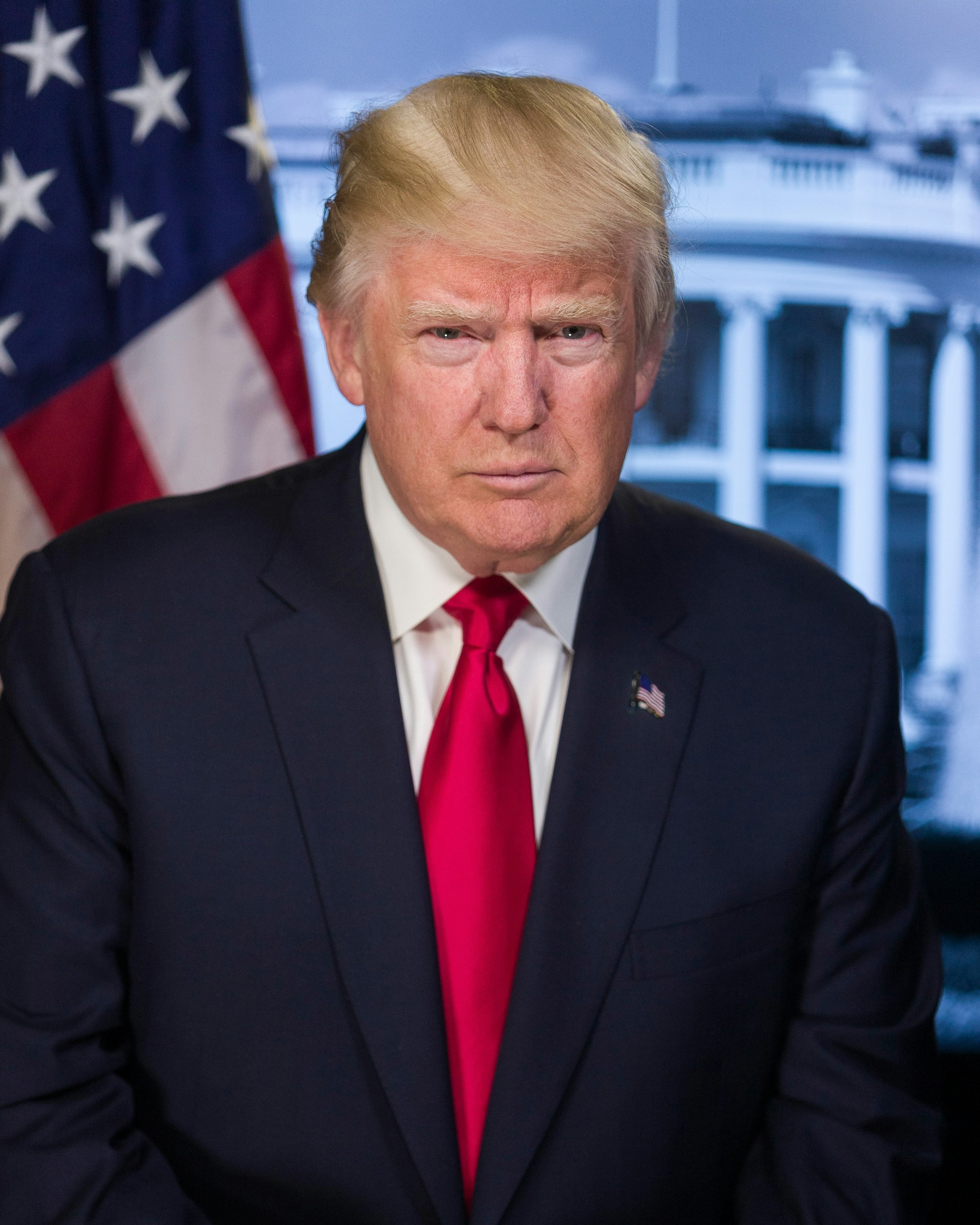
WASHINGTON, 4 June (Parliament Politics Magazine) – Recent Trump ceasefires are struggling to contain ongoing violence across Gaza, Lebanon, and the Gulf. Despite these diplomatic efforts, military operations persist as combatants leverage truces for strategic gains, leaving the Middle East in a state of continued, volatile conflict.
Stalled Security Progress Across Gaza
The initial ceasefire between Israel and Hamas, brokered in October 2025, aimed to end major warfare. The deal involved a comprehensive halt to fighting, hostage releases, and a phased Israeli withdrawal. However, these Trump ceasefires have faced immense challenges as both sides dispute aid volumes and territorial control. Hamas has refused to disarm, and Israel continues to express clear intentions to expand its influence. Consequently, more than 900 Palestinians have been killed by Israeli airstrikes since the truce began, while sporadic militant attacks have resulted in additional casualties among Israeli soldiers in the region.
Regional Conflicts Continue Despite Truce
Following the 2024 conflict, a ceasefire between Israel and Hezbollah was only partially implemented, with both sides frequently accusing each other of recurring violations. Open warfare resumed in March following the broader conflict involving Iran, leading Hezbollah to fire into Israel while Israeli forces seized parts of southern Lebanon. Although President Trump announced a 10-day ceasefire in Lebanon on April 16, intense fighting persisted despite Israel largely refraining from strikes on Beirut. Hezbollah has since rejected a new plan agreed upon by Lebanese and Israeli governments, which was contingent on the group vacating southern areas. Since mid-April, the death toll has risen significantly, with more than 3,500 people killed in the ongoing regional conflict since March.
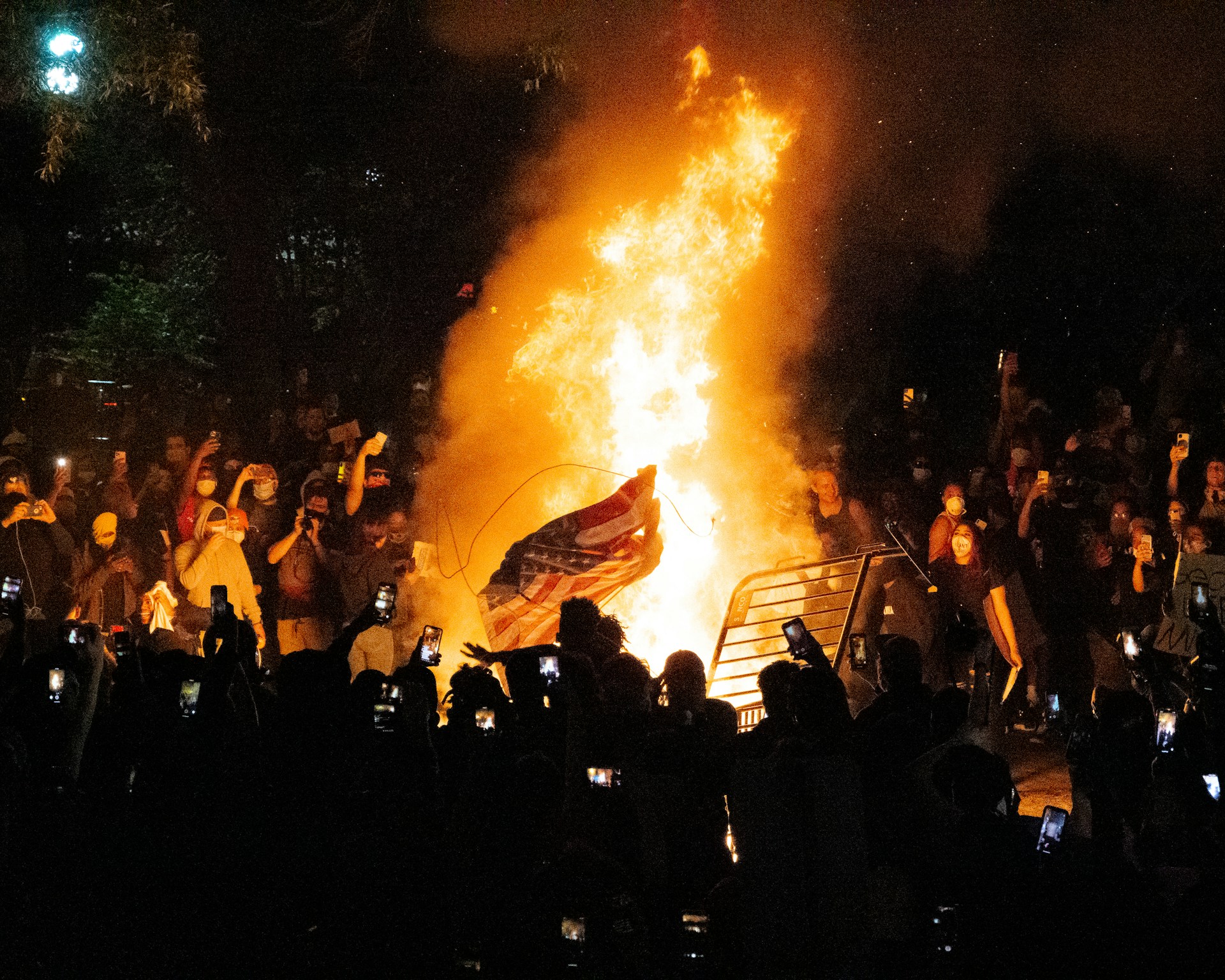
Faltering U.S. Diplomacy With Iran
The U.S. and Israel launched attacks on Iran on February 28 to target nuclear and missile programs. Although the U.S. announced a ceasefire with Iran in early April to facilitate talks on ending hostilities and reopening the Strait of Hormuz, progress remains stalled. Despite repeated indirect negotiations mediated by international partners, a comprehensive agreement has not materialized. Iran continues to assert its interests while the sides exchange fire, as seen in the recent targeting of Gulf states. Combatants now appear to utilize the Trump ceasefires as tactical pauses rather than pathways to long-term political concessions.
“When there’s no movement and there’s no political horizon, it’s very difficult for a ceasefire to hold, because there’s no real incentive for the parties to that ceasefire to continue abiding by it if it doesn’t actually lead to any changes,”
one expert noted.
As regional powers grow more assertive, the Trump ceasefires remain precarious. Without deeper commitments, these agreements risk becoming cycles of escalation rather than peace, particularly as the Trump ceasefires struggle to prevent smaller, violent flare-ups. Future stability depends on whether these Trump ceasefires can be transformed into lasting deals, though current tensions suggest that the Trump ceasefires are currently failing to contain the widespread violence erupting across the Middle East.