


LONDON, United Kingdom, June 6 (Parliament Politics Magazine) – AI-assisted surgery entered a new chapter in modern healthcare after surgeons in the United Kingdom successfully used an advanced artificial intelligence-powered tool during a live operation. The development is being viewed as a significant step forward for medical technology, offering surgeons enhanced decision-support capabilities while maintaining full human control over patient care. Healthcare experts say AI-assisted surgery could play an increasingly important role in operating rooms as hospitals continue exploring new ways to improve precision, efficiency, and patient outcomes.
AI-Assisted Surgery Successfully Deployed During Live Procedure
Medical teams involved in the operation reported that the new technology was designed to provide real-time analysis and support throughout the procedure. Unlike conventional surgical systems, the AI-powered platform can process information rapidly and present insights that may help doctors make more informed decisions.
The successful use of AI-assisted surgery during a live procedure demonstrates how artificial intelligence is moving beyond research settings and into practical clinical environments. Hospitals worldwide are closely watching similar developments as healthcare organizations seek innovative ways to improve care delivery.
“Artificial intelligence is becoming a valuable partner for clinicians by helping organize and analyze information at speeds that humans cannot match.”
New Surgical AI System Provides Real-Time Support for Doctors
The system used during the operation was designed to analyze surgical data in real time and assist medical professionals throughout the procedure. Supporters believe AI-assisted surgery can help identify critical structures, improve visualization, and provide relevant information at key moments.
While artificial intelligence contributes analytical support, surgeons remain fully responsible for every decision made during an operation. Medical leaders emphasize that AI is intended to enhance human expertise rather than replace it.
According to healthcare specialists, AI-assisted surgery may eventually help reduce certain risks, improve consistency, and support better surgical planning before procedures even begin.
“The goal is not to replace surgeons but to provide them with better information when every second matters.”
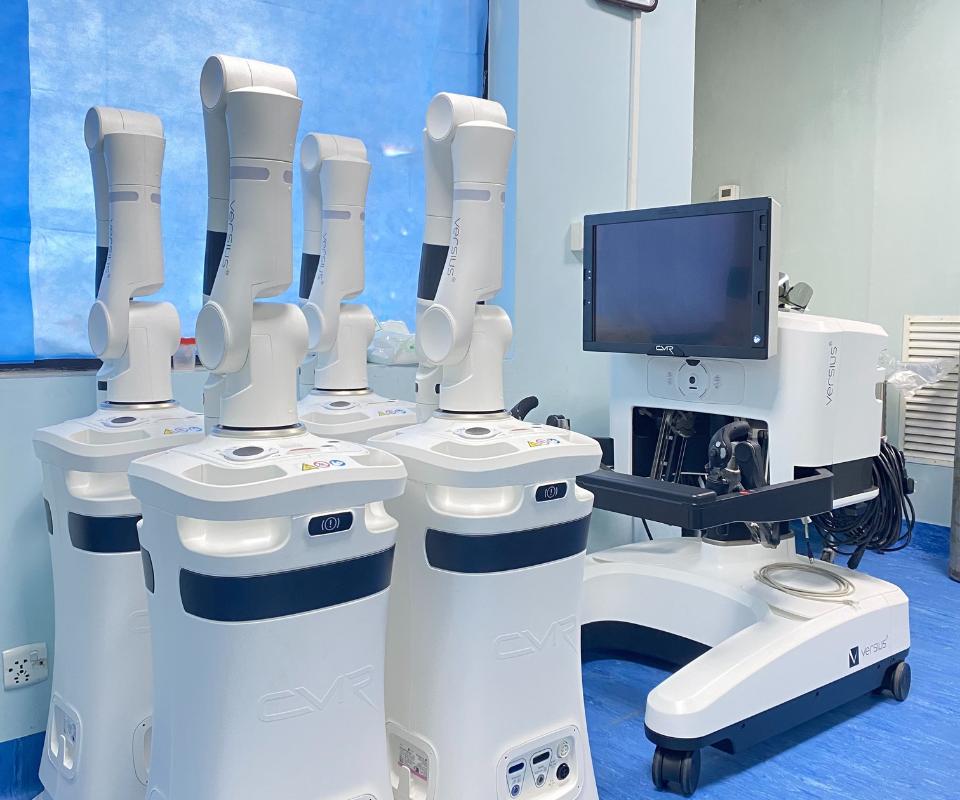
Evolution of AI-Assisted Surgery From Research to Clinical Practice
The concept of AI-assisted surgery has been developing for years as researchers explored ways to combine artificial intelligence with advanced surgical technologies. Early applications focused on image analysis and robotic assistance, helping physicians interpret complex medical data more efficiently.
Over time, improvements in machine learning, computing power, and medical imaging created opportunities for more sophisticated systems. Hospitals began testing AI tools capable of analyzing scans, identifying abnormalities, and supporting treatment planning.
The latest UK operation represents another milestone in the ongoing evolution of AI-assisted surgery, showing how these technologies are becoming increasingly integrated into real-world healthcare environments.
Healthcare Experts Highlight Potential Benefits of AI-Assisted Surgery
Healthcare experts believe AI-assisted surgery may provide several potential advantages for both surgeons and patients.
These benefits could include:
- Improved surgical precision
- Faster access to critical information
- Enhanced visualization during procedures
- Better workflow efficiency
- More consistent surgical outcomes
- Support for training future surgeons
Although researchers continue studying long-term results, many specialists view AI-assisted surgery as a promising advancement that could strengthen patient safety and improve procedural effectiveness.
“Innovation in healthcare succeeds when technology and human expertise work together to improve patient outcomes.”
Hospitals Worldwide Increase Investment in Surgical Artificial Intelligence
Interest in AI-assisted surgery continues to grow across Europe, North America, and Asia. Healthcare systems are investing heavily in artificial intelligence research as demand increases for technologies that can help address workforce challenges and improve operational efficiency.
Many experts believe the successful use of AI-assisted surgery in a live operation could encourage additional hospitals to explore similar technologies. Clinical trials and ongoing research projects are expected to provide more data regarding effectiveness, reliability, and patient benefits.
As adoption expands, healthcare organizations will continue balancing innovation with strict safety standards, regulatory oversight, and ethical considerations.
AI-Assisted Surgery Could Shape the Next Generation of Healthcare
The successful deployment of AI-assisted surgery during a live operation highlights the rapid pace of medical innovation. While artificial intelligence remains a support tool rather than an independent decision-maker, its growing presence in healthcare suggests a future where doctors have access to increasingly advanced resources.
Medical professionals believe AI-assisted surgery could eventually become a standard feature in many operating rooms, helping clinicians deliver more precise and informed care. Continued research, testing, and regulatory review will determine how quickly these technologies become widely available.
UK Surgical Breakthrough Demonstrates Growing Role of Artificial Intelligence in Medicine
The use of AI-assisted surgery during a live operation in London represents a notable advancement in healthcare technology. By combining human expertise with artificial intelligence-driven analysis, surgeons are gaining access to new tools that may improve efficiency, precision, and patient outcomes.
As healthcare systems continue embracing innovation, this milestone could mark an important step toward the next generation of surgical care.
