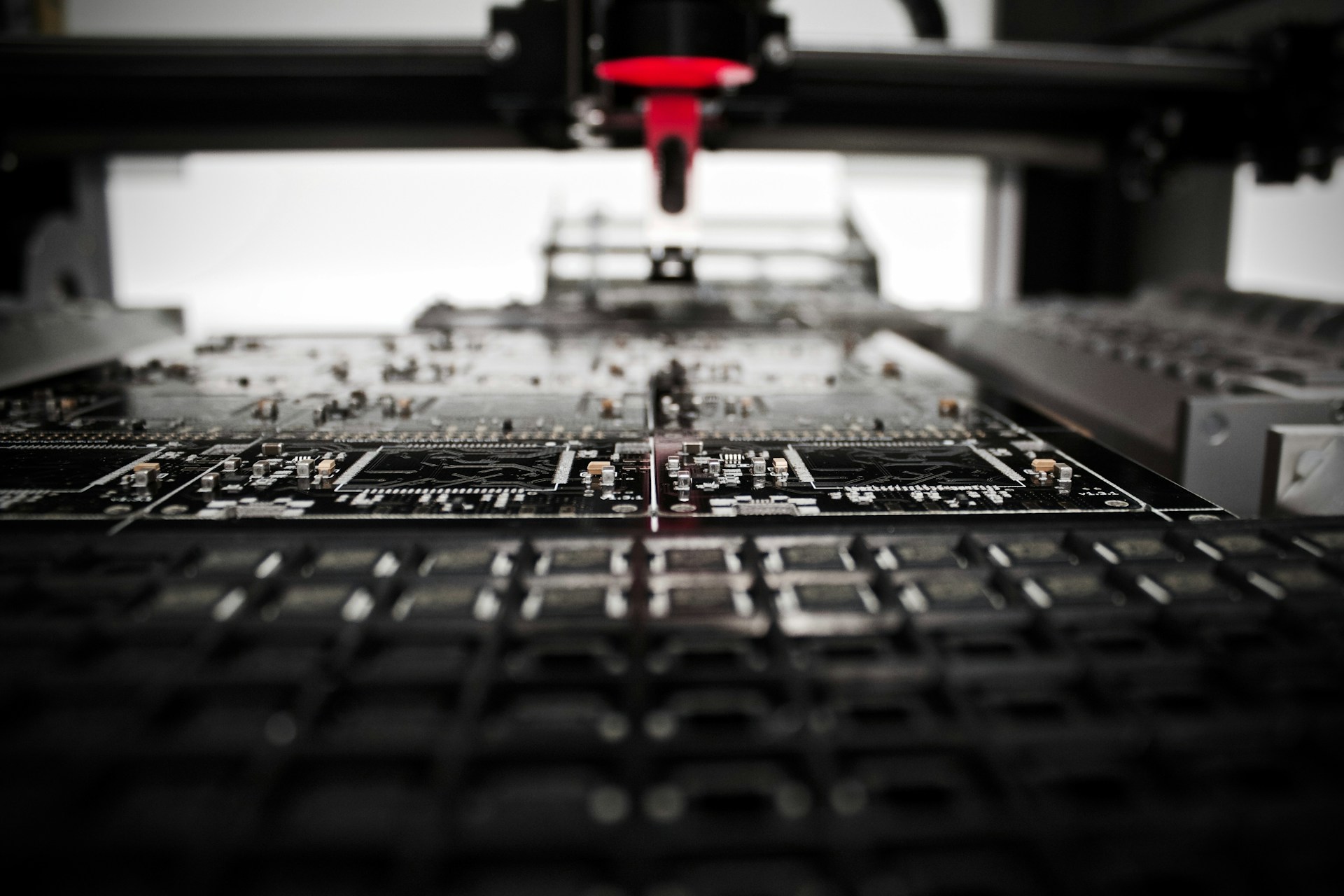
CALIFORNIA, United States, June 8 (Parliament Politics Magazine) – advanced chip production is once again in the spotlight after reports indicated that Google and Nvidia are considering Intel as a backup semiconductor manufacturing partner. The reported discussions highlight the growing importance of supply chain resilience as demand for artificial intelligence hardware continues to accelerate worldwide.
The latest developments suggest that advanced chip production has become a strategic priority for major technology companies seeking reliable access to manufacturing capacity amid rising competition in the AI sector.
“Manufacturing flexibility is becoming essential as demand for high-performance chips continues to increase,”
said a semiconductor industry analyst.
Technology Companies Seek Manufacturing Alternatives
The reported interest in Intel reflects broader industry efforts to strengthen advanced chip production capabilities. As artificial intelligence applications expand across industries, technology firms are searching for additional manufacturing partners that can provide reliable output and reduce supply chain risks.
Industry experts say growing demand for AI processors has made advanced chip production one of the most critical areas within the technology sector. Companies increasingly view manufacturing diversification as an important strategy for maintaining long-term competitiveness.
“Access to semiconductor capacity is now a strategic business advantage,”
noted a technology market consultant.
Artificial Intelligence Drives Semiconductor Demand
The rapid expansion of AI systems has dramatically increased the need for advanced chip production. Modern artificial intelligence models require powerful processors capable of handling complex computations and massive datasets.
Google, Nvidia, and other technology leaders continue investing heavily in AI infrastructure, creating strong demand for manufacturing capacity. Analysts believe this trend will keep advanced chip production at the center of industry discussions for years to come.
As competition intensifies, manufacturers capable of delivering cutting-edge chips may play an increasingly important role in the global technology ecosystem.
History of Semiconductor Manufacturing Competition
The growing focus on advanced chip production reflects decades of competition within the semiconductor industry. Historically, companies that controlled both chip design and manufacturing often gained significant competitive advantages.
Over time, specialized foundries emerged as major players, allowing technology firms to outsource manufacturing while focusing on product development. Today, the race for leadership in advanced chip production has become a key factor shaping global technology markets.
Governments and corporations alike recognize that semiconductor manufacturing remains essential for economic growth, innovation, and national competitiveness.
“The semiconductor industry has evolved into one of the most strategically important sectors in the global economy,”
said a technology researcher.
Intel’s Potential Role in Future Growth
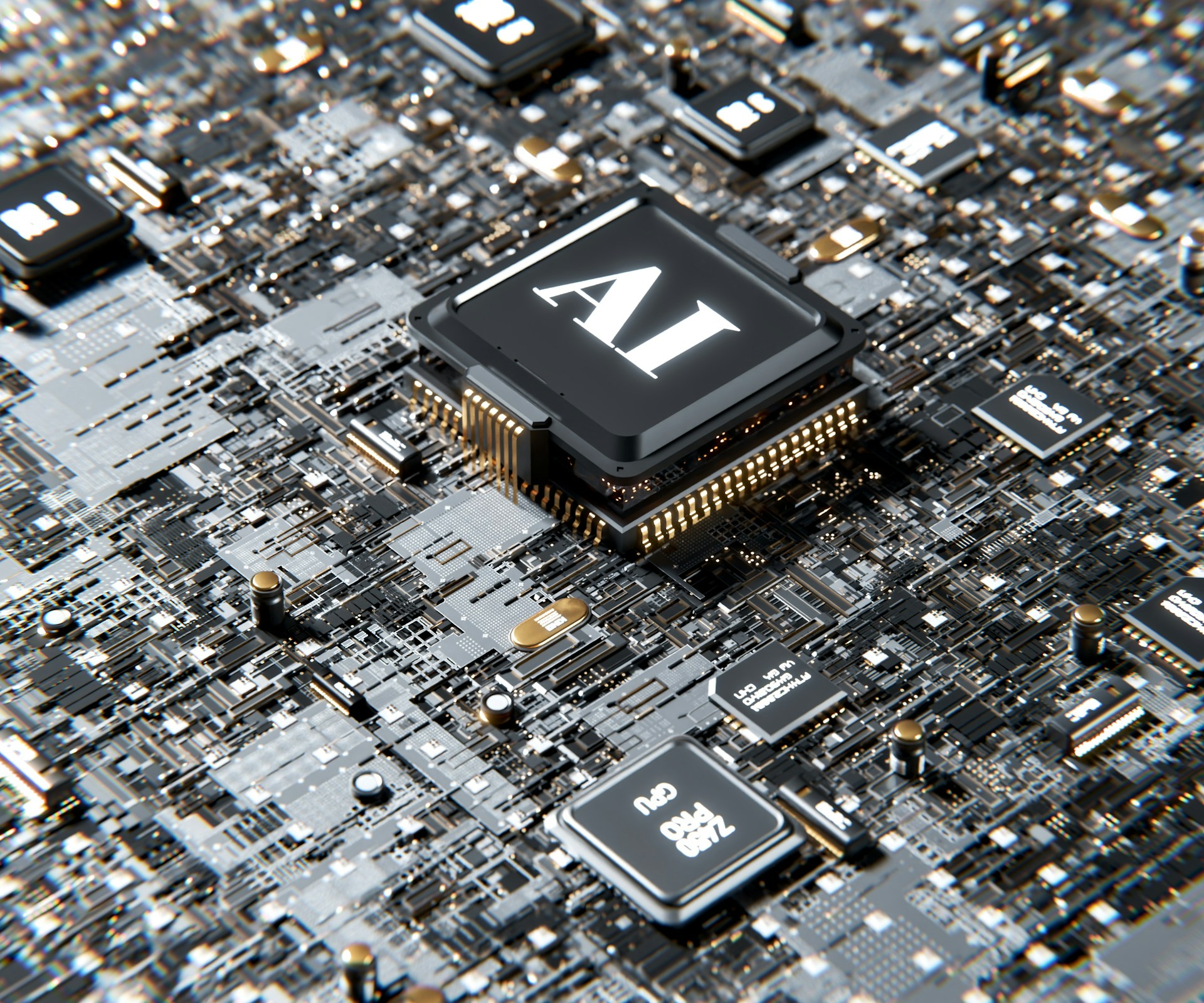
Reports involving Google and Nvidia demonstrate how advanced chip production priorities continue changing as companies seek greater flexibility. Intel has invested heavily in expanding manufacturing operations and positioning itself as a larger provider of contract chip fabrication services.
Industry observers believe stronger participation in advanced chip production could help Intel strengthen its position within the rapidly expanding AI market. The company’s manufacturing investments are intended to attract customers seeking additional production options.
What Comes Next
Technology analysts expect discussions surrounding advanced chip production to remain a major focus throughout 2026 as demand for artificial intelligence hardware continues growing. Whether or not Google and Nvidia ultimately expand their relationship with Intel, the reported interest highlights the increasing importance of manufacturing capacity.
The future of advanced chip production will likely depend on continued investments in fabrication facilities, innovation, and supply chain diversification across the semiconductor industry.