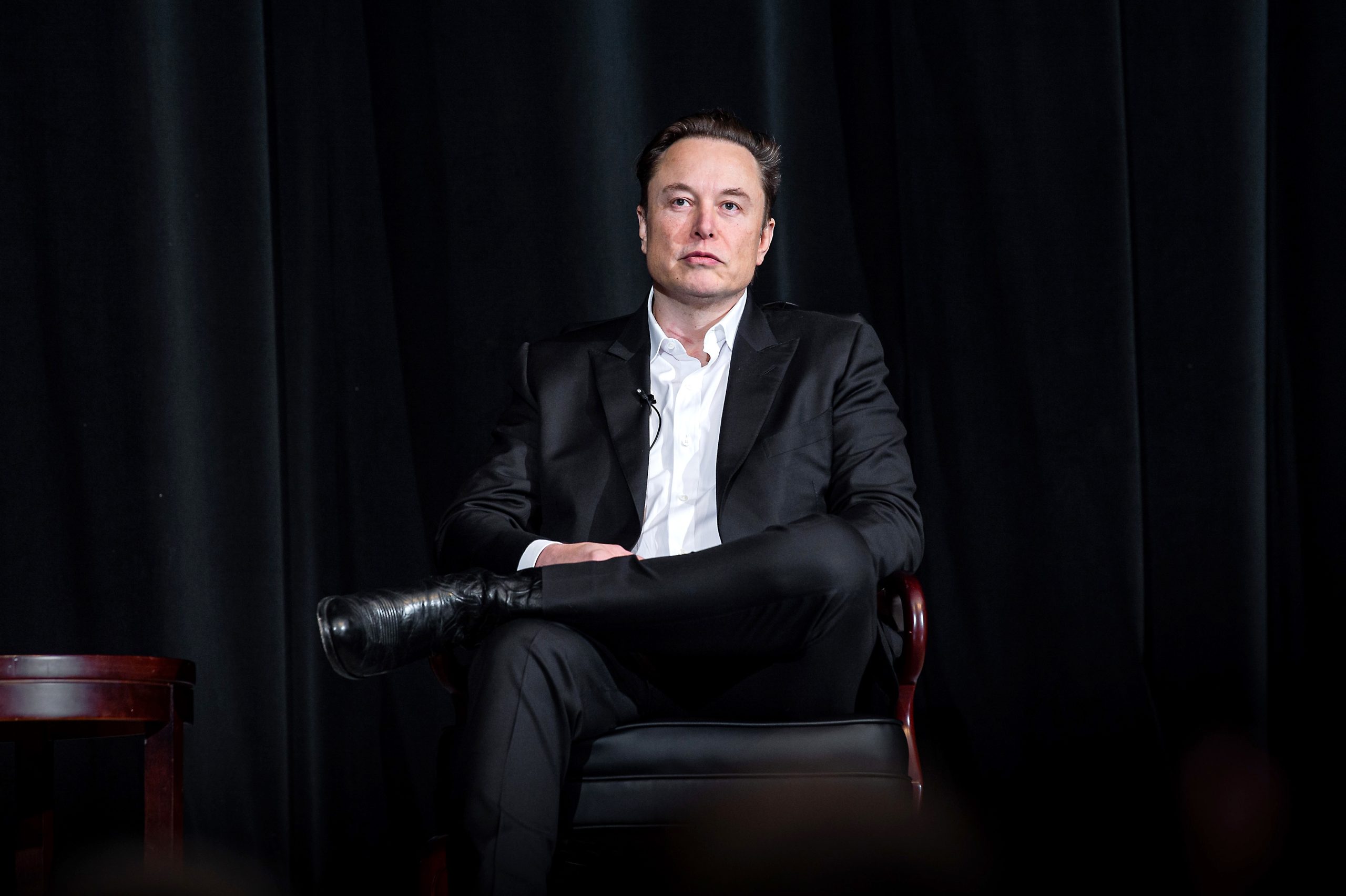
LONDON, June 12 (Parliament Politics Magazine) –The business landscape shifted on Thursday as SpaceX raised a record $75 billion in its initial public offering, cementing Elon Musk’s position as the world’s first trillionaire. This financial milestone marks a significant moment for the entrepreneur, whose net worth has now climbed past $1.1 trillion according to recent company filings and reports from Forbes.
Investors showed immense enthusiasm during the offering, a move that highlights the growing interest in Musk’s diverse business ventures. While concerns regarding wealth inequality and the governance of his companies persist, the market response suggests that faith in his long-term vision remains high.
A Massive Financial Shift
Prior to the share sale, Forbes estimated Musk’s wealth at approximately $780 billion. With the new capital from the SpaceX IPO, his holdings in the company, which are valued at roughly $866 billion, helped push his total net worth into the trillion-dollar territory as trading began on Friday.
This figure places Musk significantly ahead of other high-net-worth individuals, including Alphabet co-founder Larry Page and Oracle founder Larry Ellison. The scale of this wealth is unprecedented, as most other major business leaders possess net worths that represent only a fraction of Musk’s current valuation.
“The second richest person has been hovering around $300 billion, so about less than one-third of what Musk can potentially be worth tomorrow,” said Matt Durot, deputy editor at Forbes Wealth.
The Influence of Muskonomy
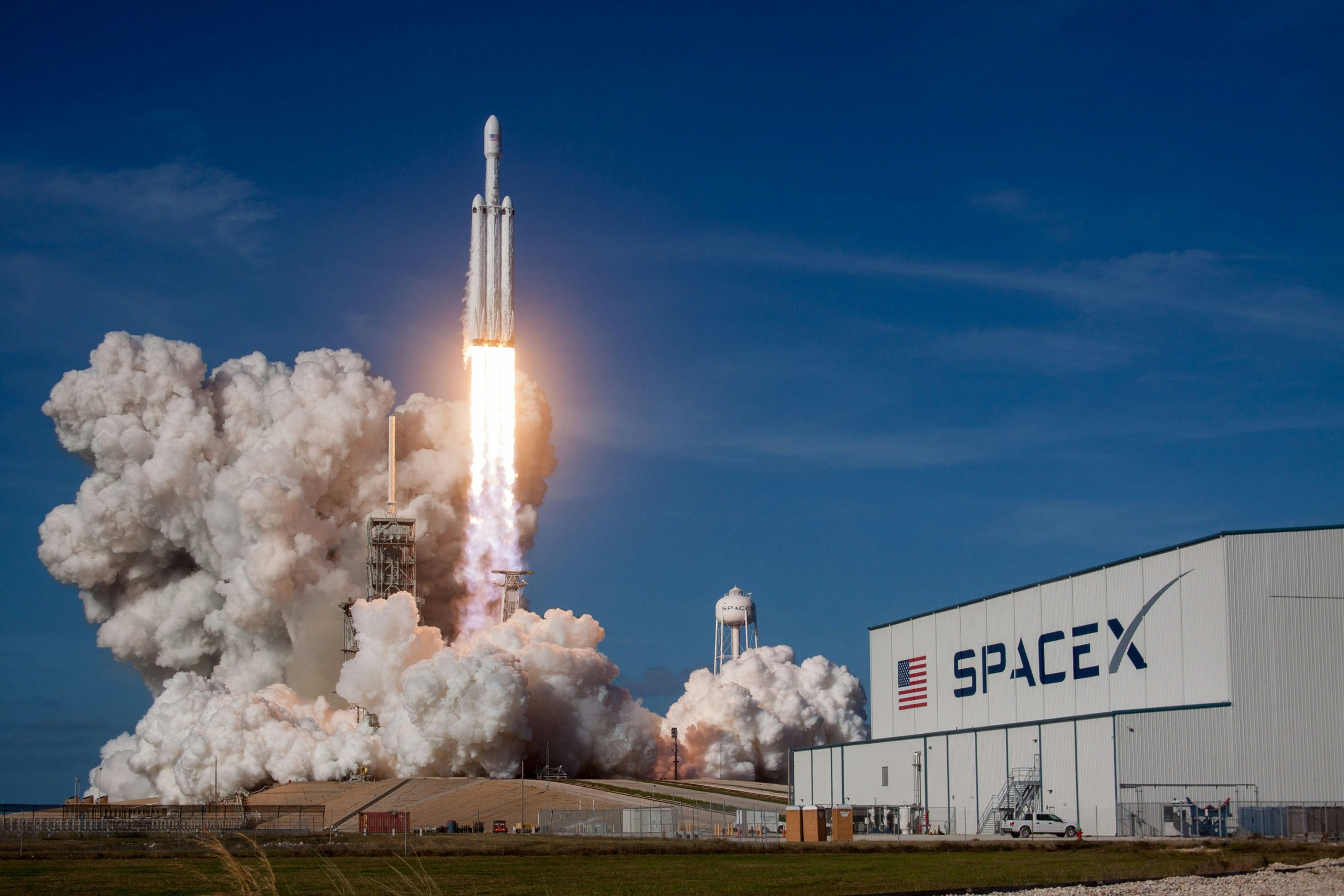
Musk’s empire, centered on Tesla and SpaceX, has grown to such an extent that market observers often refer to his collection of businesses as the “Muskonomy.” His influence spans from the automotive industry to aerospace, artificial intelligence, and social media. Following his acquisition of Twitter in 2022, he gained a platform to express his views on a wide array of topics, further embedding himself in global internet culture.
However, this level of influence has not been without friction. His transition into political spheres, specifically his work with the Department of Government Efficiency during the Trump administration, drew significant attention. These political ventures coincided with periods of weakening sales for Tesla in international markets, highlighting the risks of linking a corporate leader’s persona so closely with political causes.
Valuation and Future Bets
Investors frequently point to what they call the “Elon premium” when discussing the valuation of his companies. This term describes a boost driven by public and investor faith in Musk’s ability to execute ambitious projects, rather than traditional financial metrics alone.
While SpaceX remains a cash-intensive operation with technologies that require long-term development, the market continues to treat it as a significant bet on Musk himself. This approach mirrors the trajectory of Tesla, which grew into the world’s most valuable automaker despite early skepticism from legacy competitors.
The concentration of power around a single individual remains a point of contention for some critics who worry about corporate governance and potential conflicts of interest. Despite these concerns, Musk continues to receive praise for his role in reviving interest in American engineering and innovation. His supporters often compare his impact to that of historical figures known for their contributions to science and technology, viewing his work as essential to future industrial advancements.
The ongoing evolution of the Muskonomy suggests that despite the controversies and the fluctuating relationship with political figures, the financial markets remain heavily invested in his vision. Whether this faith translates into long-term commercial viability for his more experimental startups remains a question for the coming years.