Copenhagen, Denmark, June 9 (Parliament Politics Magazine) – Cement industry emissions are at the center of a major climate investment after Denmark announced a funding package worth approximately $2.6 billion to support a large-scale carbon capture and storage project at one of the country’s leading cement production facilities. Danish officials say the initiative represents a significant step toward reducing greenhouse gas emissions from one of the world’s most carbon-intensive industries.
The investment comes as governments across Europe accelerate efforts to meet climate targets while maintaining industrial production and economic competitiveness.
Denmark Makes Major Bet on Carbon Capture Technology
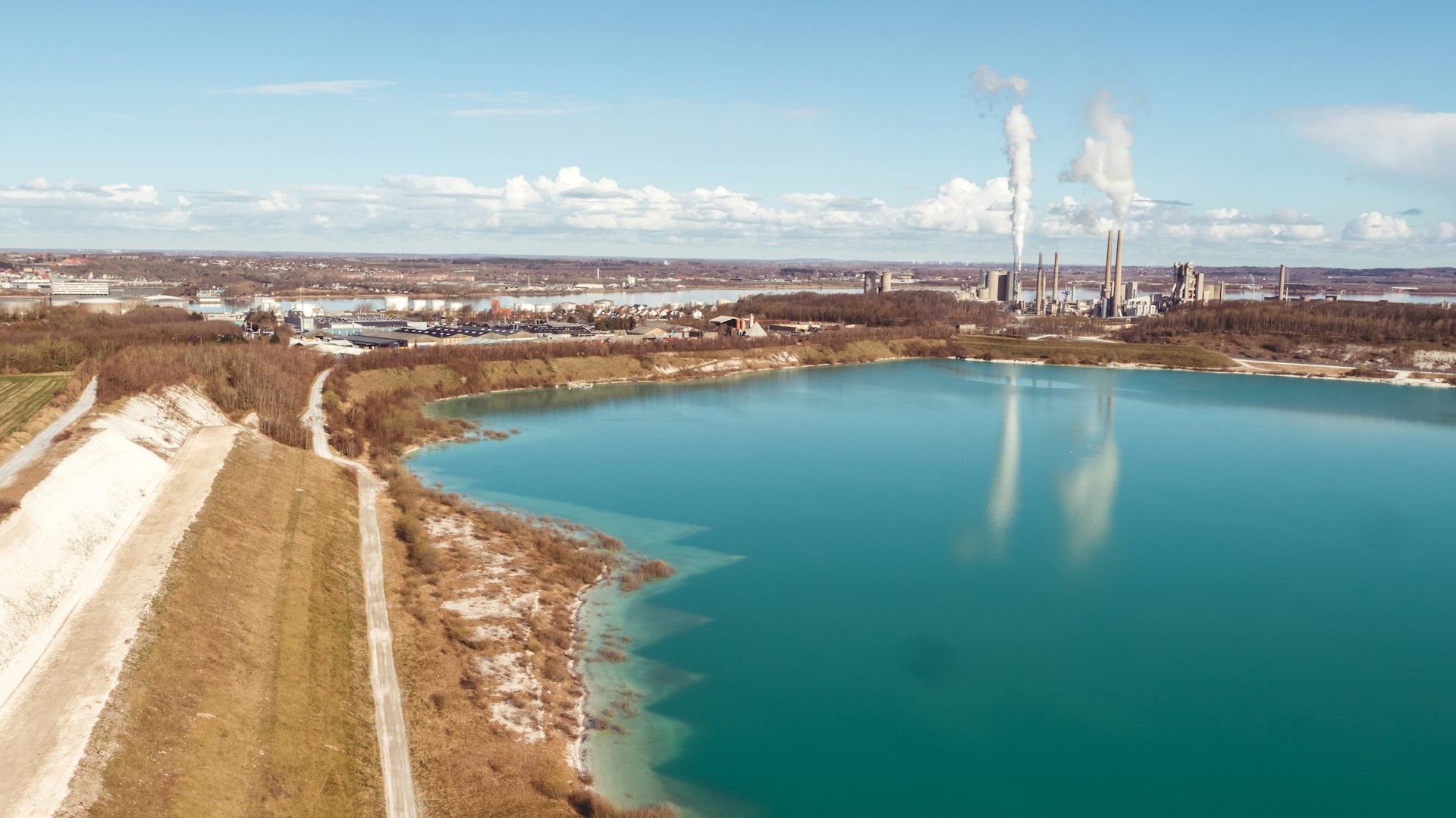
Denmark’s government confirmed that the funding will support the development of carbon capture and storage infrastructure designed to collect carbon dioxide generated during cement production and permanently store it underground.
Officials believe the project could become one of Europe’s most important industrial decarbonization initiatives. Unlike many sectors that can reduce emissions through renewable electricity, cement manufacturing presents unique challenges because emissions are created not only from energy use but also from the chemical reactions involved in producing cement.
A Danish government representative said:
“This investment demonstrates our commitment to reducing industrial emissions while supporting innovation and long-term economic growth.”
The project is expected to play a key role in Denmark’s broader climate strategy over the coming decades.
Why Cement Production Remains a Climate Challenge
The issue of cement industry emissions has become increasingly important in global climate discussions. Cement is one of the most widely used construction materials in the world, making it essential for infrastructure, housing, transportation projects, and economic development.
However, producing cement generates significant amounts of carbon dioxide. Industry studies estimate that cement manufacturing accounts for a substantial share of global industrial emissions, making it one of the most difficult sectors to decarbonize.
Traditional efficiency improvements have helped reduce some emissions, but experts say additional technologies will be necessary to achieve long-term climate goals.
Carbon capture and storage has emerged as one of the leading solutions because it allows facilities to capture carbon dioxide before it enters the atmosphere and transport it to secure storage locations.
Carbon Reduction Efforts Intensify in Heavy Industry
Governments Increase Focus on Industrial Emissions Challenges
The growing concern over cement industry emissions is prompting governments, investors, and manufacturers to explore new technologies capable of reducing environmental impacts without disrupting essential industries.
Carbon capture projects have gained momentum across Europe as policymakers seek practical ways to address emissions from sectors where renewable energy alone cannot eliminate carbon output.
Supporters argue that carbon capture technology could become a critical tool in achieving national and international climate objectives. They point out that heavy industries such as cement, steel, and chemicals require specialized solutions due to the complexity of their production processes.
The Danish project is being viewed as an important test case for the future of industrial climate technology.
Climate Experts See Significant Potential
Environmental policy specialists generally view carbon capture as an important part of the broader climate transition.
“Some industrial emissions are extremely difficult to eliminate through conventional methods,”
said climate researcher Henrik Rasmussen.
“Carbon capture offers one of the most promising pathways for reducing emissions from cement production.”
Another industry analyst noted:
“Projects of this scale will help determine whether carbon capture can be implemented effectively and economically across global industries.”
Not everyone agrees on the long-term role of carbon capture. Some environmental advocates argue that governments should prioritize emissions prevention and renewable energy investments. Others believe multiple technologies will be needed to achieve ambitious climate targets.
Despite differing opinions, support for carbon capture continues growing among policymakers and industrial leaders.
Investors and Policymakers Watch for Similar Projects Across Europe
Industry observers say Denmark’s decision may encourage additional investments in carbon capture infrastructure throughout Europe and other regions.
Several countries are already evaluating large-scale carbon capture projects as part of their net-zero strategies. If Denmark’s initiative proves successful, it could strengthen confidence among governments and private investors considering similar projects.
Future assessments will likely focus on carbon capture performance, storage reliability, environmental benefits, and economic viability.
The project may also influence how governments structure future funding programs aimed at accelerating industrial decarbonization.
Denmark’s Climate Investment Could Influence Future Policy
Denmark’s $2.6 billion commitment signals strong confidence in carbon capture as a climate solution for hard-to-decarbonize industries. By targeting cement industry emissions, the government is addressing one of the most challenging areas of industrial climate policy.
Supporters believe the initiative could serve as a model for other countries seeking to reduce emissions while maintaining industrial output and economic growth. The project’s performance will likely be closely monitored by governments, environmental groups, and industry leaders worldwide.
As climate targets become increasingly ambitious, investments in advanced emissions-reduction technologies are expected to play a larger role in shaping future environmental policy.
Why the Cement Sector Is Under Growing Pressure to Adapt
The global construction industry continues expanding, increasing demand for cement and other building materials. At the same time, governments are implementing stricter environmental standards and emissions targets.
This combination of rising demand and climate responsibility is pushing manufacturers to invest in cleaner technologies. Denmark’s latest funding announcement reflects a growing recognition that reducing cement industry emissions will be essential to achieving long-term sustainability goals.
Whether carbon capture becomes a widespread industry solution remains to be seen, but Denmark’s investment has positioned the country at the forefront of efforts to transform one of the world’s most emissions-intensive sectors.
Key Takeaways From Denmark’s Carbon Capture Investment
Denmark has announced a $2.6 billion investment in a major carbon capture and storage project aimed at reducing cement industry emissions. The initiative is designed to help one of the world’s most carbon-intensive industries lower its environmental impact while supporting national climate goals. Experts view carbon capture as a promising technology for sectors where emissions are difficult to eliminate through conventional methods. The project is expected to attract international attention as governments and investors evaluate future climate strategies. Its success could influence industrial decarbonization policies and encourage similar investments across Europe and beyond.