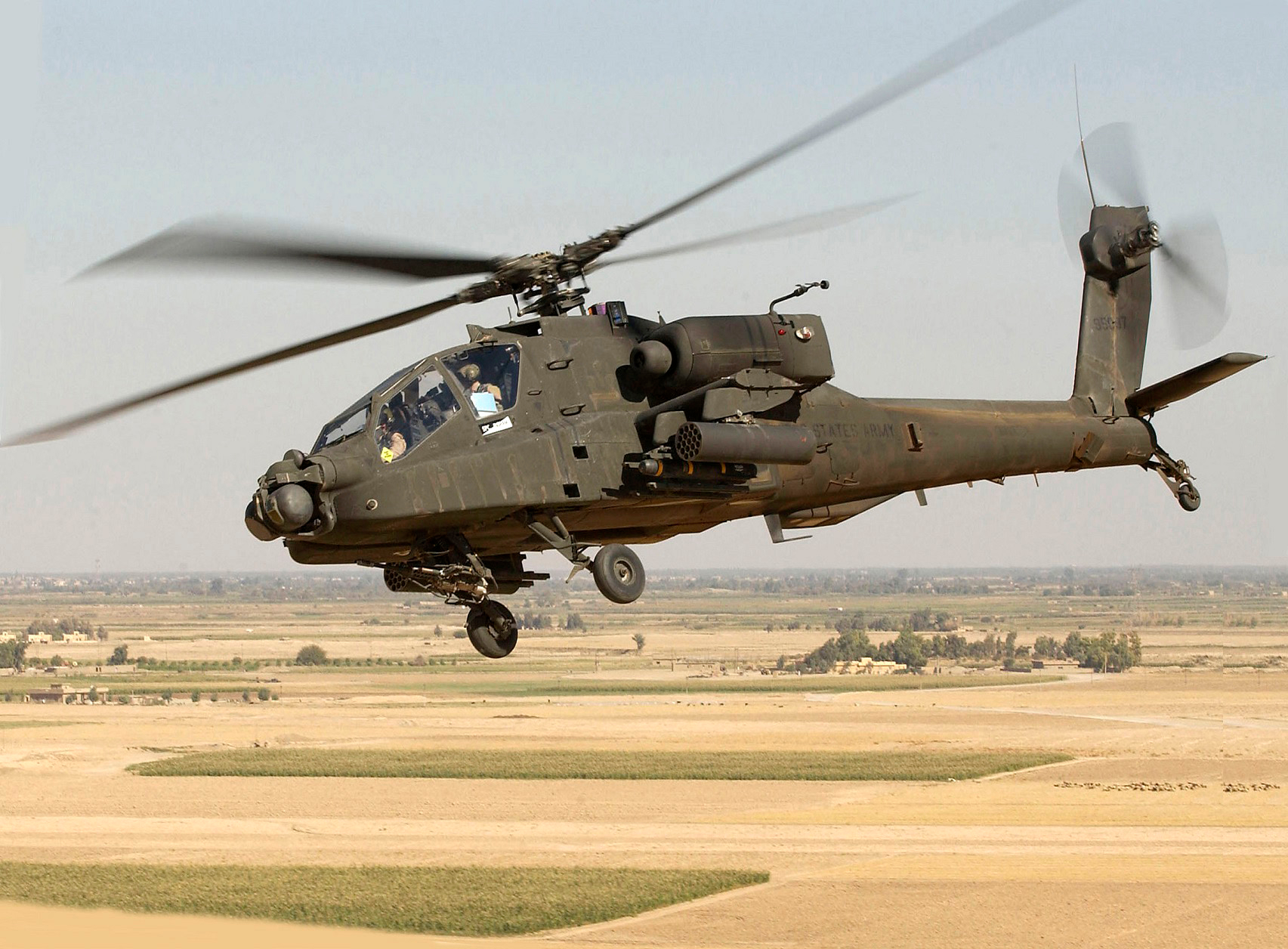
WASHINGTON, June 9 (Parliament Politics Magazine) – United States President Donald Trump announced on Tuesday that Iranian forces shot down a sophisticated Apache helicopter while it patrolled the Strait of Hormuz overnight. Officials confirmed that the aircraft went down at approximately 3 a.m. on Tuesday, according to the United States Central Command.
A United States Navy surface drone successfully located and rescued the two pilots involved in the incident. President Trump stated that both crew members are safe and uninjured following the rescue operation. Despite the successful recovery of the personnel, the administration is now considering its next steps in the region.
“I have just been informed by our Great Military that last night the Iranians shot down one of our highly sophisticated Apache Helicopters while patrolling over the Strait of Hormuz,” the President noted in a public statement.
The downing of the Apache helicopter has created significant tension regarding ongoing diplomatic efforts to broker a lasting peace deal. These negotiations were intended to end the broader conflict in the Middle East and reopen the Strait of Hormuz, which serves as a critical conduit for international energy trade and various other global commodities.
Ongoing Regional Instability
The situation remains complex due to parallel hostilities involving Israeli forces in Lebanon. On Monday, both Israel and Iran indicated a willingness to halt direct exchanges of fire following an appeal from the American administration. However, Tehran maintained that it would resume combat operations if Israeli forces continued to target Hezbollah positions in Lebanon.
Recent military engagements have further complicated the security landscape. On Tuesday, Israel conducted a strike on the historic port city of Tyre in southern Lebanon. This action resulted in at least eight deaths, marking the most lethal attack on the city since the regional fighting began in early March. Local reports indicate that residents had been issued evacuation orders earlier in the day, with civil defence teams assisting vulnerable citizens in finding temporary shelter.
The broader geopolitical environment remains volatile as Iran continues to challenge maritime freedom in the region. Tehran has maintained a persistent blockade on most shipping lanes passing through the Strait of Hormuz, an area that historically accounted for one-fifth of the global supply of crude oil and liquefied natural gas. The United States has simultaneously enforced a strict blockade against various Iranian ports in response to these developments.
Diplomacy Faces Challenges
Efforts to finalize a durable settlement have faced numerous setbacks. While President Trump has previously suggested that a framework for an agreement with Tehran could emerge within days, no definitive deal has been reached to date. The administration faces pressure as domestic midterm elections approach, and officials have emphasized that any prospective agreement must ensure that Iran remains unable to develop a nuclear weapon.
The current diplomatic impasse is also tied to Tehran’s standing demands. Iran has consistently requested the lifting of international sanctions, the release of billions of dollars in frozen assets, and formal recognition of its control over the vital Strait of Hormuz. Conversely, Israeli officials maintain that their military operations in Lebanon are separate from the ongoing discussions regarding a broader ceasefire between Washington and Tehran.
Military leadership in Israel has indicated that they remain prepared for future escalation. During a visit to training exercises in the north, the Israeli military chief noted that recent actions against Iranian interests were merely preparatory for potential future strikes. As both sides continue to maneuver, the downing of the Apache helicopter stands as a major obstacle to the restoration of maritime safety and regional order.