London, United Kingdom, June 9 (Parliament Politics Magazine) – UN report West Bank violence findings moved to the center of international diplomacy this week as the United Kingdom, Canada, France, and Norway jointly announced sanctions targeting individuals and organizations accused of supporting or enabling violent activities linked to Israeli settlers in the occupied West Bank.
The coordinated action marks one of the strongest collective responses from Western allies in recent years regarding escalating tensions in the territory. Officials from all four countries said the measures are intended to address growing concerns about attacks on Palestinian communities, threats to regional stability, and obstacles to future peace efforts.
The announcement follows months of diplomatic discussions among allied governments and comes amid increased scrutiny from international organizations monitoring conditions in the region.
“Violence against civilians has no place in any society and those responsible must be held accountable,” a joint diplomatic statement said.
The sanctions include financial restrictions, asset freezes, and travel limitations aimed at individuals and groups identified by participating governments.
Governments Target Groups Linked to Settler Violence
Government officials stated that the measures are focused on specific actors believed to have contributed to intimidation, harassment, and attacks against Palestinian residents.
The United Kingdom announced restrictions against several entities and individuals accused of providing financial support or logistical assistance to groups involved in settler-related violence. Canada, France, and Norway introduced complementary measures designed to increase the effectiveness of the coordinated effort.
Officials emphasized that the sanctions are targeted rather than broad economic measures.
The four governments said they remain committed to Israel’s security while also stressing the need to uphold international law and protect civilian populations.
Diplomats involved in the discussions noted that coordinated sanctions send a stronger message than unilateral actions because they limit opportunities for sanctioned individuals or organizations to move assets or activities between jurisdictions.
UN Report Brings Fresh Attention to West Bank Conditions
Recent international reports have increased attention on developments across the West Bank.
The UN report West Bank violence findings highlighted concerns about rising attacks, property destruction, displacement of families, and ongoing tensions between settlers and Palestinian communities. Human rights organizations and international observers have reported a noticeable increase in incidents over the past several years.
Several governments cited these developments as a factor in evaluating policy responses.
International officials have repeatedly warned that continued violence could further complicate efforts to achieve a negotiated political solution between Israelis and Palestinians.
The issue has also become a growing topic within European and North American foreign policy discussions as governments assess how best to respond to deteriorating security conditions.
“Accountability remains essential if long-term stability is to be achieved,” a European diplomatic official said during discussions surrounding the sanctions announcement.
Settlement Expansion Draws Renewed International Scrutiny
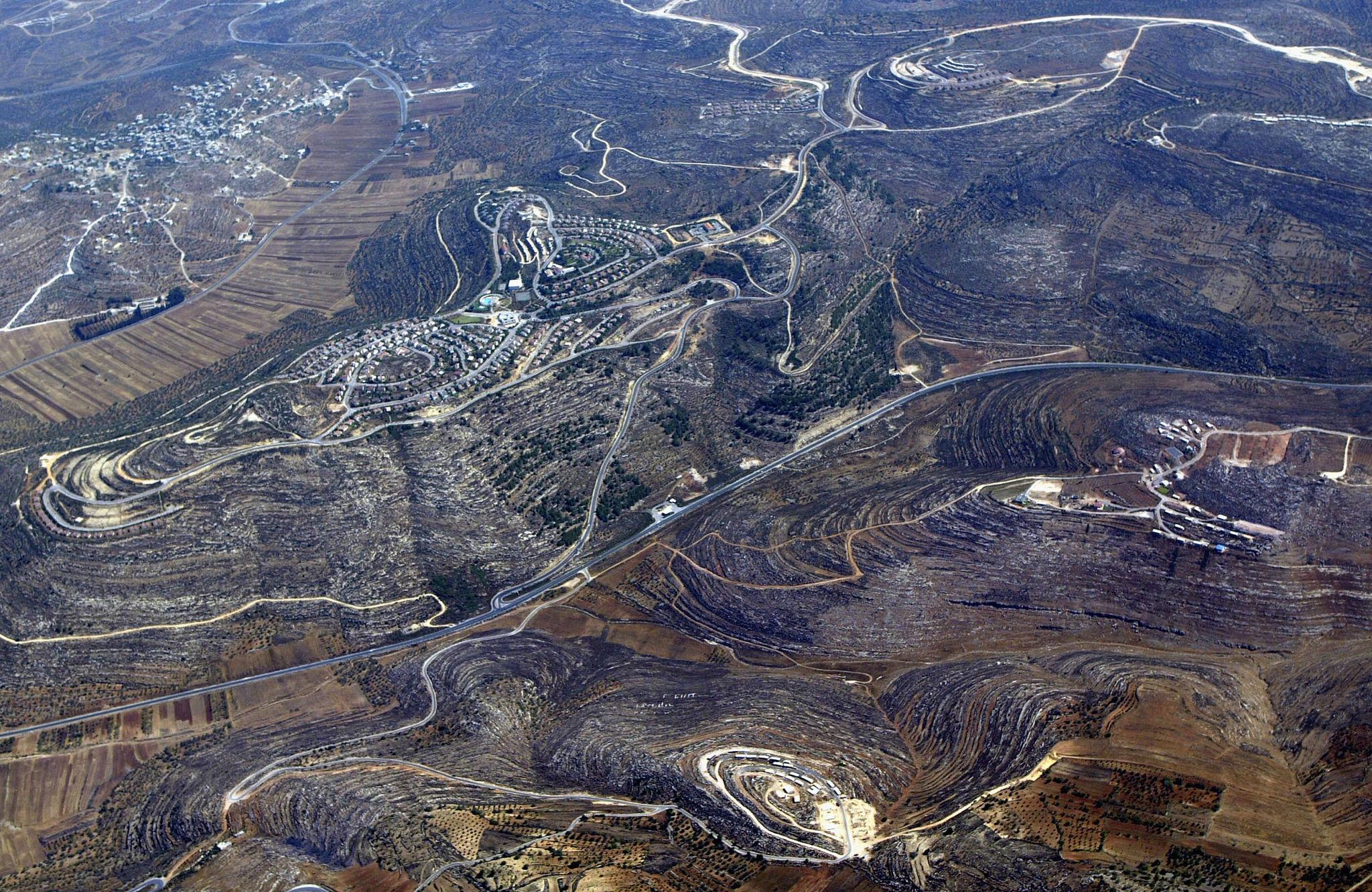
Beyond incidents of violence, policymakers continue to express concern about the expansion of Israeli settlements in disputed territories.
Many Western governments maintain that settlement growth creates additional challenges for future peace negotiations. The issue has long been a point of disagreement between Israel and numerous international partners.
Supporters of the sanctions argue that stronger enforcement measures are necessary to discourage actions that could inflame tensions.
Critics, however, question whether sanctions alone can produce meaningful changes on the ground.
Israeli officials have previously argued that security concerns must be considered when evaluating developments in the region and have rejected some international criticisms regarding settlement-related policies.
The debate continues to shape diplomatic discussions among allies, international organizations, and regional stakeholders.
Businesses and Governments Assess the Impact of Sanctions
The newly announced sanctions are expected to create ripple effects across financial, legal, and diplomatic sectors.
Banks and financial institutions operating internationally will likely increase compliance reviews to ensure transactions do not involve sanctioned individuals or organizations. Companies conducting business connected to the West Bank may also face greater due diligence requirements.
Experts say the coordinated nature of the sanctions increases their practical impact because restrictions now apply across multiple jurisdictions.
Diplomatic analysts believe the move signals growing impatience among Western governments regarding continued reports of violence.
At the same time, officials emphasized that the sanctions are intended to influence behavior rather than disrupt broader economic relations.
International observers will be closely monitoring whether the measures lead to changes in activity on the ground over the coming months.
Experts Weigh the Significance of the Sanctions
Foreign policy specialists describe the sanctions as part of a broader trend toward more direct responses to developments in the West Bank.
Rather than relying solely on public statements or diplomatic pressure, governments are increasingly using targeted financial measures to address concerns related to human rights and security issues.
The UN report West Bank violence has become a significant reference point in these discussions, helping shape debates among policymakers in Europe and North America.
Analysts say coordinated action by four countries demonstrates a higher level of international alignment than has often been seen on this issue.
Many experts believe governments will continue evaluating additional options if violence persists or worsens.
Attention Turns to Upcoming Diplomatic Meetings
Attention is now turning toward upcoming international meetings where officials are expected to discuss next steps.
Diplomats from participating countries have indicated that sanctions are only one component of a broader strategy focused on stability, accountability, and renewed diplomatic engagement.
Additional measures could be considered depending on future developments in the West Bank and the broader Israeli-Palestinian conflict.
For now, governments involved in the initiative say their objective is clear: reduce violence, encourage accountability, and support conditions that could eventually allow for meaningful political progress.
The UN report West Bank violence findings are expected to remain central to international discussions as policymakers assess the effectiveness of the newly announced sanctions.

Western Allies Increase Pressure Over West Bank Violence
The coordinated sanctions announced by the United Kingdom, Canada, France, and Norway represent a notable escalation in international efforts to address settler violence in the West Bank. While questions remain about their long-term impact, the move reflects growing concern among Western allies about security conditions, civilian protection, and the future of regional stability.
As diplomatic efforts continue and policymakers monitor developments, the effectiveness of these sanctions will likely become an important measure of how the international community responds to ongoing tensions in one of the world’s most closely watched conflict zones.
Why This Story Matters
The United Kingdom, Canada, France, and Norway have jointly imposed sanctions targeting individuals and organizations accused of supporting West Bank settler violence. The action follows increased international concern highlighted by the UN report West Bank violence findings and reflects growing pressure for accountability. Officials say the sanctions are designed to discourage violence, protect civilians, and support regional stability. As diplomatic discussions continue, governments and international observers will closely monitor whether these measures influence conditions on the ground and contribute to broader peace efforts in the region.