
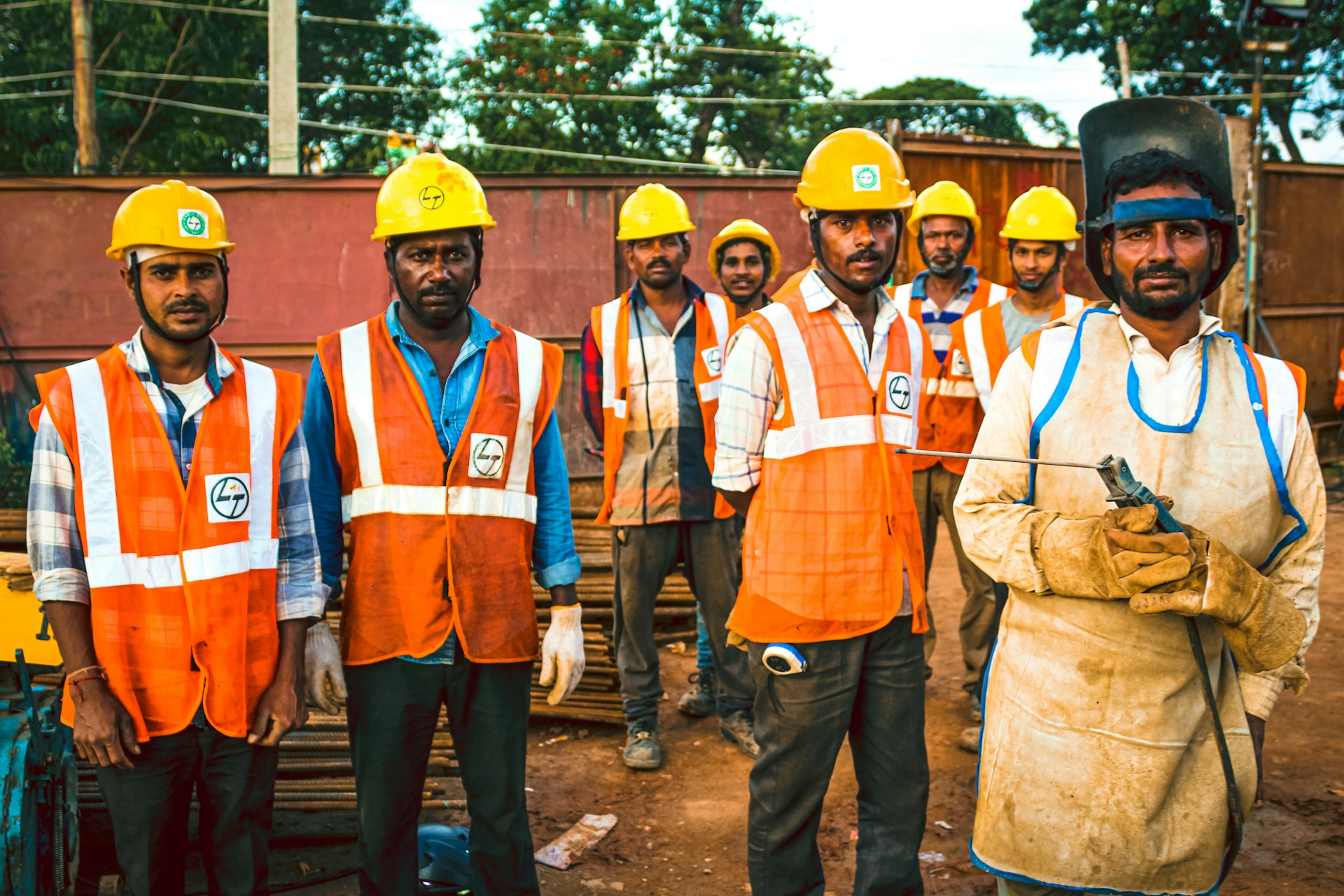
Bangkok, Thailand, June 9 (Parliament Politics Magazine) – Humanitarian employment programs are gaining international attention after the United Nations highlighted Thailand’s efforts to provide legal work opportunities for Myanmar refugees. According to UN officials, Thailand’s approach could offer valuable lessons for other Asian nations seeking practical solutions to displacement challenges while addressing labor shortages and economic needs.
The program has emerged as regional governments continue grappling with the effects of conflict-driven migration, workforce shortages, and growing humanitarian demands.
Thailand Expands Access to Legal Employment
Thailand has increasingly explored policies that allow displaced Myanmar nationals to participate in the labor market through regulated employment opportunities. Supporters of the initiative say it helps refugees achieve greater independence while allowing employers to fill positions in sectors experiencing labor shortages.
The United Nations believes the approach demonstrates how refugee assistance can evolve beyond emergency support and create pathways toward long-term economic participation.
A UN official involved in refugee programs said:
“When refugees are given the opportunity to work legally, they can support themselves, contribute to local economies, and reduce reliance on humanitarian aid.”
The model has attracted attention from policymakers across Asia as countries search for sustainable responses to migration and displacement.
Refugee Displacement Remains a Regional Challenge
Myanmar’s prolonged political instability and conflict have forced large numbers of people to seek safety in neighboring countries. Thailand has become one of the primary destinations due to its shared border, established migrant communities, and economic opportunities.
As refugee populations grow, governments face increasing pressure to balance humanitarian responsibilities with economic and social concerns. Access to housing, healthcare, education, and employment remains central to these discussions.
Thailand’s labor market has long depended on migrant workers in industries such as agriculture, construction, manufacturing, fisheries, and hospitality. Officials and economists say refugee employment initiatives can help address workforce shortages while providing displaced individuals with legal sources of income.
The debate continues over how best to manage migration while protecting labor standards and community interests.
Humanitarian Employment Programs Gain International Attention
Humanitarian Employment Programs Offer a Different Approach
The growing interest in humanitarian employment programs reflects a broader shift in how international organizations view refugee support. Rather than relying exclusively on aid, many experts now advocate policies that encourage self-sufficiency and workforce participation.
Supporters argue that allowing refugees to work legally benefits both host countries and displaced populations. Workers gain financial stability and independence, while businesses gain access to labor in sectors facing shortages.
The approach also helps reduce informal employment, which can expose vulnerable workers to exploitation and unsafe conditions.
International agencies increasingly view employment as a key component of successful refugee integration strategies.
What Labor Experts Say About Thailand’s Refugee Work Model
Migration specialists say Thailand’s experience provides valuable insight into the benefits and challenges associated with refugee workforce integration.
“Employment creates opportunities for both economic participation and social stability,”
said labor policy analyst Somchai Rattanakul.
“When refugees can work legally, communities often benefit from increased economic activity.”
Another regional migration expert added:
“The success of these programs depends on strong worker protections, fair wages, and effective oversight to prevent abuse.”
Experts caution that employment programs alone cannot solve every challenge associated with displacement. Access to education, healthcare, legal protections, and community support remains essential.
Nonetheless, many analysts believe economic participation should play a larger role in future refugee policies.
Governments Across Asia Are Watching Closely
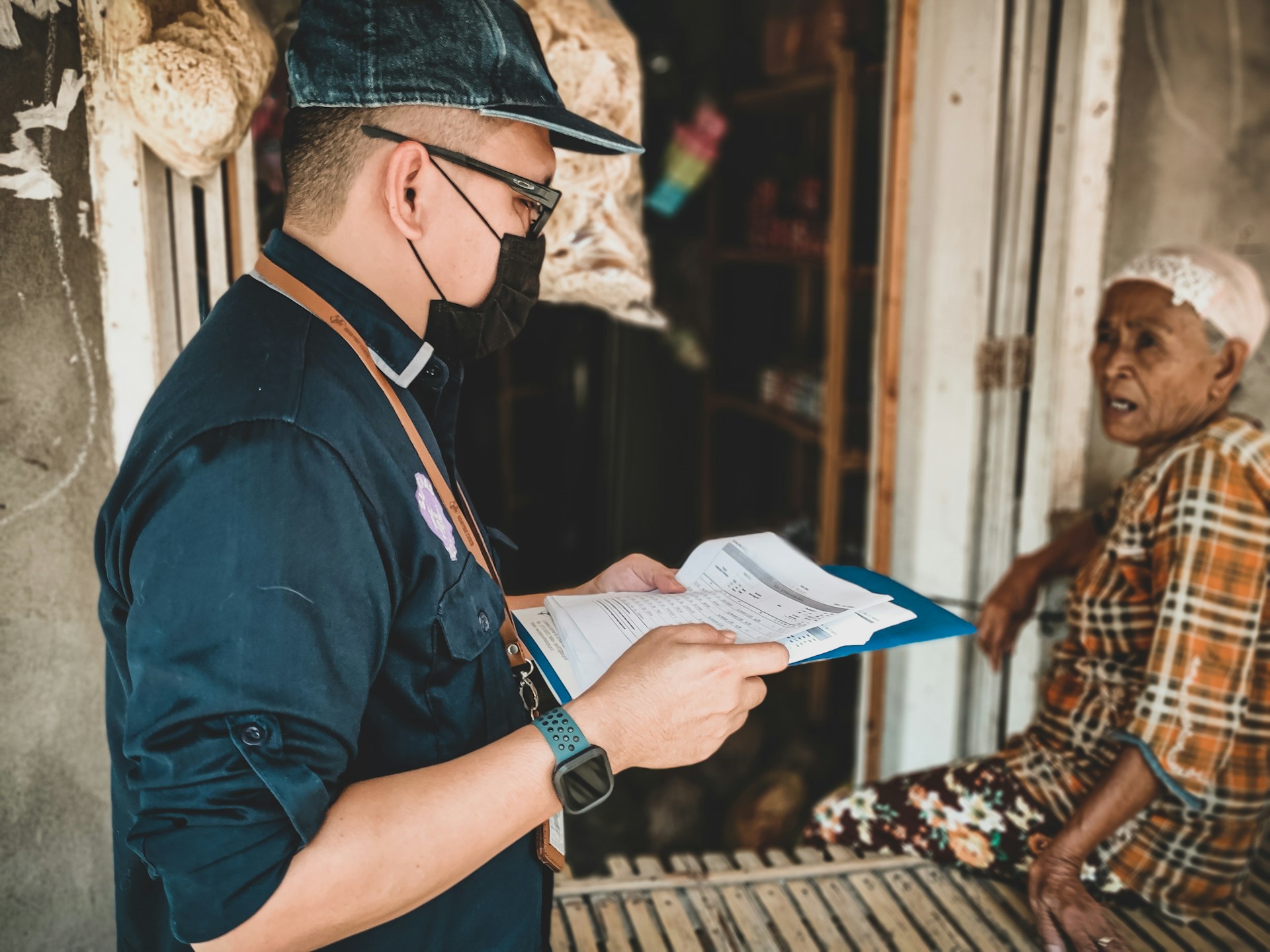
The UN’s endorsement of Thailand’s model has prompted discussions among policymakers throughout Asia. Countries dealing with migration pressures are increasingly exploring ways to combine humanitarian assistance with economic development goals.
Observers say future policy decisions may depend on the measurable outcomes of Thailand’s employment initiatives, including workforce participation rates, economic benefits, and social integration results.
Several governments are evaluating whether similar programs could help address domestic labor shortages while improving conditions for displaced populations.
The debate is expected to remain active as regional migration trends continue evolving.
Thailand’s Experience Could Influence Future Refugee Policies
Thailand’s efforts to connect Myanmar refugees with legal employment opportunities are being closely studied by international organizations and neighboring governments. While challenges remain, supporters view the initiative as a practical example of how refugee assistance can evolve beyond short-term relief efforts.
The program demonstrates that displaced populations can become active contributors to local economies when given appropriate opportunities and protections. At the same time, policymakers continue emphasizing the importance of balancing economic needs with social stability and worker safeguards.
As migration and displacement remain major issues across Asia, Thailand’s experience may help shape future refugee and labor policies throughout the region.
Why Policymakers Are Looking Beyond Traditional Aid Models
The growing focus on humanitarian employment programs reflects a changing perspective on refugee support. Increasingly, governments and international organizations are recognizing that employment can play a critical role in helping displaced people rebuild their lives while contributing to host economies.
For countries facing labor shortages and humanitarian pressures, Thailand’s approach offers a potential framework for balancing economic realities with refugee protection goals. The long-term results of the program could influence policy discussions across Asia for years to come.
Key Takeaways From Thailand’s Refugee Employment Initiative
Thailand’s efforts to provide legal employment opportunities for Myanmar refugees are attracting growing attention from the United Nations and policymakers throughout Asia. Supporters of humanitarian employment programs argue that workforce participation promotes self-reliance, reduces dependence on aid, and helps address labor shortages. Critics emphasize the need for strong worker protections and effective oversight. As refugee displacement continues to affect the region, Thailand’s model is increasingly viewed as a potential example of how economic integration and humanitarian support can work together. Future outcomes could influence refugee and labor policies across multiple Asian nations.