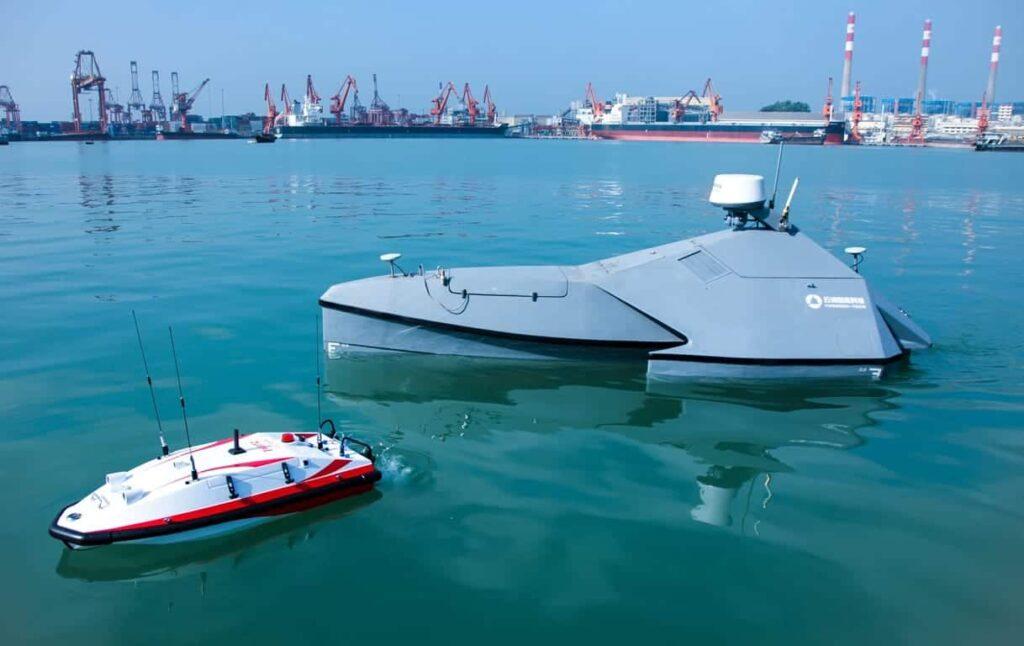
Washington, D.C., 10 June (Parliament Politics Magazine) – Sea drone rescue mission technology has gained international attention after reports emerged that an autonomous maritime vessel helped support the recovery of a U.S. helicopter crew during an emergency at sea. The incident showcased how unmanned surface vehicles are becoming an important tool for military and rescue operations, providing real-time information in situations where every second matters.
The operation has also sparked interest in the growing role of autonomous systems in maritime safety and national defense.
How the Sea Drone Helped Locate and Support the Crew
The sea drone involved in the operation was not designed to replace traditional rescue teams. Instead, it served as a support platform capable of monitoring ocean conditions, transmitting live data, and helping responders maintain awareness of the situation.
Equipped with cameras, sensors, satellite communications, and navigation technology, the vessel provided critical information to crews coordinating the recovery effort. By remaining in the area continuously, the drone helped improve visibility and communication during the mission.
“Autonomous maritime platforms are proving their value in complex rescue operations,”
said maritime technology analyst Daniel Harper.
“They can provide real-time intelligence while keeping additional personnel out of harm’s way.”
What Is a Sea Drone and How Does It Work?
A sea drone, often called an unmanned surface vessel, is a remotely operated or autonomous boat designed to travel across oceans without a crew onboard. These vessels are used for surveillance, scientific research, environmental monitoring, and military operations.
Unlike underwater drones, sea drones remain on the surface and can operate for extended periods. Many are equipped with radar systems, weather-monitoring tools, cameras, and communication equipment that allow them to send information back to command centers in real time.
The technology has become increasingly important as governments seek cost-effective ways to monitor large maritime areas.
How Sea Drones Are Changing Maritime Rescue Operations
The recent sea drone rescue mission highlights how autonomous systems can strengthen emergency response capabilities. Large sections of the world’s oceans are difficult to monitor, making rapid information gathering essential during emergencies.
“Sea drones give responders an additional set of eyes on the water,”
said defense analyst Rebecca Morgan.
“That capability can significantly improve decision-making during search-and-rescue efforts.”
Military organizations around the world are investing in autonomous vessels because they can remain operational for long periods while reducing risks to human crews.
What Happens Next
The successful use of a sea drone during the helicopter crew recovery is expected to encourage further development of autonomous maritime technology. Researchers are working on improved artificial intelligence, enhanced communication systems, and more advanced sensors that could make future rescue missions even more effective.
As these technologies continue to evolve, experts believe sea drones will become a regular part of maritime safety networks, working alongside ships, aircraft, and rescue teams.
Future of Autonomous Maritime Rescue
The recent sea drone rescue mission involving a U.S. helicopter crew demonstrates how autonomous maritime technology is reshaping modern emergency response. While traditional rescue assets remain essential, sea drones provide valuable support through real-time monitoring, communication, and situational awareness.
As investment in these systems grows, their role in future maritime rescue operations is expected to expand significantly.
Why This Sea Drone Rescue Mission Matters
The sea drone rescue mission that supported the recovery of a U.S. helicopter crew has highlighted the growing importance of autonomous maritime technology. Equipped with advanced sensors and communication tools, sea drones help responders gather information quickly and improve coordination during emergencies.
Many maritime experts expect sea drones to become a more common part of future rescue operations. As agencies invest in newer technologies, these autonomous vessels are increasingly being viewed as valuable tools for locating survivors, monitoring conditions, and supporting response teams during emergencies at sea.