BEIJING, June 13 (Parliament Politics Magazine) – China has declared it is “strongly dissatisfied” with a recent decision by the United States to include several prominent Chinese corporations on a list of companies allegedly supporting the nation’s military. The Ministry of Commerce in Beijing issued a formal statement on Saturday, condemning the action taken by the U.S. Department of Defense.
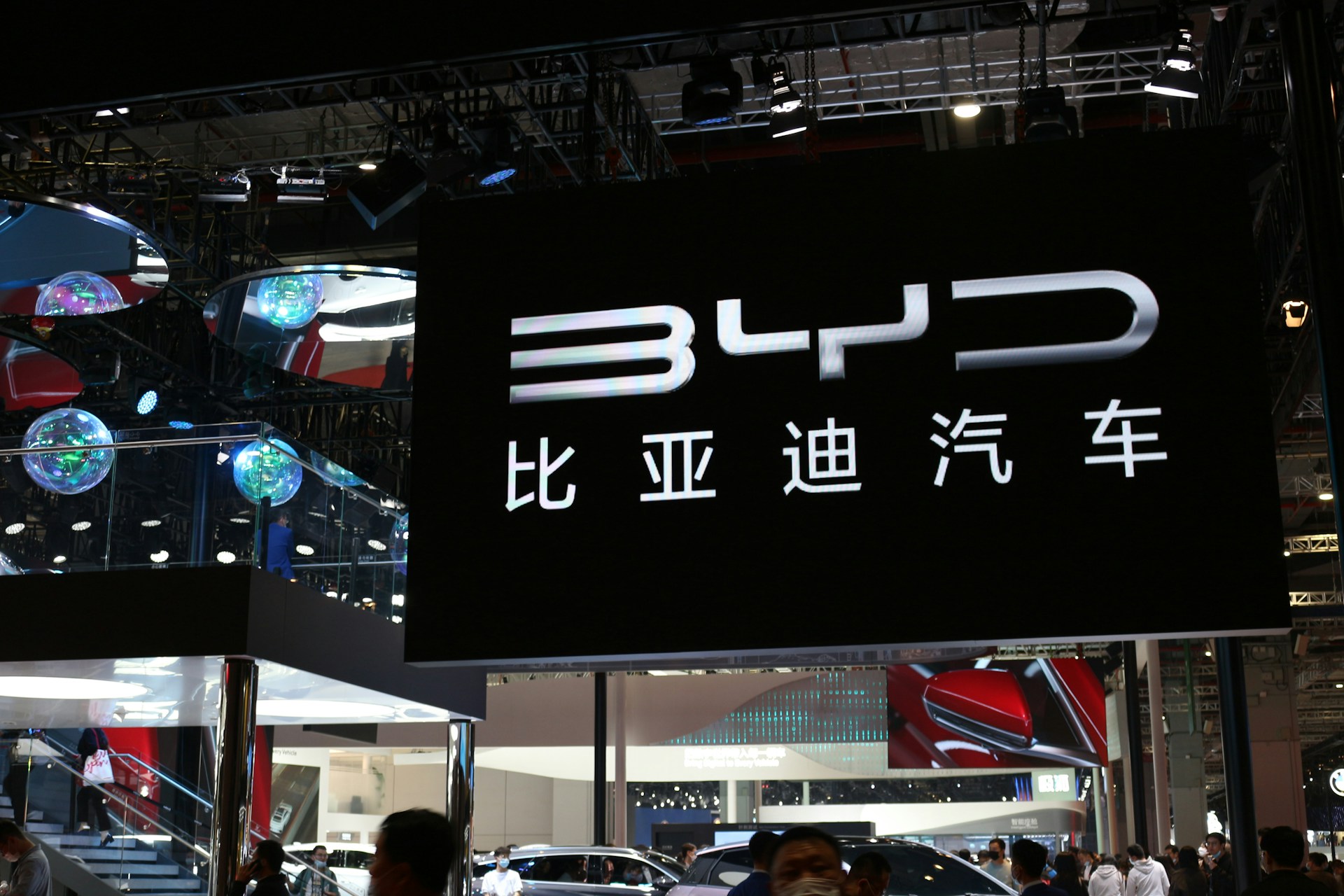
The updated roster, released on Monday, encompasses a wide range of major technology and industrial entities. Among the notable names now on the list are e-commerce titan Alibaba, internet search and artificial intelligence provider Baidu, and prominent automakers BYD and NIO. Additionally, the list includes leading solar panel manufacturers Trina Solar and JA Solar Technology.
Heightened Friction
This updated list of 188 entities supersedes previous designations and reflects ongoing security concerns held by Washington amid intensifying geopolitical competition. The move arrives just one month after U.S. President Donald Trump and Chinese President Xi Jinping met in BEIJING to maintain a fragile trade-war truce. According to the Chinese commerce ministry, this latest action by the Pentagon ignored the consensus reached between the two leaders.
“China is strongly dissatisfied and firmly opposes this,” the ministry stated.
The commerce ministry further urged the United States to immediately halt these practices, withdraw the measures, and return to building a constructive and stable relationship between the two countries. Beijing warned that it would “inevitably retaliate resolutely and forcefully” if Chinese firms continue to face what it characterizes as unfair treatment.
Navigating the Trade Blacklist
The designation of these entities as “Chinese military companies” is based on the claim that they support Beijing’s military-civil fusion strategy. Under current U.S. law, the Department of Defense is prohibited from entering into direct contracts with any of the companies featured on this list. Furthermore, starting in 2027, the Pentagon will be restricted from procuring products or services from these firms, even when utilizing third-party supply chains.
While the designation does not immediately trigger broad commercial sanctions, it serves as a significant warning to global markets. This status is expected to increase investor scrutiny and may facilitate future investment limitations.
Corporate Responses to Designation
The impacted companies have largely rejected the allegations brought forth by the U.S. government. Alibaba stated there is “no basis” for its inclusion on the list, asserting that it is not part of any military strategy. Similarly, BYD expressed firm opposition to the military label, announcing that it intends to utilize all available administrative and legal means to protect its market rights within the United States.
The implications of this move extend beyond the two primary nations. While a U.S. blacklist does not automatically apply to the United Kingdom, it creates complex pressures for British firms. Many UK businesses rely on U.S. dollar clearing systems and may face exposure to secondary sanctions if they continue to transact with these blacklisted entities. Furthermore, the inclusion of companies like BYD occurs as the firm captures significant market share in the UK electric vehicle sector.
Sector Fallout and Market Trends
Analysts noted that the blacklist acts as a red flag for institutional investors worldwide, potentially causing capital to shift away from these stocks. For example, major UK investment funds with significant holdings in companies like Tencent and Alibaba are now navigating heightened risks regarding asset values.
The move also appears to accelerate the drive toward fragmented technology infrastructure. Beijing is currently overseeing a two trillion yuan initiative aimed at expanding AI capabilities through 2030, which mandates that state data centers source at least 80% of their technology from local suppliers. Companies like Alibaba and Tencent are working to ensure their operations remain functional even in the event of a total decoupling from Western supply lines.