DAKAR, June 13 (Parliament Politics Magazine) – Civilians living under the control of militants in Mali linked to al Qaeda describe how the jihadists have become more tolerant and are trying to govern more peacefully in areas where their control is established. The militant group, known as Jama’at Nusrat al-Islam wal Muslimin (JNIM), has shifted its approach in several regions, moving away from the extreme violence that once defined its presence.
Shifting Patterns in Local Control
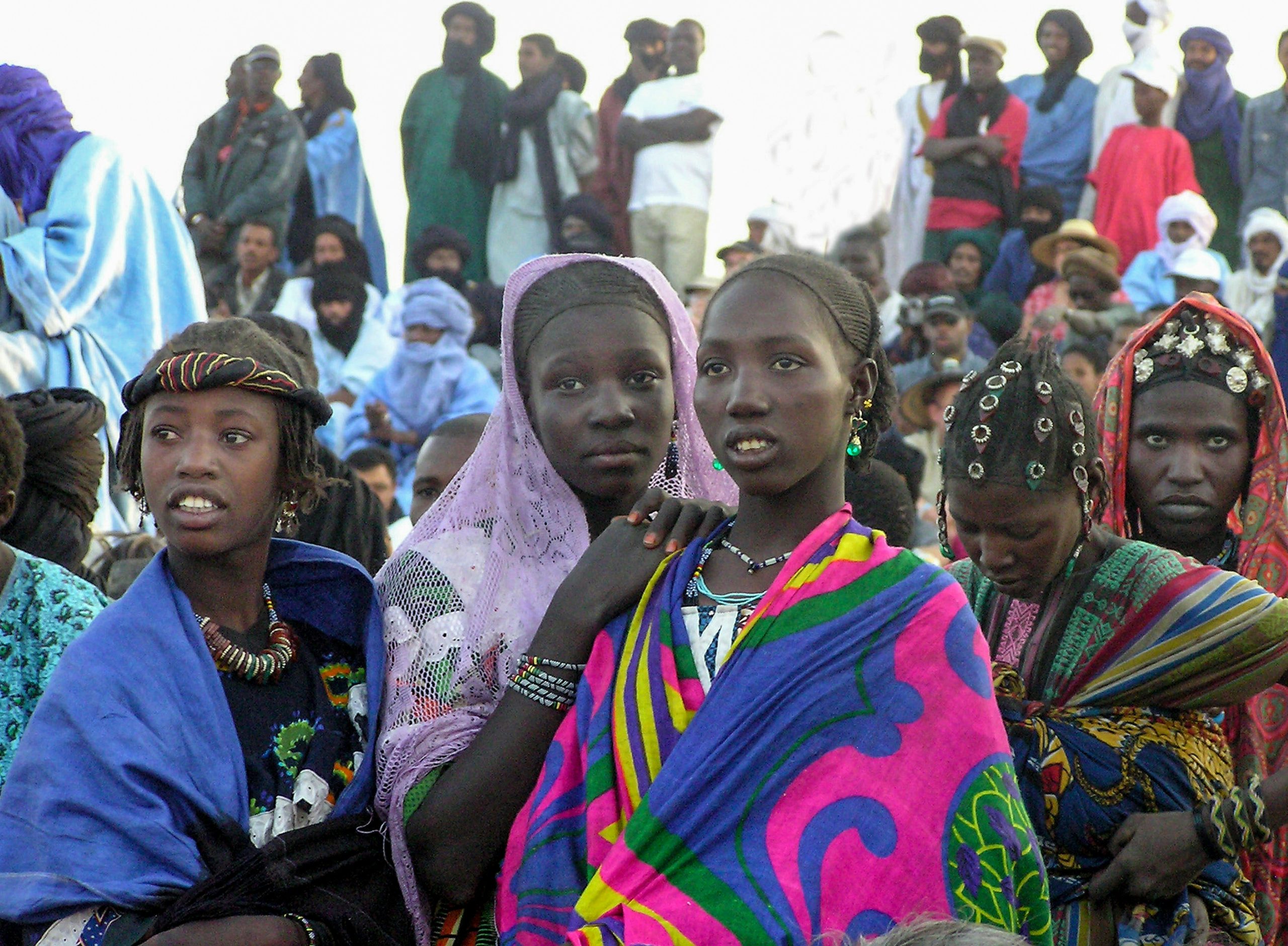
Meetings between JNIM militants and local populations have become a routine occurrence. Every few months, the jihadists summon the men of Poutchi to a mud-brick mosque to collect taxes on crops and cattle. Following these collections, the group reportedly distributes food, medicine, and animals to the local poor.
This operational shift contrasts sharply with the conditions five years ago. At that time, the same militants routinely threatened to kill anyone, including local religious leaders, who questioned their interpretation of Islamic law. Amadou, a herder living in the village by the Niger River, noted that the group no longer relies on such threats.
“Now, they don’t talk like that,” Amadou said, describing how the militants focused more on spreading their religious message without threats or violence. “The dynamic has really changed.”

Transition from Force to Administration
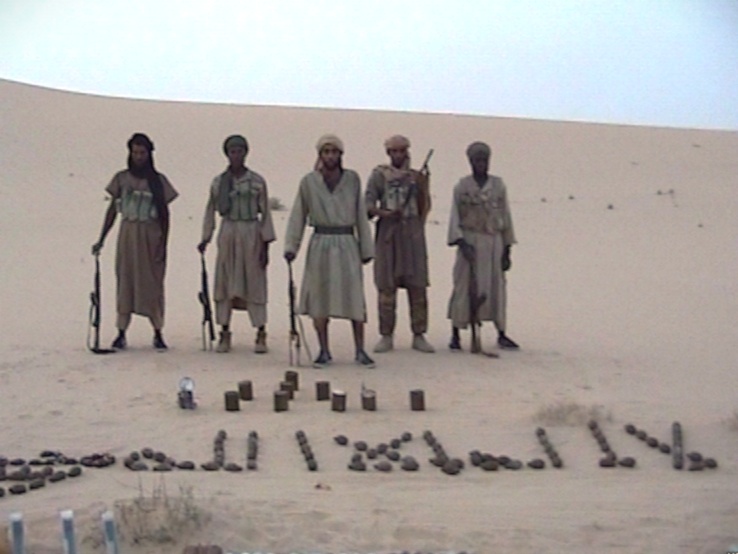
JNIM pledged allegiance to al Qaeda upon its founding in 2017. For the past decade, the group imposed its influence through fear, banning activities such as music, smoking, and wedding celebrations across the Sahel region. The group grew in strength after Malian military leaders seized power in 2020, expelled approximately 15,000 French and U.N. personnel, and invited Russian mercenaries to assist in security efforts.
Recent intelligence indicates that the group is now assuming administrative roles in its strongholds. According to seven residents living under JNIM rule in central Mali, militants are resolving long-standing land disputes between farmers and herders. Furthermore, the group is allowing aid organizations to operate and permitting some government employees to return to their villages during holidays.
Corinne Dufka, a Sahel expert who has studied the evolution of jihadists in the region for over a decade, provided insight into this behavioral change.
“The stronger they have become, the less brutal they have to be,” Dufka stated.
She added that while the group is successfully governing in some areas, residents’ compliance often serves as a necessary strategy.
Political Aspirations
The group is increasingly seeking to demonstrate that it can govern seized territories peacefully to earn political legitimacy. Bilal Ag Cherif, a veteran leader of the separatist movement who recently aligned with JNIM, observed positive developments within the group. He pointed to an increased openness toward local interpretations of Islam and rhetoric favoring a more inclusive future for the nation.
JNIM has stated that its primary objective is the removal of Russian troops and the current military government. Following high-profile attacks in April, including operations near the capital and the seizure of northern bases, the group intensified its outreach. This includes the production of media content in Bambara, a language widely spoken in the southern parts of the country, far from the traditional northern heartlands of the insurgency.
Despite these efforts to appear more moderate, the group remains involved in the conflict. In January, fighters killed 12 people during a fuel convoy attack, and in May, they were responsible for the deaths of approximately 50 people across two villages in central Mali. Additionally, in areas where they have not fully established control, the militants have enforced blockades. Residents in the village of Diafarabe reported significant casualties among the elderly and children due to a lack of food and medical supplies resulting from one such blockade.
Public Perception
The shift in militant behavior occurs against a backdrop of ongoing instability. The United Nations and various human rights organizations have documented allegations of human rights abuses committed by the Malian military and its foreign partners. According to data from the Armed Conflict Location & Event Data (ACLED) project, military forces and their allies have been linked to significantly higher numbers of civilian deaths than the jihadist insurgents over the past two years.
For many villagers who have experienced life under both the military and the militants, the predictability of JNIM rule has altered local perceptions. Some residents noted that while the group’s requirements remain strict, they are often seen as less corrupt or volatile than the government forces.
The Malian government maintains a firm stance, with Foreign Minister Abdoulaye Diop stating in May that the administration does not intend to engage in dialogue with groups they classify as lawless terrorists.