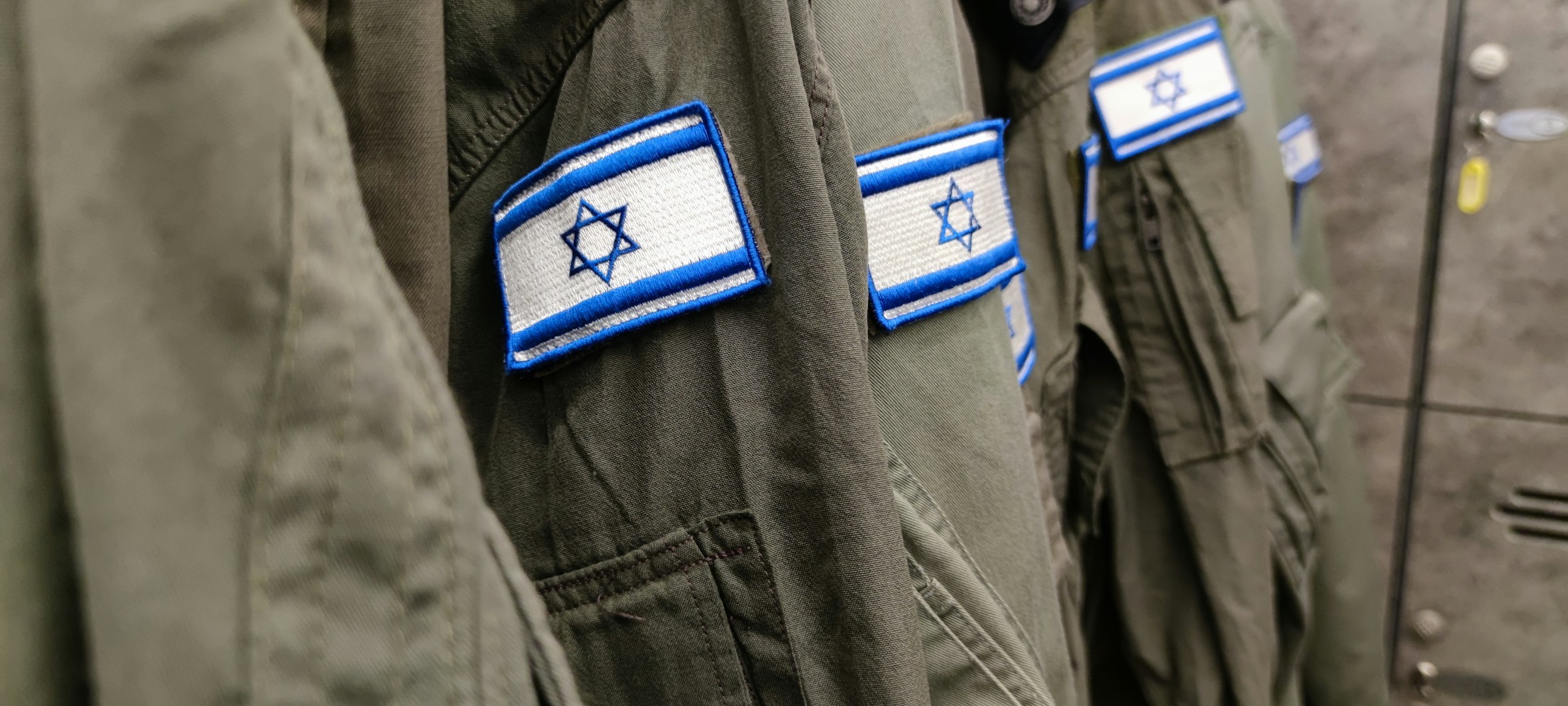
TEL AVIV, June 14 (Parliament Politics Magazine) – The Israeli military reported on Sunday that Hezbollah launched three projectiles toward northern Israeli communities, describing the attack as a blatant ceasefire violation. The projectiles landed near the border towns of Shomera and Shlomi.
This incident follows two other projectiles that crossed into Israeli territory over the preceding weekend. Simultaneously, the Israel Defense Forces identified three suspected Hezbollah drones that breached northern Israeli airspace, resulting in no reported casualties.
The cross-border activity marks a severe strain on the existing ceasefire agreement in the region. The escalation occurred shortly after the Israeli military issued mandatory displacement orders for residents living in more than two dozen towns across southern Lebanon.
Hezbollah, through its military media, claimed these operations are a response to ongoing Israeli airstrikes and drone raids hitting various districts in southern Lebanon. The group also stated that its actions included targeting Israeli military vehicles in the border area.
Domestically, Israeli officials are facing mounting pressure to respond to the breach. Finance Minister Bezalel Smotrich and National Security Minister Itamar Ben Gvir have publicly demanded swift military retaliation, including strikes targeting Hezbollah strongholds in the southern suburbs of Beirut.
The current unrest stems from a diplomatic breakdown following the collapse of a U.S.-brokered truce. Hezbollah leader Naim Qassem rejected the proposal, arguing it required a unilateral withdrawal of their fighters while Israeli forces remained in the area.
“The current cross-border escalation stems from a highly unstable diplomatic breakdown, where both sides are carrying out aggressive military actions while accusing each other of violating internationally brokered terms,” according to the official report.
The situation remains volatile as both sides continue to exchange fire, further complicating efforts to maintain a stable regional peace deal.