
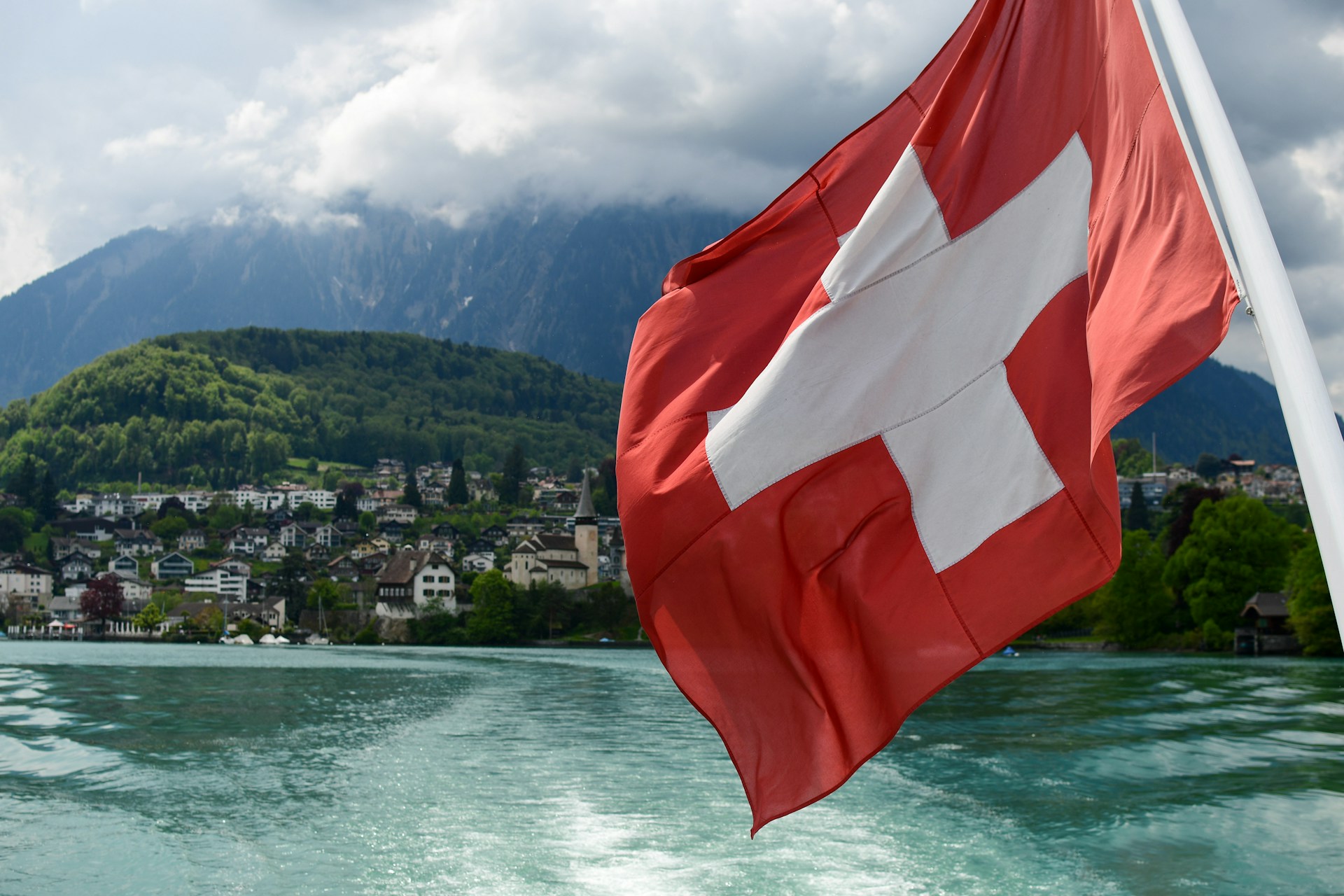
ZURICH, June 14 (Parliament Politics Magazine) – Swiss citizens cast their ballots on Sunday to determine whether the country will implement a strict cap on its total population. The referendum, which addresses concerns regarding immigration, strained public services, and housing shortages, carries significant implications for the nation’s economic stability and its long-standing bilateral relationship with the European Union.
Background of the Sustainability Initiative
The proposed constitutional change was spearheaded by the right-wing Swiss People’s Party, known as the SVP. The party’s initiative seeks to mandate that the total number of inhabitants within the country must not exceed 10 million by the year 2050. Official government projections indicate that Switzerland is currently on a trajectory to reach this threshold by the early 2040s.
This move mirrors broader political trends across Europe, where right-leaning factions are increasingly pushing for tougher restrictions on immigration. These efforts are often driven by voter anxiety regarding the rising cost of living, sluggish economic growth, and concerns over crime rates. Proponents argue that the current pace of growth is unsustainable and puts excessive pressure on national infrastructure.
Public Sentiment and Voter Perspectives
Public opinion on the matter remains finely balanced as the country waits for official results. While initial polling earlier in the cycle suggested the proposal might secure enough support to pass, a final survey conducted earlier this month indicated that momentum has shifted against the initiative.
Voter motivation varies significantly across the demographic spectrum. For some, the cap represents a necessary intervention to preserve quality of life. Helen Gulea, a 58-year-old seamstress and part-time kiosk worker in Zurich, highlighted the growing sense of urgency among residents.
“If it goes above 10 million, it will become tight, and immigration should be restricted,” she said.
Experts suggest that the debate has moved beyond traditional partisan lines. Patrick Leisibach, a migration specialist at the think-tank Avenir Suisse, observed that many citizens—including some on the political left are increasingly concerned that the nation’s public infrastructure is being stretched to its absolute limit.
Economic Stakes of the Referendum
The Swiss government and parliament have urged the electorate to reject the measure, characterizing it as a policy error that could severely damage the country’s export-oriented economy. A central concern is the potential termination of the free movement of labor agreement with the European Union. This agreement is viewed as a vital pillar for the Swiss workforce and the broader Alpine economy.
If the proposal is adopted, hitting the 10 million mark would automatically trigger a legal process that could force Switzerland to scrap its labor mobility pact with the EU. Such a move would likely complicate corporate planning and threaten access to the European single market. Recent developments, including the imposition of U.S. tariffs on Swiss goods, have already placed additional strain on the nation’s economic landscape, making the potential for further trade uncertainty a major point of contention.
Future of the Political Process
Switzerland utilizes a system of direct democracy where voters participate in national referendums four times per year. For a proposal of this magnitude to pass, it requires not only a national majority of votes but also the backing of a majority of the Swiss cantons. Even if the initiative gains approval, legal experts and officials suggest that the path to implementation remains complex.
Some provisions, including the potential termination of free movement with the EU, might necessitate further referendums as the government attempts to integrate the new law into existing legal frameworks. Despite the rhetoric surrounding the vote, even some members of the SVP have sought to moderate expectations. Heinz Taennler, an SVP politician and finance director of the canton of Zug, emphasized that the initiative is intended to serve as a policy wake-up call rather than an immediate end to all movement. He noted that there is still room for growth before the threshold is met, but insisted that the government must take proactive measures to manage future population levels.