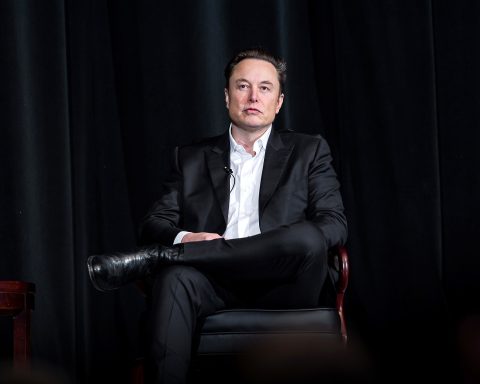

MILAN, June 16 (Parliament Politics Magazine) – Digital platform competition is becoming a major focus for regulators, technology companies, and consumers across Europe. As digital services continue to expand into everyday life, authorities are paying closer attention to how large online platforms operate and how market access is provided to businesses and consumers. The growing discussion around Digital platform competition reflects broader efforts to maintain fairness, innovation, and consumer choice within the digital economy.
European Regulators Increase Market Oversight
The debate surrounding Digital platform competition has intensified as European regulators examine whether dominant technology platforms are creating barriers that could limit competition. Officials are reviewing how digital ecosystems function and whether smaller companies can effectively compete in online marketplaces.
Recent regulatory actions demonstrate that Digital platform competition is no longer viewed solely as a technology issue. It is increasingly considered an economic and consumer protection matter that affects businesses of all sizes operating throughout Europe.
Why Technology Markets Are Under Scrutiny
The rapid growth of online services has transformed how consumers shop, communicate, store information, and access entertainment. As a result, Digital platform competition has become a central topic in policy discussions concerning the future of digital commerce.
Authorities are evaluating whether consumers have sufficient choices and whether competing businesses can enter markets without facing unnecessary restrictions. Supporters of stronger oversight argue that healthy Digital platform competition encourages innovation and benefits users through improved services and pricing.
History of Digital Market Regulation
The foundations of modern Digital platform competition oversight can be traced to earlier European competition policies that focused on telecommunications, software markets, and internet services. Over time, regulators expanded their attention to include large online platforms whose influence grew alongside the digital economy.
As technology evolved, policymakers introduced new frameworks intended to strengthen Digital platform competition and ensure that digital markets remain open to innovation. These efforts have helped shape current regulatory approaches across Europe and other global markets.
Industry Response to Regulatory Developments
Technology companies continue to emphasize the benefits of integrated digital ecosystems, arguing that they enhance security, efficiency, and user experience. At the same time, regulators maintain that Digital platform competition remains essential for encouraging innovation and preventing market concentration.
One industry observer said:
“Digital markets work best when innovation, consumer choice, and fair competition can grow together.”
The ongoing conversation illustrates the complex balance between technological advancement and maintaining effective Digital platform competition across rapidly evolving sectors.
Impact on Consumers and Businesses
The future of Digital platform competition could influence how businesses access online customers, distribute digital products, and develop new services. Consumers may also benefit from increased transparency, broader choices, and improved interoperability between competing platforms.
Experts believe that stronger Digital platform competition can contribute to a healthier digital economy while encouraging investment and innovation throughout the technology sector.
What Regulators Will Monitor Next
As regulatory reviews continue across Europe, Digital platform competition is expected to remain a major policy priority throughout 2026. Governments, businesses, and consumers are closely monitoring developments that could shape the next phase of digital market regulation.
The continued focus on Digital platform competition highlights the growing importance of ensuring that digital markets remain competitive, innovative, and accessible for all participants.